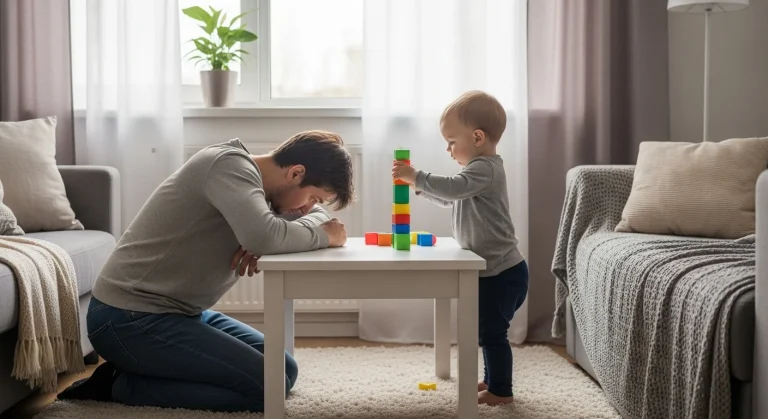
You know that slow, restless hum that comes on rainy days when the kids are home and energy is high? Those hours can feel long, especially when you’re balancing parenting and the need for quiet, calm moments. Rainy day activities for kids that are actually fun help you turn stuck-at-home hours into small wins that ease your day and theirs.
These ideas keep kids engaged without extra stress for you. They work for toddlers, preschoolers, and early elementary ages, and most are low prep for parents juggling postpartum recovery, nap schedules, or just needing a break. You’ll find playful crafts, low-mess science, cozy routines, and active challenges that build connection, curiosity, and calm. Pin a few favorites so you can pull them out the next time the rain starts tapping at the windows.
1. Living Room Fort Adventure

Build a blanket fort together and turn the living room into a tiny hideaway. Let your child choose pillows, fairy lights, and a favorite stuffed friend to bring inside. It’s a simple setup that invites imaginative play, reading, and quiet snacks. You can rest nearby while they play or join for shared storytelling. A fort creates a small world where kids set the rules, which helps focus bouncing energy into creative play.
Why This Works
- Encourages imaginative play and storytelling
- Creates a safe, cozy space that calms overstimulation
- Uses household items with no special supplies
- Offers a place for quiet bonding during postpartum or busy days
- Lets kids feel in control when weather limits outings
Quick Tips
- Keep a basket of blankets and fairy lights handy
- Use a clipboard or small lamp for a reading spot inside
- Let kids lead the fort’s theme to boost confidence
- Add a snack tray for longer play sessions
- Take photos to celebrate their creation
2. Indoor Scavenger Hunt

Create a simple scavenger hunt with picture clues for younger kids or rhyming riddles for older ones. Hide small toys, stickers, or snack tokens around safe rooms. You control difficulty and time, which helps keep the activity manageable during naps or quiet windows. Scavenger hunts turn indoor spaces into an adventure and give you a moment to prep other things while kids are happily occupied.
Why This Works
- Channels energy into purposeful movement
- Boosts problem-solving and observation skills
- Easy to adapt across ages and abilities
- Gives parents predictable start and end points
- Works well during postpartum rest blocks or busy routines
Quick Tips
- Use photos for non-readers
- Set a timer for structure and excitement
- Include a “treasure” like a sticker sheet
- Rotate items to keep it fresh
- Use clues tied to favorite characters
3. Sensory Bin Exploration
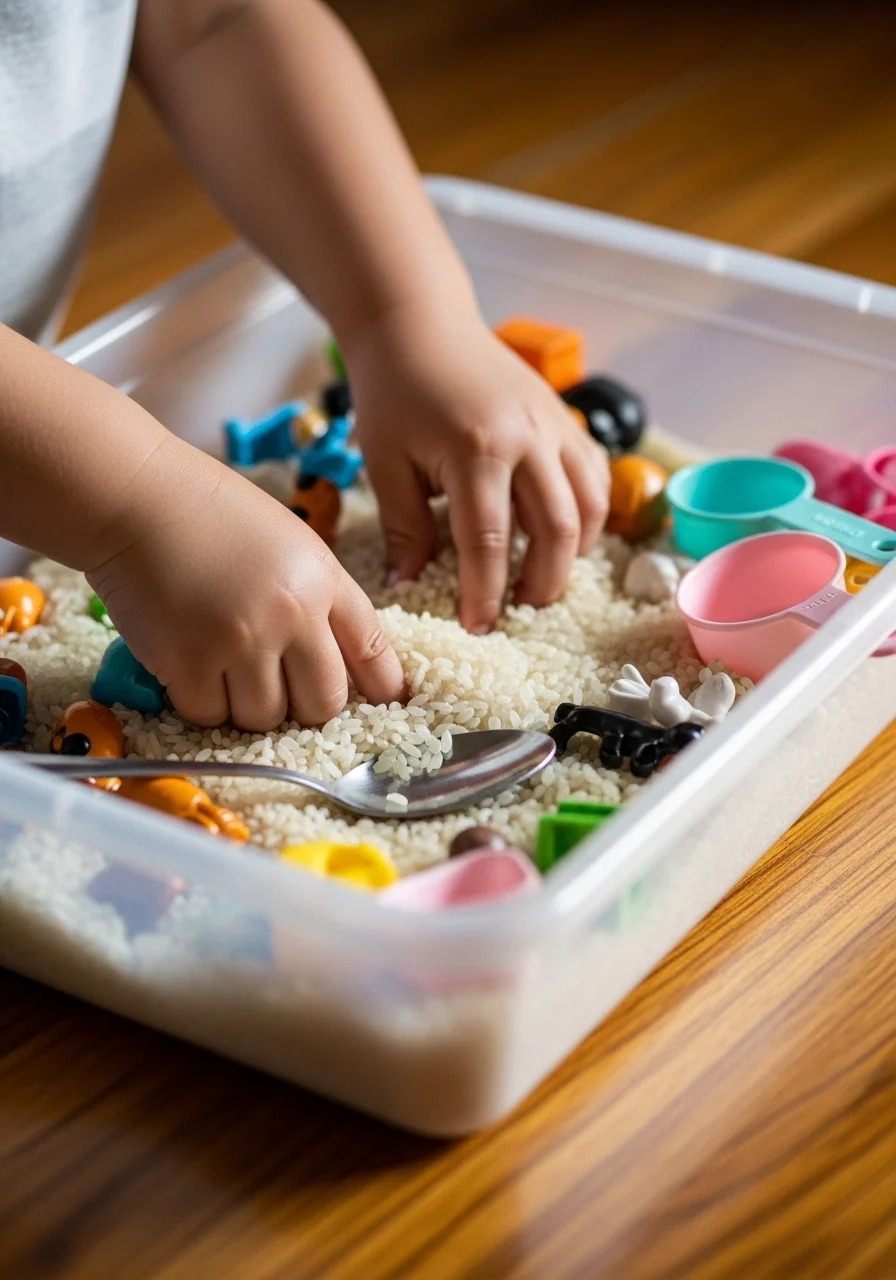
Fill a shallow bin with rice, dry pasta, or water and safe objects for digging, pouring, and sorting. Add spoons, cups, and small toys to extend play. Sensory bins keep hands and minds busy and are great for toddlers practicing fine motor skills. You can sit nearby to supervise while getting a few minutes of low-key tasks done. They’re flexible for different ages by changing textures and tools.
Why This Works
- Supports sensory processing and motor skills
- Keeps children engaged with simple materials
- Easy to tailor for newborn care-safe setups for siblings
- Provides calm, repetitive play that soothes active moods
- Low-cost, reusable activity for rainy days
Quick Tips
- Use a baking tray beneath for quick cleanup
- Swap fillers to match your child’s developmental stage
- Add themed toys for pretend play
- Limit quantity to reduce mess spread
- Supervise small pieces with young children
4. Baking Simple Cookies Together
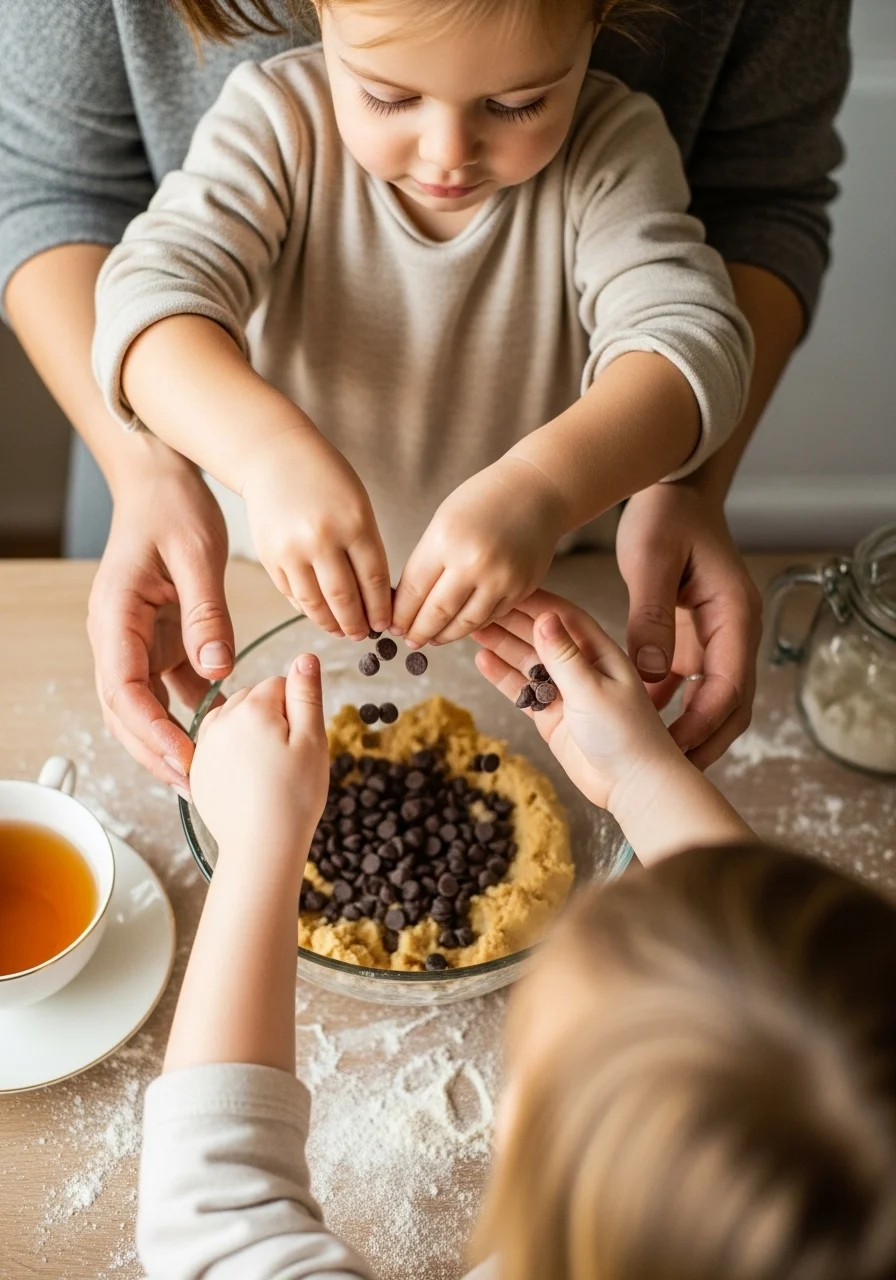
Baking simple drop cookies or muffins gives kids a tactile task and a tasty reward. Let them measure, mix, and press dough. This teaches counting, following steps, and motor skills. The kitchen smell and shared task feel comforting, and you can control mess by using one bowl and a lined tray. It’s a lovely way to bond during a rainy afternoon and offers an easy treat for everyone.
Why This Works
- Teaches counting, measuring, and sequencing
- Sensory-rich activity with a delicious outcome
- Creates a predictable routine that soothes kids
- Good for connecting during postpartum evenings when energy is limited
- Encourages patience as treats bake
Quick Tips
- Choose no-chill recipes for faster results
- Use silicone baking mats for easy cleanup
- Assign one simple task per child
- Keep a damp cloth nearby for spills
- Use cookie cutters for extra fun
5. Dance Party with Paper Streamers

Turn up kid-friendly tunes and wave paper streamer wands or scarves for a living room dance party. Dancing gets wiggles out fast and lifts moods for everyone. It’s zero-prep and gentle on parents while giving kids movement, rhythm practice, and silly time. You can add freeze-dance rules to mix in listening skills and laughter. It’s a quick reset during long indoor stretches.
Why This Works
- Releases energy and reduces fussiness
- Boosts mood through music and movement
- Easy for parents to join or supervise seated
- Builds rhythm and listening skills
- Great as a quick mood reset between activities
Quick Tips
- Make a short playlist of favorites
- Use scarves for gentle movement with toddlers
- Add a “quiet dance” round for calming down
- Keep one room clear of breakables
- Time it before snack or nap to avoid overstimulation
6. DIY Indoor Obstacle Course

Use cushions, masking tape lines, and safe furniture to build an obstacle course that challenges balance, crawling, jumping, and coordination. Adjust difficulty to match ages. Obstacle courses let kids burn energy while practicing gross motor skills and following simple rules. You can time runs for a playful challenge or cheer from the sidelines if you’re resting. It’s a flexible idea for any rainy day.
Why This Works
- Develops coordination and body awareness
- Helps kids crowd out pent-up energy
- Adaptable to small spaces and different ages
- Lets you rest while kids play actively
- Encourages turn-taking and friendly competition
Quick Tips
- Use painter’s tape for safe floor markers
- Keep courses short for younger children
- Include a “calm station” at the end
- Reuse household items like broom handles for balance beams
- Time runs for added excitement
7. Puppet Show Storytime

Make sock puppets and act out a favorite story or make up a new one. Puppets make storytelling active and silly, which pulls in reluctant listeners. Kids practice language, turn-taking, and dramatic play. You can lead the first round and then let them take over, which builds confidence. Puppetry is low-mess and keeps little hands busy while you supervise from the sofa.
Why This Works
- Promotes language and imaginative play
- Builds confidence through performance
- Low-prep and portable around the house
- Supports bonding with shared laughter and storytelling
- Works for short attention spans and quiet moments
Quick Tips
- Use felt scraps, buttons, or markers for faces
- Keep stories short and repeat favorite lines
- Film a mini-performance for family sharing
- Swap puppet roles to practice social skills
- Use gentle lighting for a “stage” feel
8. Mess-Free Painting with Ziplock Bags

Squeeze small amounts of washable paint into a zip-top bag, seal it, and tape it flat for a mess-free painting experience. Kids press and swirl colors to create patterns without the cleanup. This is perfect during postpartum days when you want creative play with minimal mess. It builds fine motor control and color exploration and keeps little artists entertained for stretches.
Why This Works
- Offers creative play with zero-cleanup
- Safe for younger children with supervision
- Builds hand strength and color recognition
- Easy to set up during low-energy parenting days
- Reusable if sealed and stored carefully
Quick Tips
- Tape bags securely to the table
- Use small paint amounts to reduce risk of leaks
- Let kids trace shapes on the bag with fingers
- Replace when paint dries up for fresh fun
- Pair with story prompts for added imagination
9. Kitchen Science Experiments

Try simple kitchen experiments like baking soda volcanoes, rainbow milk with dish soap, or sink-or-float tests using household items. Science experiments spark curiosity and teach cause and effect. They’re short, exciting, and offer clear results that keep kids engaged. You can prep experiments while tending to newborn care or use them as a focused activity that builds observational language and confidence.
Why This Works
- Encourages curiosity and scientific thinking
- Produces quick, visible results that wow kids
- Uses common household items for easy setup
- Supports learning language like predict, observe, and compare
- Works well for short, exciting attention spans
Quick Tips
- Keep experiments simple and predictable
- Use trays for easy cleanup
- Explain steps in child-friendly terms
- Reuse common materials across experiments
- Supervise closely with small children
10. At-Home Movie Night with Tickets
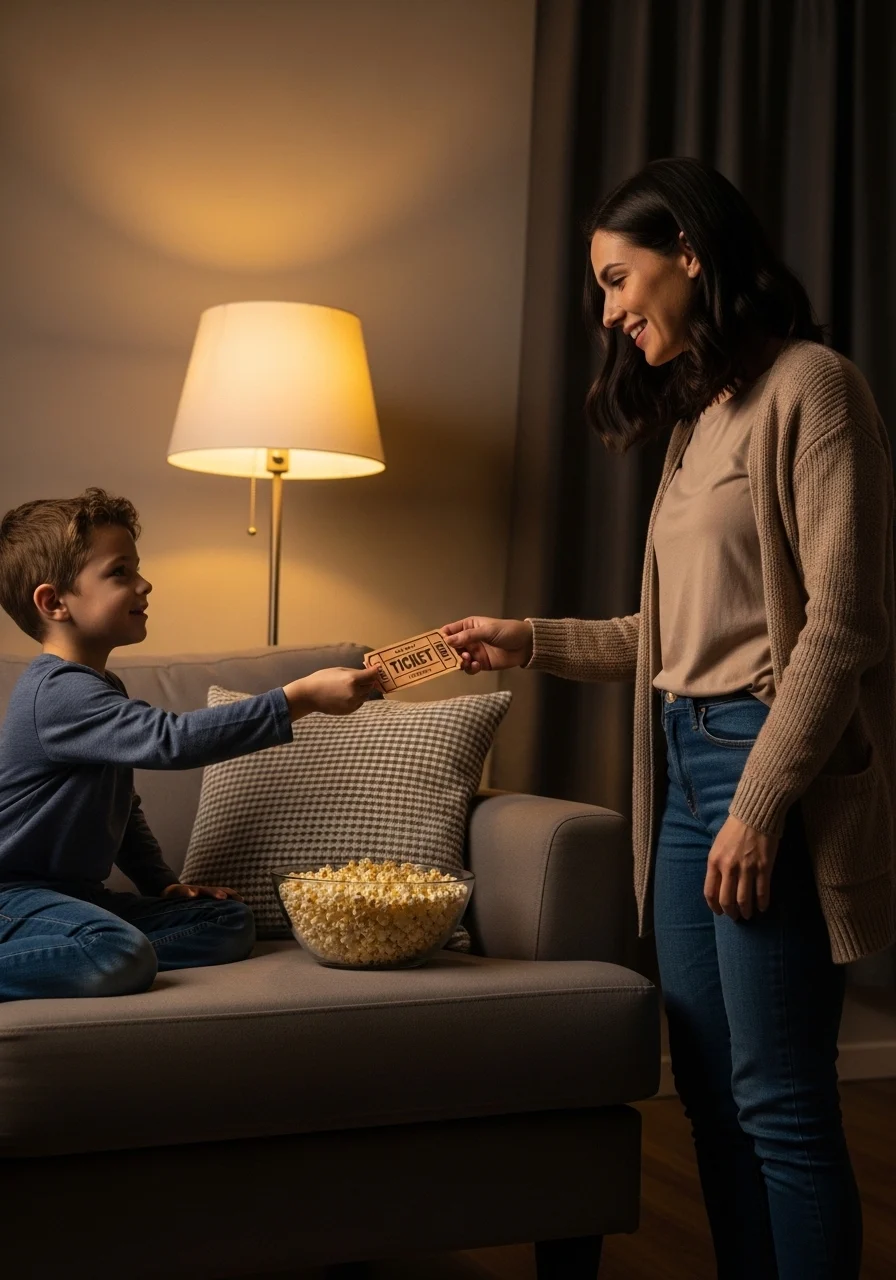
Create a movie night with homemade tickets, dim lights, and a cozy blanket fort. Let kids pick a short film or animated special. Offer popcorn and a quiet, cuddly space. This feels special without leaving home and helps wind everyone down. Movie nights can be a gentle postpartum treat and an easy way to share a calm evening after a rainy day.
Why This Works
- Creates a special ritual that calms and bonds
- Requires minimal energy from you once set up
- Offers shared quiet time after active play
- Makes screen time feel intentional and limited
- Great for ending a long indoor day positively
Quick Tips
- Keep the movie short for younger kids
- Use dim lighting and cozy blankets for hygge vibes
- Offer quiet activities during credits for early sleepers
- Rotate who chooses the next movie
- Provide small, measured snacks
11. Cozy Reading Nook and Story Swap

Set up a cozy reading nook with pillows, a soft light, and a stack of favorite books. Take turns choosing stories and swapping roles as narrator and listener. Story swaps encourage language skills and give you gentle, screen-free connection time. Nooks are easy to maintain and perfect for quiet post-nap periods or when you need a calm corner during postpartum days.
Why This Works
- Strengthens language and listening skills
- Creates predictable, calming routines
- Encourages one-on-one bonding with minimal setup
- Fits into quiet windows of the day
- Helps establish a love of books early on
Quick Tips
- Keep books reachable in a basket
- Swap story roles for interactive reading
- Use a small lamp for evening coziness
- Pair with soft sensory items for younger kids
- Rotate books weekly to keep interest
12. Board Game Marathon with Snacks

Choose age-appropriate board or card games and host a marathon with short rounds and snack breaks. Games teach rules, patience, and turn-taking. Keep rounds brief to match attention spans and celebrate small wins. Board games are great for rainy day bonding and are gentle on parents who want seated activities that still build skills and connection.
Why This Works
- Builds social skills like patience and fairness
- Teaches following rules and strategy in small steps
- Provides predictable structure during indoor days
- Easy for postpartum parents to join from a chair
- Offers a mix of calm and gentle competition
Quick Tips
- Choose 10 to 15 minute games for younger kids
- Keep a snack tray to avoid interruptions
- Use simple house rules for fairness
- Rotate who picks the next game
- Celebrate small victories to build confidence
13. Indoor Picnic on a Blanket

Lay a blanket on the floor and have an indoor picnic with finger foods and cups of warm cocoa or milk. Change up the menu with themed sandwiches or character-shaped fruits. Picnics make mealtime playful and break the routine without much prep. They’re soothing for kids and give you a chance to sit together and chat while staying comfortable during rainy afternoons.
Why This Works
- Makes routine meals unexpectedly fun
- Encourages conversation and slowing down
- Easy to set up with simple snacks
- Good for low-energy parenting moments
- Creates a memorable indoor outing feel
Quick Tips
- Use easy, bite-size snacks
- Bring a small basket for toys or books
- Keep cleanup simple with wipes and a tray
- Add a simple game like “I spy” during eating
- Limit messy foods to reduce post-picnic work
14. Treasure Map and Hidden Loot

Draw a simple treasure map with landmarks from your home and let kids follow it to find small prizes or stickers. Maps promote spatial reasoning and imaginative play. You can tailor difficulty and hide treats that match your child’s age. Treasure hunts turn rainy rooms into exploration zones and give you easy control over timing and rewards.
Why This Works
- Encourages spatial thinking and planning
- Turns indoor spaces into imaginative landscapes
- Flexible for various ages and abilities
- Provides small wins that boost confidence
- Great for guided play during postpartum rest times
Quick Tips
- Use picture icons for pre-readers
- Keep clues short and clear
- Hide rewards in plain sight for quick success
- Change maps weekly to keep it fresh
- Use a small treasure chest for repeat use
15. Sock Puppet Theater

Create sock puppets and put on a short show. Kids can design characters, practice voices, and perform for a parent or sibling. Puppet theater sparks creativity and storytelling while giving you quiet time to watch or catch up on small tasks. It’s portable and perfect for short bursts of imaginative play on grey days.
Why This Works
- Boosts creativity and expressive language
- Encourages role-play and social skills
- Low-prep and highly engaging for many ages
- Lets you supervise from a comfortable spot
- Builds narrative thinking through play
Quick Tips
- Keep a box of craft supplies for quick puppet-making
- Limit shows to 5 to 10 minutes for younger kids
- Record performances for family memories
- Rotate puppet characters for variety
- Use simple prompts to guide storylines
16. Bubble Bath Play Date for Toddlers

Turn bath time into playful learning with toys, cups for pouring, and gentle bubbles. Bath play helps toddlers explore cause and effect, motor control, and sensory experiences. It’s an easy, contained activity that provides both fun and a calming wind-down. Baths can be soothing for you too, offering a chance to supervise without constant cleanup.
Why This Works
- Combines play with calming sensory input
- Supports motor development and coordination
- Contained activity reduces cleanup stress
- Soothes children toward bedtime or quiet time
- Good option for busy or tired parents
Quick Tips
- Keep water warm and shallow for safety
- Use bath crayons for creative play
- Bring a snack and towel within reach
- Supervise closely at all times
- Use a timer to keep bath periods predictable
17. Playdough Bakery or Pizza Shop

Offer playdough and small cookie cutters, rolling pins, and buttons for toppings to create bakery treats or pizza slices. This encourages fine motor skills and imaginative role-play. You can set up a pretend shop where kids “sell” treats to family members. It’s tactile, calming, and low-stress for parents who want seated activities while overseeing play.
Why This Works
- Strengthens hand muscles and creativity
- Encourages role-play and social interaction
- Low-prep with reusable materials
- Helps kids focus through tactile play
- Works well during postpartum recovery when you need seated tasks
Quick Tips
- Store playdough in airtight containers
- Use baking trays for display and cleanup
- Add themed tools like cookie cutters or tiny boxes
- Keep sessions short to prevent boredom
- Rotate colors and scents for novelty
18. Indoor Planting or Herb Kit

Start a tiny indoor herb garden with seeds, soil, and small pots. Kids can learn about growth, responsibility, and patience as they water and watch sprouts appear. This is a calm, educational activity that you can check together each day. Herbs are practical too for cooking, offering multi-sensory learning and a long-term project to return to after the rain.
Why This Works
- Teaches caregiving and scientific observation
- Provides a continuing project beyond a single day
- Encourages patience and responsibility
- Connects kids to food and nature indoors
- Easy for parents to supervise without heavy lifting
Quick Tips
- Choose fast-growing herbs like basil or chives
- Use labeled popsicle sticks for tracking seeds
- Keep pots on a sunny windowsill
- Let children help with watering routine
- Use small starter kits for simpler setup
19. Giant Cardboard Box Creations

Turn a large cardboard box into a rocket, house, or car with markers, stickers, and safe scissors. Boxes invite open-ended play and construction, and kids love the tactile feel of decorating their own space. This project can keep them busy for stretches and gives them a place to retreat for quiet time. It’s budget-friendly and sparks big imaginations on small rainy days.
Why This Works
- Encourages creativity and construction play
- Provides a special hideaway for calming moments
- Low-cost and easy to recycle afterward
- Promotes fine motor and planning skills
- Lets kids lead imaginative scenarios
Quick Tips
- Pre-cut doors and windows for safety
- Keep markers and stickers in a craft caddy
- Use reinforced tape on seams
- Turn boxes into rotating themes across days
- Add pillows inside for a cozy retreat
20. Calm Down Corner with Sensory Bottles

Create a calm down corner with sensory bottles, soft cushions, and a small selection of quiet toys. Sensory bottles made with water, oil, and glitter or rice provide visual focus for upset moments. A calm corner teaches children self-soothing strategies and gives you a structured place to guide emotions during busy days. It’s helpful for toddlers and preschoolers learning big feelings.
Why This Works
- Teaches self-regulation with visual calming tools
- Provides a predictable space for emotional resets
- Simple setup that supports caregiver routines
- Useful during transitions or overstimulation on rainy days
- Supports parenting strategies for emotional development
Quick Tips
- Make unbreakable bottles and seal lids with glue
- Keep a small timer to set gentle limits
- Include a favorite soft item for comfort
- Model using the corner when you’re calm
- Rotate calming items to keep interest
21. Family Yoga and Stretch Session

Try a short family yoga or stretch session with kid-friendly poses and soft music. Yoga helps children develop balance, focus, and mindful breathing. It’s a gentle way to connect and release pent-up energy without chaotic noise. You can do seated stretches if you’re recovering from postpartum or need lighter movement. Family yoga becomes a calming ritual for rainy afternoons and bedtime prep.
Why This Works
- Builds body awareness and calm breathing skills
- Strengthens flexibility and balance safely
- Creates a gentle bonding routine for the whole family
- Easy to adapt for low-energy parents
- Helps transition from active play to quiet time
Quick Tips
- Keep sessions to 5 to 15 minutes
- Use animal names for kid-friendly cues
- Include deep breaths between poses
- Join on the mat to model moves
- Use online kid yoga for guided routines
Rainy day activities for kids that are actually fun don’t have to be complicated or high-maintenance. These 21 easy ideas give you options for active play, cozy bonding, calm routines, and quick creative wins. Pin a few favorites so you can pull them out next time the weather keeps you inside. Most require everyday materials and can be shortened or extended to match naps, toddler energy, or postpartum recovery needs. Which activity will you try first on your next rainy afternoon?