
You are carrying a lot right now. Between pregnancy appointments, newborn care, postpartum recovery, or juggling toddlers, your mind can feel crowded and tired. Mental health check-in ideas can help you pause, notice how you really feel, and make small choices that ease stress. These moments matter because this season shapes how you parent, rest, and heal.
This list collects simple mental health check-in ideas created for real motherhood life. Each idea fits into a busy morning feeding, a nap window, or a quiet evening. Try a few that match your day and keep them handy as gentle routines. You will find practical ways to reset your mind, notice your emotions, and reconnect with your body and baby.
1. One-Minute Breath Scan

A one-minute breath scan grounds you fast when sleep is short or your plate is full. Sit or stand comfortably and take slow inhales and exhales while noticing where you feel the breath. This is safe during pregnancy and helpful at any postpartum moment. It brings focus without taking time from feeding or caring for little ones.
Why This Works
- Calms overwhelm quickly
- Regulates your nervous system
- Fits into a feeding or diaper change window
- Helps you return to present parenting moments
Quick Tips
- Set a one-minute timer on your phone
- Breathe in for four, out for five if that feels right
- Place a hand on your belly during pregnancy
- Try it before bedtime to settle your mind
- Repeat three times during a stressful stretch
2. Simple Mood Check Journal

Keep a tiny journal by your bedside or changing station to jot one sentence about how you feel. It can be as simple as a word or a face drawing. Tracking mood after pregnancy, during newborn care, or in postpartum recovery helps you spot patterns and share clearer updates with your partner or clinician.
Why This Works
- Creates a quick emotional record
- Helps you spot triggers or improvements
- Makes talking with providers easier
- Reduces the burden of holding everything in your head
Quick Tips
- Use a 3×5 card or sticky note
- Write morning and evening if possible
- Keep one prompt like How am I right now
- Share entries with a trusted friend if you want
- Store notes in a folder for future reference
3. Body Check and Gentle Stretch

Scan from your toes to your head, noticing tension spots, then do gentle stretches you can do while baby is safe. Pregnancy and postpartum bodies hold a lot. This practice reconnects you to your physical cues and can ease back or pelvic floor discomfort without long exercise sessions.
Why This Works
- Brings awareness to physical stress
- Releases built-up tension from holding or feeding
- Supports postpartum recovery gently
- Improves circulation and mood
Quick Tips
- Include toe wiggling, pelvic tilts, neck rolls
- Breathe with each stretch
- Use a nursing pillow for support
- Keep stretches under five minutes
- Pause if you feel pain and consult your provider
4. Sensory Grounding Moment

Name five things you can see, four you can touch, three you can hear, two you can smell, and one thing you can taste. This sensory check calms panic and brings you back to the present. It works while feeding, during newborn care, or anytime you feel scattered between baby care tasks.
Why This Works
- Quickly lowers anxiety
- Anchors you to the present environment
- Easy to do while multitasking with baby
- Teaches your nervous system a calming response
Quick Tips
- Use the technique during a fussy period
- Whisper the list if you do not want to wake baby
- Practice daily for stronger benefit
- Combine with slow breathing
- Keep sensory prompts simple and real
5. Gratitude Micro-List

Write three small things you are grateful for in one minute. They can be tiny wins like a warm bath, a good diaper change, or a moment of giggles. Gratitude during pregnancy, postpartum recovery, or parenting does not erase hard feelings but helps your brain notice positives alongside the challenges.
Why This Works
- Shifts focus from stress to small joys
- Boosts positive mood without pressure
- Supports resilience during sleep-deprived stages
- Easy to share with a partner to build connection
Quick Tips
- Keep a jar for grateful notes
- Try morning or bedtime entries
- Include baby milestones once a week
- Use sticky notes on the fridge
- Read the list when you need a lift
6. Hydration and Nourishment Pause

Check in on your hydration and whether you’ve eaten in the last few hours. Low blood sugar or dehydration can mimic anxiety or fatigue, especially during breastfeeding or postpartum recovery. A simple snack and water often reset your mood and energy more than another scrolling break.
Why This Works
- Restores energy and cognitive clarity
- Supports breastfeeding and physical recovery
- Reduces irritability tied to hunger
- Quick and concrete self-care action
Quick Tips
- Keep a water bottle in easy reach
- Pack simple snacks in your diaper bag
- Choose protein and healthy fats for lasting energy
- Set small reminders on your phone
- Keep breastfeeding snacks near the nursing chair
7. Micro Walk Outside

Step outside for five to ten minutes, even if it is just to the porch. Fresh air, a change of scenery, and light movement help clear your head during pregnancy or when newborn care feels overwhelming. You can push the stroller or cradle the baby close while you breathe and look at the sky.
Why This Works
- Boosts mood with light movement and sunlight
- Provides a brief separation from indoor routine
- Gentle exercise supports postpartum recovery
- Creates small pockets of calm in your day
Quick Tips
- Keep comfortable shoes by the door
- Use a baby carrier for hands-free walks
- Aim for morning light when possible
- Bring a friend for company sometimes
- Take a single focused breath at the start and end
8. Quick Digital Detox

Turn off social media and mute notifications for 20 minutes. Comparing yourself online can spike anxiety during fertility struggles, pregnancy, or postpartum recovery. A short digital detox reduces noise and helps you reengage with your own feelings and your family.
Why This Works
- Reduces comparison triggers
- Lowers cognitive load and distraction
- Helps you be more present during feeding or play
- Makes room for calm rituals or rest
Quick Tips
- Use a focus mode or Do Not Disturb
- Replace scrolling with a cup of tea
- Try a detox during a nap cycle
- Let a partner know your plan for support
- Start with short windows and grow them
9. Set One Tiny Goal
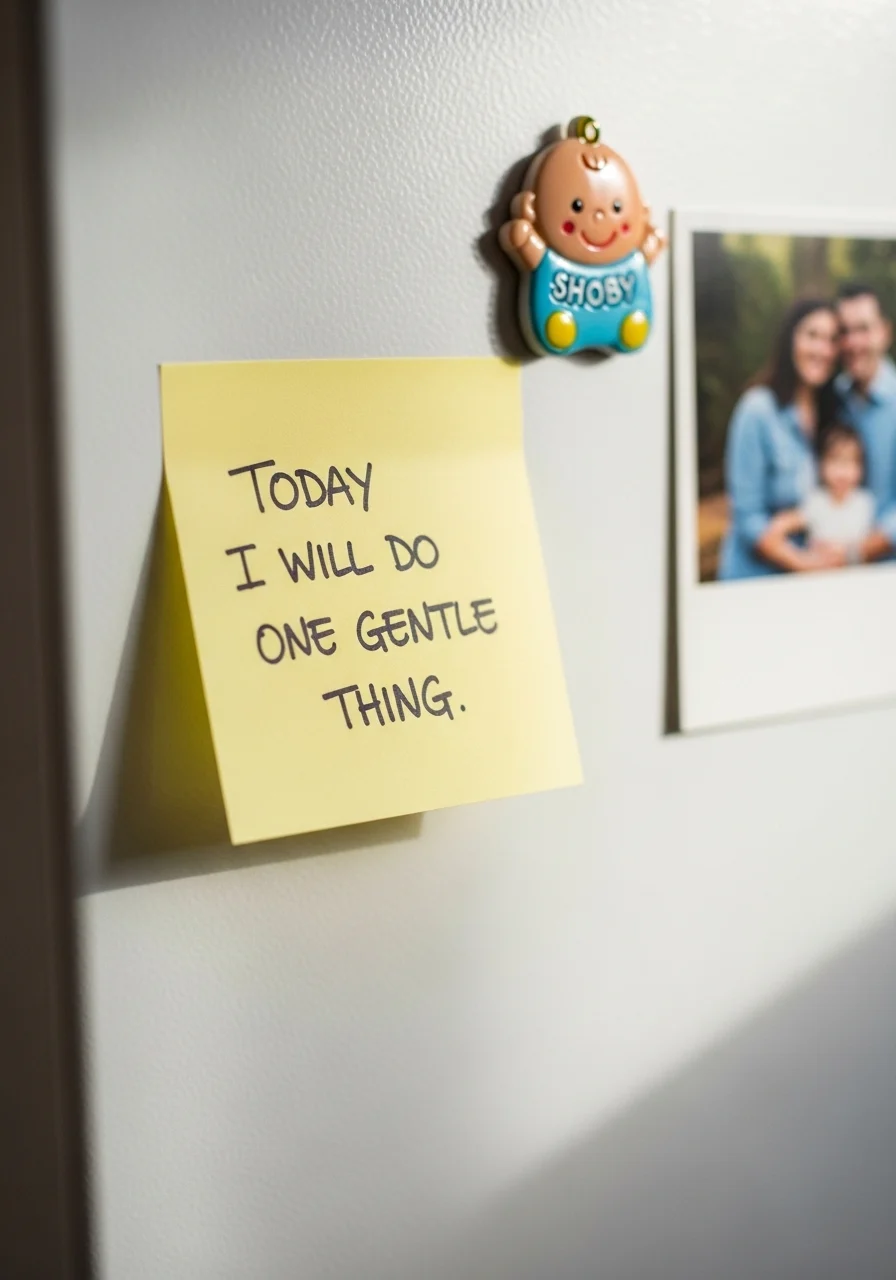
Choose one small achievable goal for the day such as showering, folding a load of laundry, or reading one page. Break big to-do lists into tiny wins that matter in pregnancy, postpartum recovery, or parenting life. Checking one thing off can lift your mood and reduce overwhelm.
Why This Works
- Creates achievable momentum
- Lowers stress from large to-do lists
- Validates small acts during busy parenting stages
- Builds a steady sense of capability
Quick Tips
- Keep goals realistic and short
- Celebrate the completion briefly
- Share the goal with a partner for accountability
- Use a timer for focused effort
- Repeat small goals each day
10. Call or Text a Support Person

Reach out to one trusted friend or family member and share a short honest line about how you feel. Saying a worry out loud helps in pregnancy and postpartum recovery. You may just need to be heard or to ask for a simple favor like a meal or a walk together.
Why This Works
- Reduces isolation and shame
- Brings practical help into reach
- Lets you offload thoughts instead of holding them
- Strengthens your support network over time
Quick Tips
- Keep a contact list for different needs
- Try voice notes if typing is hard
- Ask for a specific favor when needed
- Schedule regular short check-ins
- Be honest about one small thing, not everything
11. Label and Name Feelings

Name the emotion you feel without judging it. Say I feel tired, or I feel overwhelmed, or I feel hopeful. Labeling feelings during fertility struggles, pregnancy anxiety, or late-night feeding can reduce their intensity. It helps you respond kindly to yourself and decide what you need next.
Why This Works
- Makes emotions more manageable
- Increases self-compassion during tough moments
- Helps you identify actionable next steps
- Teaches children by example when they are old enough
Quick Tips
- Use simple words like tired, sad, angry, glad
- Say the word aloud or write it down
- Follow labeling with one small action
- Avoid punishing self-talk afterward
- Teach toddlers to name big feelings too
12. Quick Movement Burst

Do 30 seconds of gentle movement such as marching in place or light squats. Physical activity releases endorphins and can shift your mental state without a long workout. This is accessible during pregnancy with modifications and can fit into newborn care or toddler playtime.
Why This Works
- Releases built-in mood-supporting chemicals
- Reconnects you to your body safely
- Short bursts are easier to fit into busy days
- Can boost energy when fatigue drags you down
Quick Tips
- Check with your provider for limits in pregnancy
- Use a baby carrier for easy movement
- Keep to 30 to 60 seconds for a reset
- Pair with deep breaths between bursts
- Make it playful with a toddler nearby
13. Soothing Sound or Music Break

Play a familiar calming playlist or 60 seconds of nature sounds. Sound can shift your mood faster than you think, and music that feels nurturing helps during nighttime feedings or while soothing a fussy baby. Use playlists for pregnancy relaxation or for postpartum moments when you need comfort.
Why This Works
- Alters mood and reduces stress
- Provides a predictable calming cue for you and baby
- Easy to access during feeding or rocking
- Helps create a soothing routine
Quick Tips
- Create short playlists for different needs
- Keep headphones handy for privacy
- Use lullabies to soothe baby and calm you
- Try nature sounds for grounding
- Match tempo to the mood you want
14. Check Sleep Debt Gently

Note how much sleep you’ve had in the last 24 to 48 hours and consider one small adjustment like a 20-minute nap or an earlier bedtime tonight. Sleep affects mood, decision-making, and your postpartum recovery. Even tiny recovery steps improve how you feel and parent.
Why This Works
- Highlights a key driver of mood and patience
- Supports safer and clearer thinking
- Encourages manageable sleep adjustments
- Protects postpartum healing and energy
Quick Tips
- Prioritize short naps if possible
- Trade night duties with a partner occasionally
- Keep naps to 20 to 40 minutes to avoid grogginess
- Create a quiet, dark sleep spot
- Avoid heavy screens right before planned sleep
15. Vocal Release or Sigh

Give yourself permission to exhale audibly or let out a short softly spoken release. A meaningful sigh resets the nervous system and signals your body that it is safe to relax. It is a simple check-in you can do while holding newborns or during pregnancy when tension builds.
Why This Works
- Offers immediate physical release
- Signals safety to your nervous system
- Quick and private way to manage stress
- Helps reduce muscle tension from holding or breastfeeding
Quick Tips
- Try three long sighs with breaths in between
- Pair sighs with shoulder drops
- Do it seated if you are very tired
- Use before bedtime or after difficult feeds
- Teach a partner this cue so they can support you
16. Reconnect with a Loving Memory

Recall one gentle memory that makes you smile, like your partner’s first silly face with baby or a tender prenatal moment. Revisiting calm memories during fertility treatment stress, pregnancy anxiety, or postpartum fog can gently reset your emotions and remind you of what matters.
Why This Works
- Redirects attention to positive emotional anchors
- Lowers stress hormones briefly
- Reinforces feelings of love and safety
- Gives perspective when the day feels heavy
Quick Tips
- Keep a small photo album or playlist of meaningful moments
- Pause for one minute to savor the memory
- Share the memory with your partner for connection
- Use as a bedtime comfort routine
- Limit to three memories if you feel overwhelmed
17. Plan One Soothing Evening Ritual

Decide on one simple bedtime ritual you can rely on, such as a warm bath, herbal tea, or a five-minute quiet read. Predictable evening routines support postpartum recovery, improve sleep quality, and give your mind a cue to unwind. Start with something realistic for your current parenting stage.
Why This Works
- Builds a calming predictability into your day
- Signals to your body it is time to rest
- Supports better sleep in the long run
- Creates a gentle ending for busy caregiving days
Quick Tips
- Keep rituals short and realistic
- Avoid screens for 30 minutes before bed
- Use dim lighting and soft sounds
- Ask for help with baby for a consistent routine
- Adjust as your child’s sleep needs change
You now have 17 practical mental health check-in ideas tailored for motherhood, pregnancy, newborn care, postpartum recovery, and parenting life. These small practices fit into real days and do not require big time commitments. Save or pin this list for nap times, waiting room breaks, or late nights when you need a quick reset. Try one or two that feel doable and notice how tiny changes can steady your mood and help you care for yourself and your family. Which idea feels easiest to try today?