You are carrying a lot right now. Between sleepless nights, body changes, and new responsibilities, your mind can feel crowded and fragile. Mental Health Awareness Ideas That Actually Help are practical, small shifts you can try when overwhelm shows up.
This stage of motherhood matters because how you feel affects your recovery and your bond with your baby. These mental health awareness ideas that actually help focus on gentle habits you can fit into busy days. They support postpartum recovery, newborn care rhythms, and parenting tips that protect your wellbeing.
Read this list and pick a few ideas that feel doable. Each one is written for real life, not perfection. You’ll find ways to calm your nervous system, ask for help, and build routines that make parenting feel steadier.
1. Mini Breathing Breaks Between Feeds

Give yourself 60 seconds of focused breathing between feeds or diaper changes. Sit or lean back, inhale for four counts, hold one, exhale for six. Repeat three times. These mini breathing breaks reset your nervous system, lower tension, and create tiny pockets of calm in a busy day. They’re easy to slip in and can help reduce anxiety and increase patience with your baby and yourself.
Why This Works
- Calms the body quickly
- Lowers stress hormones
- Fits into short gaps between baby tasks
- Improves focus and emotional regulation
Quick Tips
- Set a gentle phone timer for 60 seconds
- Practice while baby is latched or settled
- Pair with soft music or silence
- Try on waking or before bed
- Breathe through the nose for better effect
2. Weekly Postpartum Check-In Routine

Schedule one short weekly check-in with your partner or a trusted friend. Talk about sleep, moods, breastfeeding, and baby routines. Keep it honest and low-pressure. This routine creates shared awareness, reduces isolation, and helps you name stress before it grows. It also makes asking for practical help easier, which supports postpartum recovery and mental wellbeing.
Why This Works
- Builds consistent emotional support
- Encourages practical problem solving
- Reduces feelings of isolation
- Strengthens partner teamwork
Quick Tips
- Keep it under 20 minutes
- Use prompts like mood, sleep, wins, needs
- Rotate who leads the check-in
- Schedule it on a calm day and keep it regular
- Bring notes if you forget topics
3. Peer Support Group for New Parents

Join a local or online parent support group where members share wins and struggles. Hearing others’ stories reminds you you’re not alone. Groups offer practical tips for newborn care, breastfeeding, and sleep that are grounded in daily life. They also create friendships that can become reliable support during difficult postpartum days.
Why This Works
- Normalizes common worries
- Shares practical parenting tips
- Creates a sense of belonging
- Offers immediate emotional empathy
Quick Tips
- Try a few groups to find a good fit
- Attend when you can, not when you must
- Bring a short list of questions or topics
- Ask about group rules for confidentiality
- Consider both in-person and virtual options
4. Short Therapy Sessions Focused on Parenting

Book short, regular therapy sessions focused on early parenthood. You don’t need long-term commitment to get tools for mood, anxiety, or sleep-related stress. Therapy helps you process identity shifts, grief, and expectations that come with a new baby. It also gives concrete coping strategies you can use during breastfeeding or midnight wake-ups.
Why This Works
- Provides tailored emotional tools
- Validates your experience
- Offers coping strategies for daily triggers
- Supports longer-term mental health recovery
Quick Tips
- Ask about therapist experience with postpartum issues
- Try telehealth for convenience
- Prepare brief notes about your week
- Use secure messaging between sessions if offered
- Ask for coping tools you can practice at home
5. Consistent Sleep Hygiene for Parents

Create a simple sleep routine for the times you can control. Darken the room, silence notifications, and avoid screen brightness before rest. Even short naps follow similar rules. Better sleep patterns ease mood swings, improve concentration for newborn care, and speed postpartum recovery. Small consistent steps make a noticeable difference over weeks.
Why This Works
- Improves mood and patience
- Supports hormonal balance in postpartum recovery
- Increases daytime energy for parenting tasks
- Reduces cognitive fog
Quick Tips
- Nap when the baby naps when possible
- Limit caffeine after midday
- Keep the bedroom cool and dark
- Use blackout curtains for daytime naps
- Share night duties when safe and possible
6. Gentle Movement Every Other Day

Move your body gently most days, even 10 to 20 minutes. Walks, pelvic floor exercises, or short yoga help mood and physical healing. Movement eases postpartum recovery, reduces anxiety, and gives a break from constant caregiving. You don’t have to exercise hard. Regular gentle activity helps you feel more like yourself.
Why This Works
- Releases mood-stabilizing endorphins
- Supports physical recovery after birth
- Reduces tension and fatigue
- Improves sleep quality
Quick Tips
- Start with short, light walks
- Include pelvic floor and core rehab exercises
- Use a baby carrier for walks when comfortable
- Try guided postpartum classes online
- Be patient with your body’s pace
7. Babywearing for Comfort and Bonding

Use a safe baby carrier for short stretches to hold your baby close while freeing your hands. Skin-to-skin and steady movement calm both of you. Babywearing eases fussiness, increases bonding, and gives you small windows to rest or complete tasks. It can be a soothing mental health tool when you feel overwhelmed.
Why This Works
- Increases bonding and comfort
- Reduces crying and fussiness
- Frees hands while keeping baby close
- Supports maternal confidence and calm
Quick Tips
- Choose a carrier with good support
- Practice at home before outings
- Check baby’s airway and temperature
- Use it while doing gentle tasks
- Take breaks to change positions
8. Feeding Support and Education
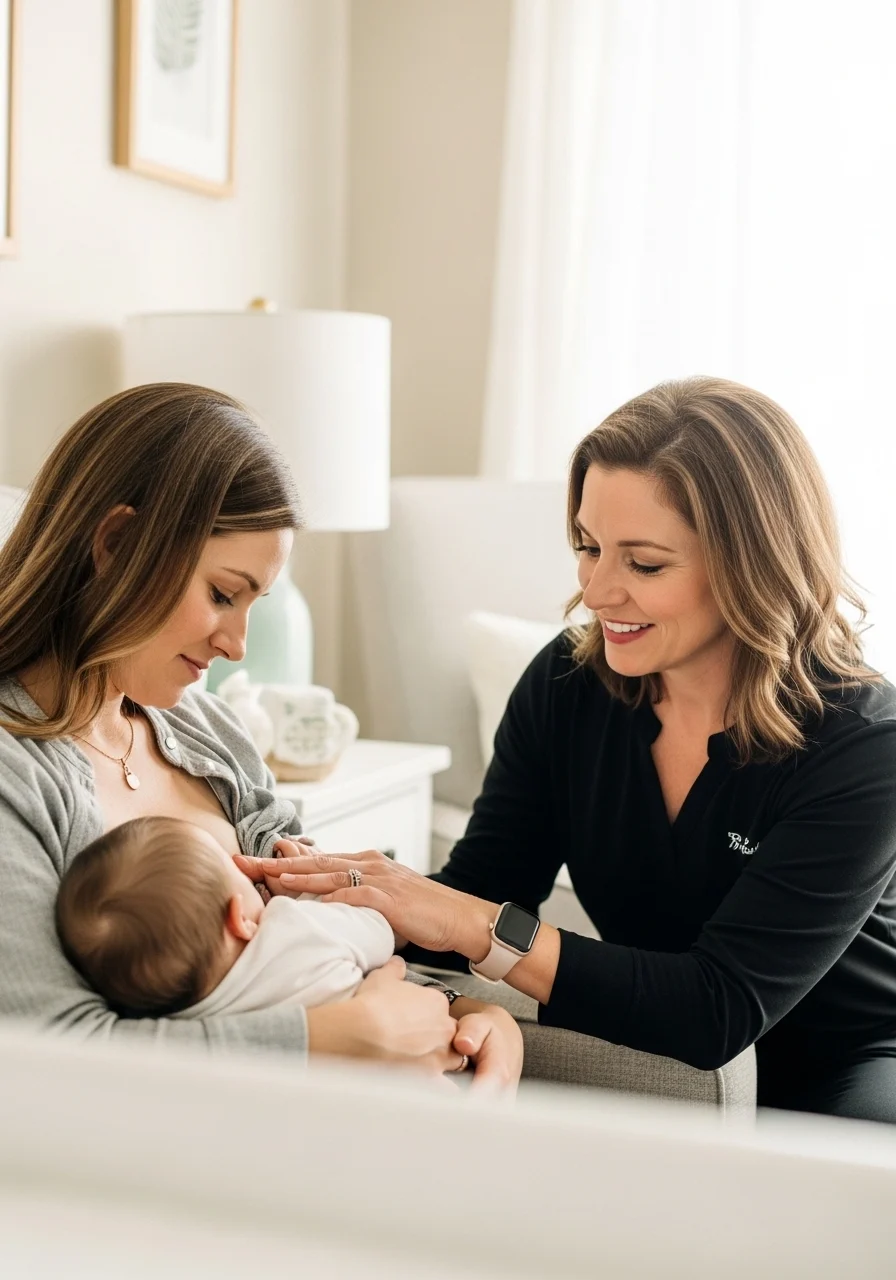
Seek practical feeding support if you’re breastfeeding or bottle feeding. A lactation consultant or feeding class can solve latch issues, reduce pain, and improve confidence. Feeding successes reduce stress and support bonding. Getting timely help prevents feeding struggles from becoming long-term anxiety triggers.
Why This Works
- Solves immediate feeding pain points
- Boosts confidence in newborn care
- Reduces stress during feeding times
- Improves baby’s comfort and routine
Quick Tips
- Book early if you have concerns
- Bring feeding photos or short videos to appointments
- Ask about local peer counselors
- Practice different holds and positions
- Keep simple feeding logs for patterns
9. Expressive Journaling for Emotions

Spend 10 minutes writing about your day, feelings, and any small wins. Journaling helps you process fear, grief, and joy. It also makes patterns clear so you can seek help when needed. Writing is private and portable, and it helps create a record of the early postpartum months you can look back on.
Why This Works
- Helps process complex emotions
- Reveals mood patterns and triggers
- Creates a private, safe outlet
- Strengthens self-awareness
Quick Tips
- Set a short daily time limit
- Use prompts like what surprised me today
- Keep notes about sleep and mood
- Try voice notes if writing feels hard
- Revisit entries when you need perspective
10. Simple Gratitude Rituals

Each evening name three small things you’re grateful for. Say them aloud or jot them down. Gratitude shifts attention toward positive moments without denying hard feelings. It can help reduce negative rumination and increase emotional resilience during postpartum recovery and early parenting.
Why This Works
- Shifts focus from worry to small positives
- Lowers repetitive negative thoughts
- Fits into bedtime routines easily
- Creates hopeful anchors during hard days
Quick Tips
- Keep a gratitude jar or notebook
- Make it a family ritual when possible
- Include both big and tiny moments
- Combine with a short breathing practice
- Re-read entries on tough days
11. Short Nature Walks with Baby

Step outside for brief walks in green spaces. Fresh air and natural light support mood and circadian rhythm. Nature walks give perspective, gentle exercise, and a break from indoor pressures of newborn care. They also offer predictable, low-stimulation outings when you need calm.
Why This Works
- Boosts mood through sunlight exposure
- Encourages gentle movement
- Offers mental space and perspective
- Reduces cabin fever and isolation
Quick Tips
- Aim for 10 to 30 minutes if possible
- Dress baby appropriately for weather
- Choose quiet paths for low stimulation
- Bring a small snack and water
- Use a stroller or carrier that feels comfortable
12. Sensory Calm Kit for Overwhelming Moments

Create a small kit with items that soothe your senses: a warm eye mask, calming scent, weighted lap blanket, or fidget. Use it during a short break or while baby naps. A sensory calm kit gives immediate tools to self-soothe when feelings surge. It’s practical for postpartum recovery and quick emotional regulation.
Why This Works
- Offers immediate sensory relief
- Gives a physical reminder to pause
- Helps manage anxiety spikes
- Easy to customize to your preferences
Quick Tips
- Keep it within arm’s reach
- Use a scent you find comforting
- Include items that don’t require long setup
- Rotate items to find what helps most
- Use during breastfeeding breaks if helpful
13. Night Help Schedule with Partner or Family

Create a realistic night help plan that fits your feeding method. Even small, regular blocks of uninterrupted sleep can ease mood and improve recovery. Sharing night duties reduces sleep deprivation and its impact on parenting. Clear expectations about roles lower tension and prevent resentment.
Why This Works
- Protects limited sleep windows
- Reduces exhaustion-related irritability
- Encourages shared responsibility
- Supports postpartum recovery
Quick Tips
- Decide on a clear rotation or tasks
- Prepare bottles or supplies in advance
- Agree on wake-up signals and limits
- Revisit the plan weekly and adjust
- Consider safe sleep options for baby sharing
14. Clear Visitor Boundaries and Scripts

Set simple, polite boundaries for visitors and house help. Practice short phrases that protect your energy. Clear limits reduce stress and help you prioritize postpartum recovery, breastfeeding schedules, and rest. Boundaries also make social visits feel manageable rather than overwhelming.
Why This Works
- Preserves mental and physical energy
- Reduces stress from unexpected demands
- Supports predictable routines for baby care
- Helps you say yes to help and no to extra tasks
Quick Tips
- Prepare one-liner scripts for guests
- Ask for help with specific tasks like meals
- Set visiting hours and length
- Use a shared calendar for drop-offs
- Thank guests for support and be direct about needs
15. Daily Digital Detox Windows

Pick two short windows each day to silence notifications and step away from social media. Digital detox windows reduce comparison and information overload. They help you focus on newborn care, postpartum recovery, and real-life bonding moments. Small regular breaks restore your attention and calm.
Why This Works
- Reduces comparison and anxiety triggers
- Improves presence with your baby
- Lowers constant stimulation
- Supports better sleep when screens are off at night
Quick Tips
- Use do-not-disturb schedules on your phone
- Announce your quiet times to close contacts
- Replace screen time with reading or gentle music
- Start with 15 minutes and increase if helpful
- Use a visible timer to stay accountable
16. Light Therapy for Low Moods

If you experience seasonal or postpartum low mood, try short sessions with a bright light box. Consult your provider first. Light therapy can help regulate circadian rhythms and lift mood when used safely. It’s a noninvasive option that complements other postpartum mental health strategies.
Why This Works
- Regulates sleep-wake cycles
- Can reduce symptoms of low mood
- Easy to integrate into morning routines
- Noninvasive and quick per session
Quick Tips
- Talk to your healthcare provider first
- Use recommended distance and duration
- Combine with morning walks for best effect
- Keep sessions consistent daily
- Monitor mood changes and report concerns
17. Simple Meal Prep for Better Nutrition
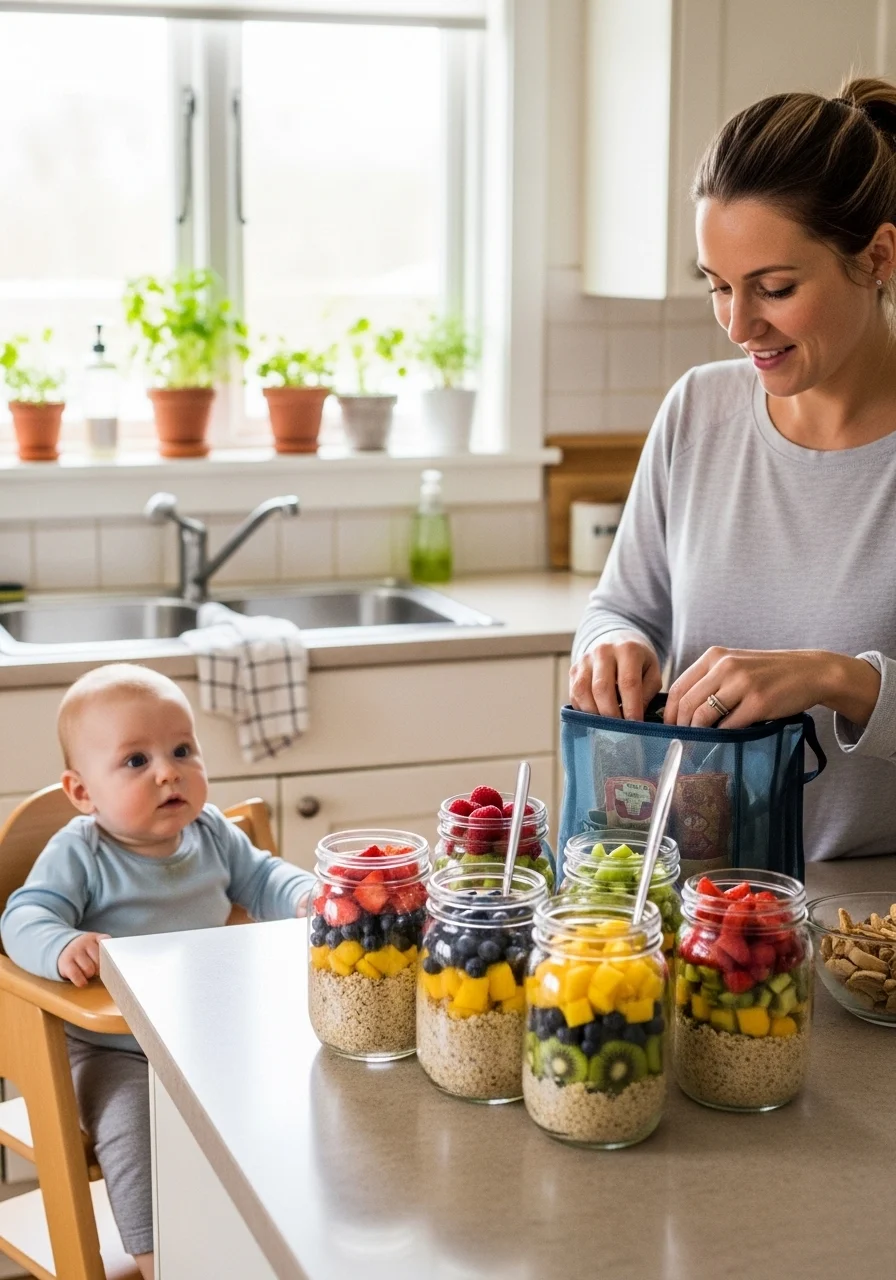
Prep easy, nutrient-dense meals and snacks to keep your energy steady. Quick options like overnight oats, chopped veggies, and protein boxes help during busy feeding times. Good nutrition supports postpartum recovery, mood regulation, and breastfeeding energy demands. Small planning helps you avoid skipping meals.
Why This Works
- Prevents energy crashes
- Supports hormonal recovery and breastfeeding
- Reduces stress about meal planning
- Makes it easier to eat consistently
Quick Tips
- Batch-cook on one day each week
- Keep grab-and-go snacks visible
- Use simple recipes with few ingredients
- Ask for meal deliveries or help from loved ones
- Include protein and healthy fats in snacks
18. Creative Outlets for Emotional Release

Make time for a small creative activity like drawing, knitting, or scrapbooking. Creative outlets give your mind another language for emotions. They can be soothing during postpartum recovery and provide a sense of identity beyond parenting. Creativity lowers stress and helps you express what words do not.
Why This Works
- Provides nonverbal emotional release
- Reconnects you with personal interests
- Offers short, achievable tasks
- Reduces rumination by focusing attention
Quick Tips
- Keep materials accessible for short bursts
- Choose projects that can pause easily
- Try audio-guided crafts or classes
- Share your work with a friend for encouragement
- Use craft time as a mindful break
19. Soothing Music and Lullaby Rituals

Use gentle music or lullabies as a calming ritual during soothing or sleep routines. Music helps regulate emotions for both you and your baby. A predictable auditory cue signals rest time and can reduce nighttime distress. It also becomes a comforting postpartum routine you both learn to trust.
Why This Works
- Calms both parent and baby
- Creates predictable sleep cues
- Eases transitions between activities
- Strengthens emotional connection
Quick Tips
- Build a short playlist of calming songs
- Use the same sequence at nap and bedtime
- Keep volume low and steady
- Sing live when you can for extra bonding
- Try white noise for fussy evenings
20. Partner Communication Checklist

Create a simple checklist you and your partner share daily. Include sleep, feeding, mood, and one small need from each person. This reduces misunderstandings and keeps postpartum recovery coordinated. Clear communication prevents build-up of resentment and helps both of you contribute to parenting tasks.
Why This Works
- Clarifies expectations and needs
- Encourages shared responsibility
- Reduces miscommunication stress
- Promotes teamwork in caregiving
Quick Tips
- Keep the checklist visible on a board
- Rotate tasks and responsibilities weekly
- Use quick emojis or short words for speed
- Include self-care time blocks for each partner
- Review the checklist briefly each evening
21. Medication and Provider Conversations

If you’re considering medication for mood, have a frank discussion with your provider. Ask about breastfeeding compatibility and side effects. Medication can be part of a balanced plan for postpartum recovery. Discussing options openly helps you choose what aligns with your needs and lifestyle without stigma.
Why This Works
- Provides informed choices for treatment
- Ensures safe breastfeeding guidance
- Reduces worry by clarifying benefits and risks
- Integrates medical care into mental health plans
Quick Tips
- Prepare questions beforehand
- Ask about non-pharmacologic complements
- Request follow-up appointments to monitor effects
- Bring a partner for support if helpful
- Keep a mood log to inform decisions
22. Pelvic Floor and Gentle Rehab Work

Include pelvic floor and core rehab in your recovery plan. Gentle guided exercises help restore strength and reduce discomfort. Physical healing supports confidence and eases anxiety related to body changes after birth. Working with a postpartum physiotherapist can make exercises safe and effective.
Why This Works
- Speeds physical recovery after birth
- Reduces pain and discomfort
- Improves body confidence and mobility
- Supports easier return to daily activities
Quick Tips
- Ask for a referral to a pelvic therapist
- Start slow and follow professional guidance
- Use cues like breath to engage muscles correctly
- Combine with light movement and rest days
- Track progress in small measurable steps
23. Milestone Logging and Small Wins Journal

Track small milestones and wins in a simple notebook. Note baby’s firsts and your personal achievements. A wins journal helps counterbalance tough days and shows progress in postpartum recovery and parenting. Reviewing entries can boost mood and remind you of growth during challenging times.
Why This Works
- Highlights progress that might be overlooked
- Counters negative self-talk with evidence
- Creates a keepsake of early parenting days
- Encourages reflection and gratitude
Quick Tips
- Write one win per day or week
- Include photos or short voice notes
- Share milestones with close family if you like
- Use prompts like what surprised me today
- Keep the journal where you can easily access it
24. Mindful Parenting Moments

Pause for short mindful interactions during feeding or play. Put away distractions, focus on your child’s face, and name what you both feel. Mindful parenting strengthens connection and reduces reactive responses when you’re stressed. These moments make everyday care feel more meaningful and calming.
Why This Works
- Enhances parent-child bonding
- Lowers stress during transitions
- Teaches you to respond rather than react
- Builds emotional attunement
Quick Tips
- Keep interactions short and present
- Use simple verbal reflections like I see you’re upset
- Practice one mindful minute daily
- Combine with breathing for extra calm
- Notice small details like a smile or tiny hand
25. Schedule Small Play and Rest Windows

Plan short blocks for both active play and rest each day. Schedule a 20-minute play window and a 15-minute rest window if possible. Predictable pockets of rest protect your energy and make parenting time feel manageable. Balanced rhythms support emotional wellbeing and practical newborn care.
Why This Works
- Protects brief restorative time for you
- Sets clear expectations for child engagement
- Reduces burnout by structuring the day
- Improves quality of interactions during play
Quick Tips
- Use timers to make windows feel doable
- Rotate toys to keep play fresh
- Ask for help during your rest window
- Combine rest with gentle breathing or a nap
- Adjust windows to fit baby’s rhythms
You now have 25 practical, real-life mental health awareness ideas that actually help during early parenthood. These suggestions support postpartum recovery, newborn care, and everyday parenting in small, doable ways. Save or pin this list so you can return to a few ideas when days feel heavy. Try one new habit each week rather than all at once. Which idea feels most possible for you to try this week?