
Introduction
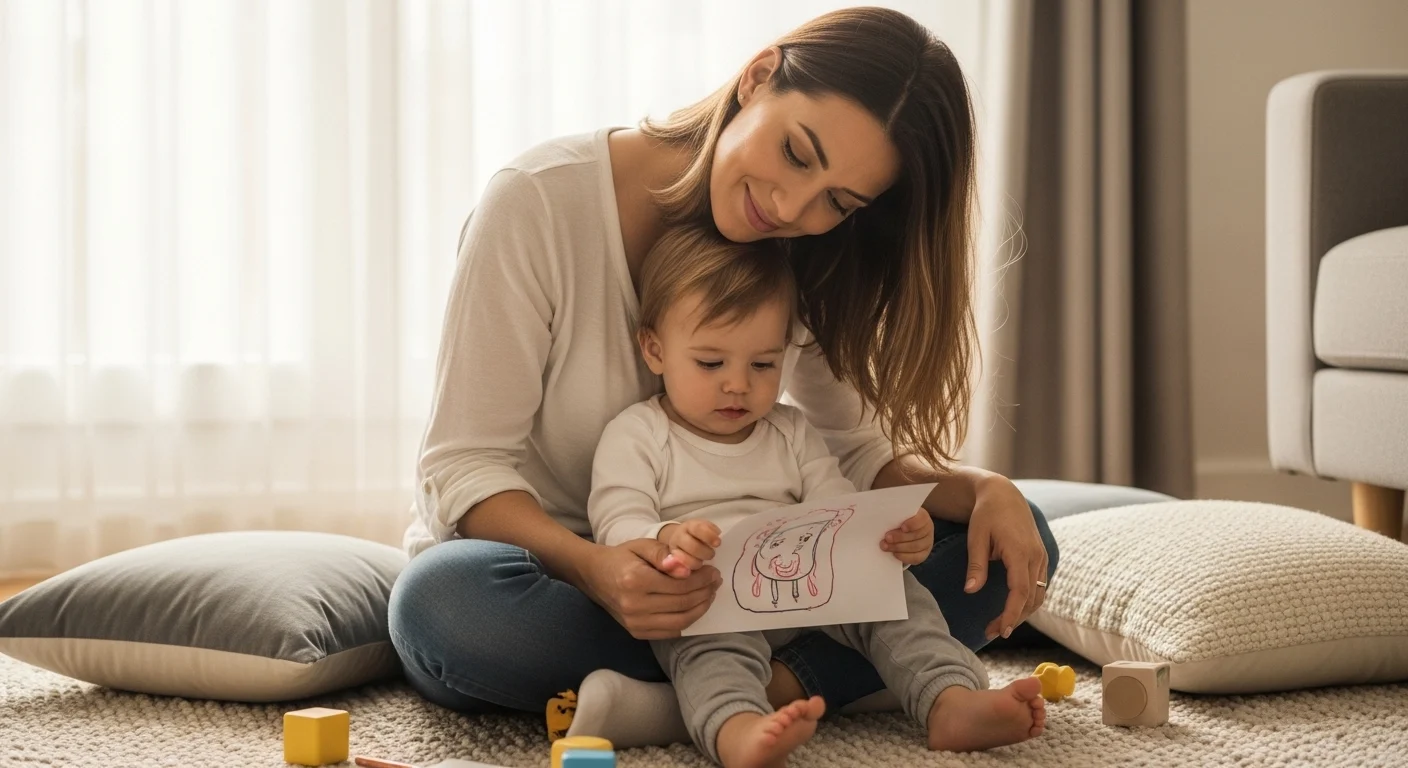
Some days with a toddler feel like a blur of emotions, meltdowns, and tiny triumphs. You want tools that calm, connect, and build emotional skills without adding pressure. These Mental Health Activity Ideas for Toddlers are simple ways to support your child’s feelings and your own sanity during busy parenting seasons.
I picked activities that fit real life—quick moments at home, quiet downtime between errands, and gentle play before bed. You’ll find playful breathing games, sensory setups, story prompts, and movement breaks that help with emotional regulation, bonding, and early social skills. Try a few that match your day and keep them handy for when emotions run high.
Use these mental health activity ideas for toddlers as gentle routines you can repeat. They’re meant to be practical, comforting, and doable even on tired days.
1. Cozy Calm-Down Corner
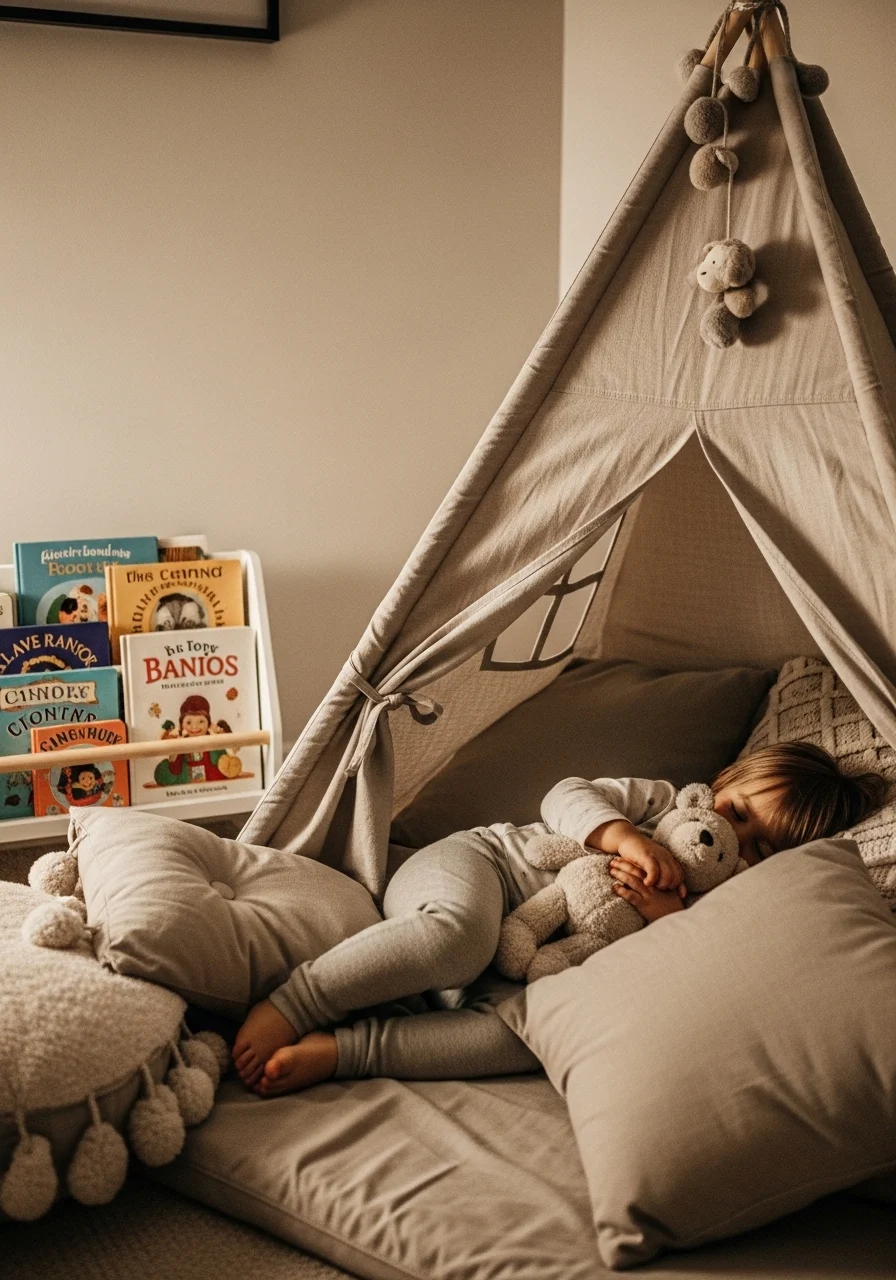
Create a small, predictable space where your toddler can pause and calm down when feelings rise. Include soft pillows, a favorite plush, a simple sensory object, and an age-appropriate book. You sit nearby but let them choose how long to stay. This corner teaches self-soothing and gives you a safe spot to guide emotions without escalation. It’s not a time-out but a quiet reset space that becomes familiar and reassuring.
Why This Works
- Offers a predictable safe spot for big feelings
- Reduces escalation by shortening meltdowns
- Encourages self-regulation habits early
- Strengthens parent-child trust through gentle presence
Quick Tips
- Keep items simple and comforting
- Let your child pick a favorite toy for the corner
- Use the corner for calming, not punishment
- Model sitting there when you’re upset sometimes
- Rotate a book or toy to keep it inviting
2. Belly-Breathing with a Stuffed Friend

Place a stuffed animal on your toddler’s belly and guide slow breaths to make it rise and fall. Count softly with them or sing a short melody as you breathe. Practice for one to two minutes when calm so they learn the rhythm. This simple breathing activity helps your child feel bodily sensations of relaxation. It’s a quick tool to pull out during frustration or before nap time.
Why This Works
- Teaches body awareness and breathing control
- Provides an easy, portable calming technique
- Builds a calming routine before sleep or transitions
- Strengthens caregiver-child bonding during practice
Quick Tips
- Practice daily for short bursts
- Use a soft toy that’s light but visible
- Keep voice low and steady while counting
- Make it a playful ritual, not a chore
- Praise attempts to follow the breath
3. Sensory Bottle Exploration
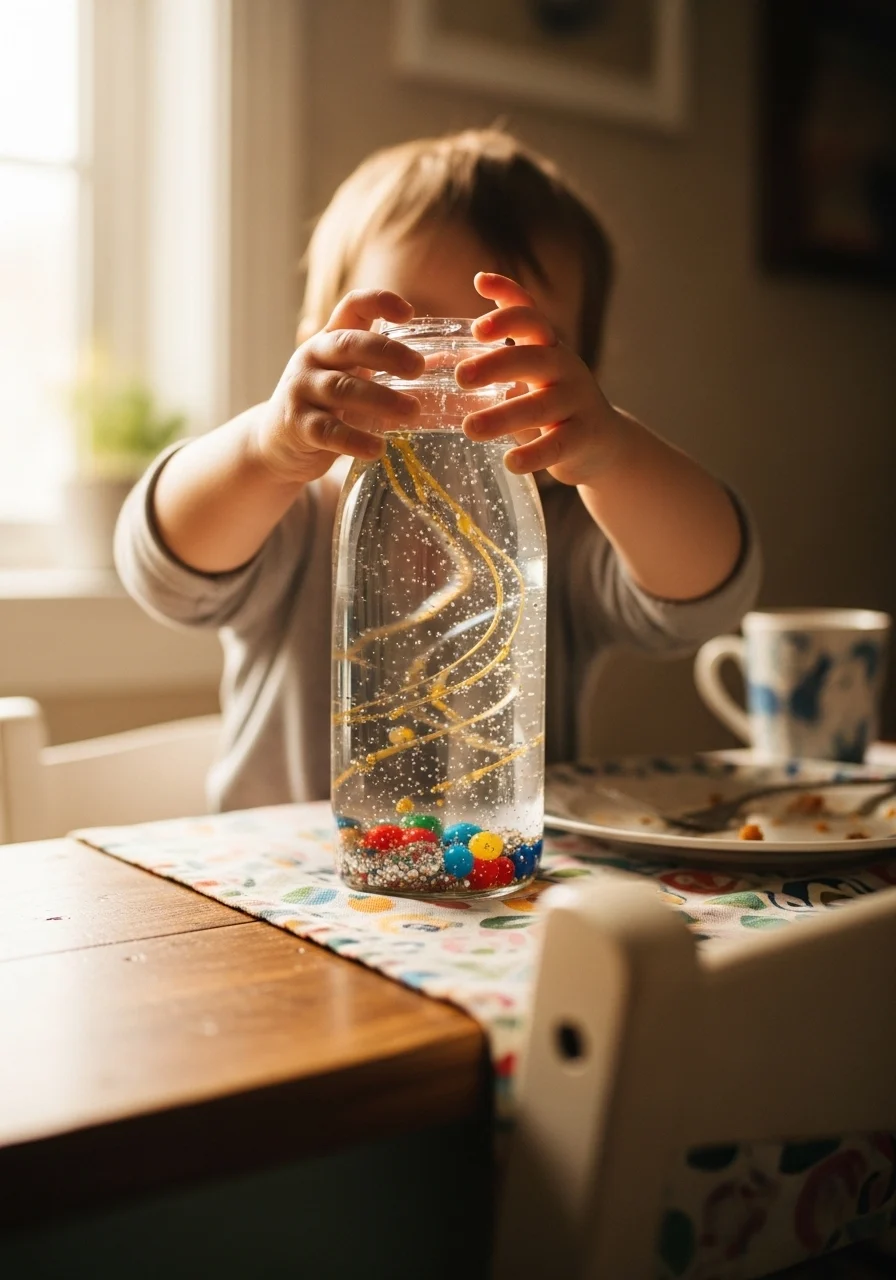
Fill a clear bottle with water, a bit of oil, glitter, and small sealed objects. Let your toddler shake and watch the slow settling. Use it during stressful moments or to signal a pause before transitions. You can make themed bottles with colors or seasonal items. This calming visual helps focus attention and slows a racing mood. Keep bottles sturdy and supervised for safety.
Why This Works
- Provides a visual anchor during big emotions
- Slows attention with gentle movement
- Easy to customize to your child’s interests
- Encourages focused calm without pressure
Quick Tips
- Use sturdy, sealed bottles only
- Make several with different colors and textures
- Introduce them during calm moments first
- Store where toddlers can reach safely
- Use one bottle as your “calm signal” during transitions
4. Feelings Storytime with Puppets
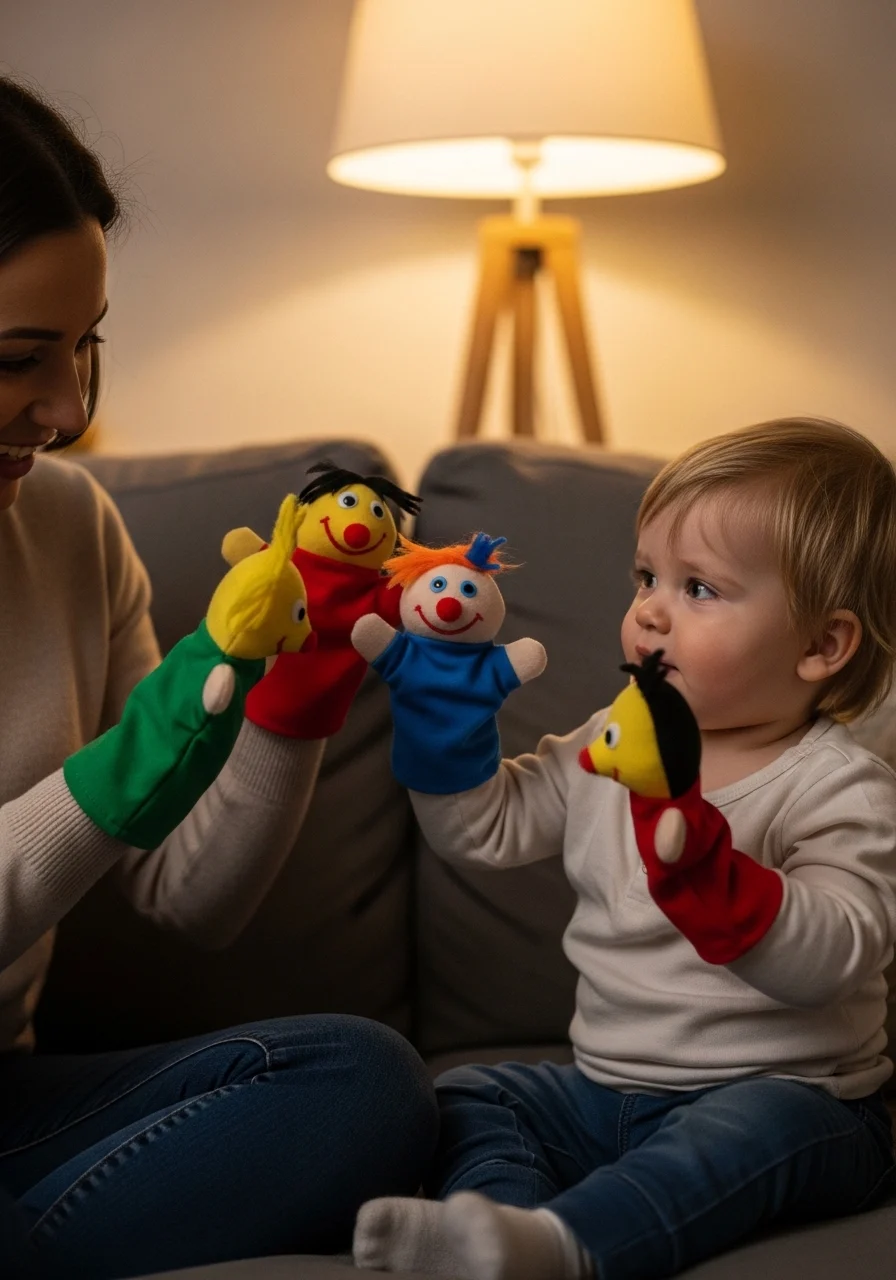
Use puppets to tell short stories about common toddler feelings: anger, sadness, jealousy, and joy. Let the puppet express an emotion and ask your child how it feels. Encourage your toddler to make the puppet feel better. This playful distance helps them name emotions without feeling exposed. It also models empathy and shows that feelings are normal and manageable.
Why This Works
- Helps children label emotions in a safe way
- Builds empathy through role-play
- Makes emotion conversations playful and nonthreatening
- Encourages language development around feelings
Quick Tips
- Use simple, short puppet scenes
- Offer choices for how the puppet can calm down
- Mirror your child’s words to validate feelings
- Keep sessions brief and frequent
- Let your toddler operate a puppet too
5. Emotion Mirror Game
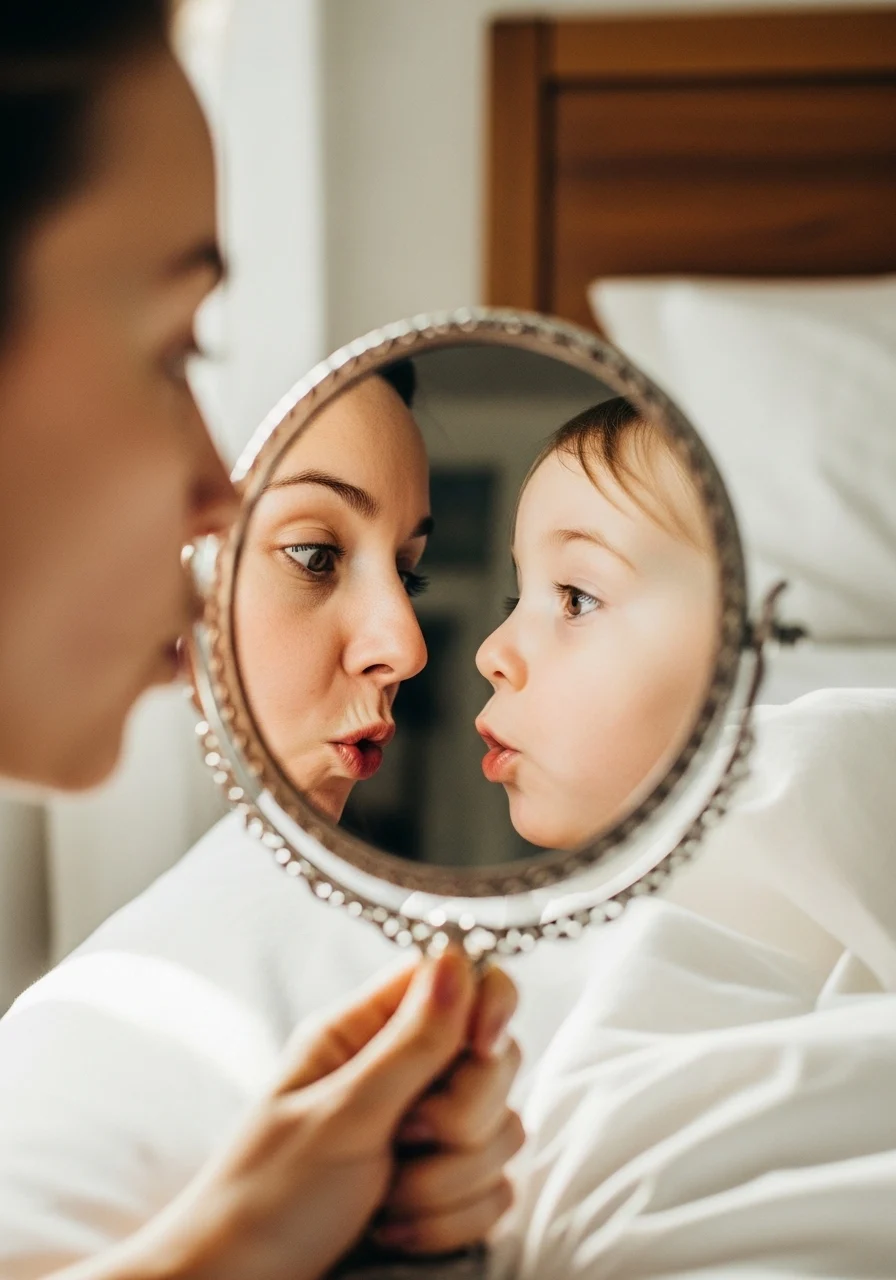
Sit face-to-face with a small mirror and make different emotion faces together. Say the name of each feeling and let your toddler mimic you. Turn it into a game with silly faces and calm faces. This helps children recognize their own expressions and links words to feelings. It’s a short practice that boosts emotional vocabulary and self-awareness.
Why This Works
- Teaches recognition of facial cues
- Links words to physical expressions
- Boosts early emotional vocabulary
- Makes learning playful and interactive
Quick Tips
- Keep sessions to a few minutes
- Use exaggerated faces for clarity
- Repeat common feelings regularly
- Praise attempts to label emotions
- Use the mirror before and after transitions
6. Guided Nature Walks

Take a slow walk and encourage noticing: leaves, sounds, colors, and smells. Ask simple questions like "Which leaf is loudest?" or "Find something soft." Keep the pace gentle so your toddler can explore and name observations. Nature helps lower stress and gives toddlers sensory input that calms and grounds them. It’s a low-cost way to reset both your moods.
Why This Works
- Reduces cortisol through fresh air and movement
- Provides varied sensory experiences for regulation
- Encourages curiosity and language development
- Creates quiet, bonding time away from screens
Quick Tips
- Choose short, accessible routes
- Bring a small bag for nature treasures
- Make walks part of a routine
- Use binoculars or magnifying glass for fun
- Keep questions open-ended and relaxed
7. Calm Music and Slow Dance

Play slow, soothing music and slow-dance with your toddler. Move gently, sway, and hum along. Use this during transitions or as a wind-down before naps. The rhythm and physical closeness ease tension and create a predictable routine your child associates with calm. This is an easy Mental Health Activity Idea for Toddlers that doubles as quiet bonding time.
Why This Works
- Regulates heart rate through rhythmic movement
- Strengthens attachment through close contact
- Signals transition to calmer activities
- Encourages emotional security with music
Quick Tips
- Create a short calming playlist
- Use gentle lifts and sways, not energetic spins
- Make it a pre-nap or bedtime ritual
- Let your child pick a song sometimes
- Keep the lights dimmed for extra calm
8. Texture Treasure Bin
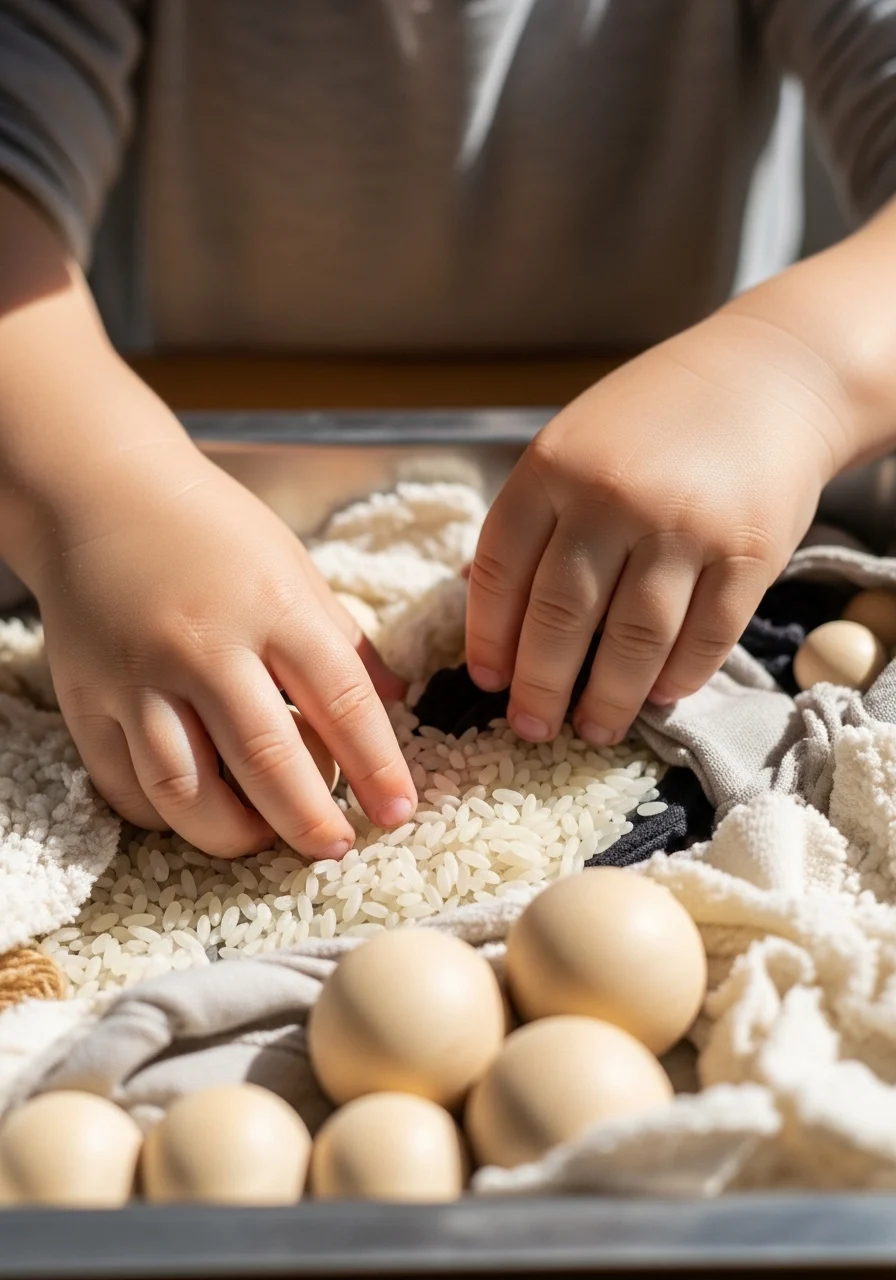
Fill a shallow bin with safe, varied textures like cotton balls, smooth stones, and wooden spoons. Let your toddler scoop, pour, and sort. Supervise closely and use large, nonchokable items. This tactile play calms restless energy and helps regulate sensory needs. It’s also excellent for fine motor development and can be adapted for different moods by changing materials.
Why This Works
- Meets sensory processing needs through touch
- Helps release excess energy and tension
- Encourages focus and fine motor skills
- Easy to modify for calming or stimulating play
Quick Tips
- Use a tray or low table for containment
- Choose large, safe materials for toddlers
- Rotate textures to maintain interest
- Add scoops or big spoons for motor practice
- Keep a small towel nearby for cleanup
9. Bubble Breaths and Blowing Games

Blow bubbles together and encourage your toddler to blow slowly to keep bubbles from popping. Count breaths and watch the bubbles float away. This fun game teaches breath control and focus. It’s perfect for redirecting frustration and adding a light, playful break to the day. Bubbles provide immediate feedback that makes breathing practice concrete.
Why This Works
- Teaches breath control with instant visual feedback
- Makes regulation fun and playful
- Shifts attention from upset to gentle action
- Works indoors or outdoors with minimal setup
Quick Tips
- Use a large, shallow bubble tray to avoid spills
- Try different wands for variety
- Make bubble time part of transitions
- Celebrate small successes and slow breaths
- Use bubble time after tantrum recovery
10. Scribble Feelings Art
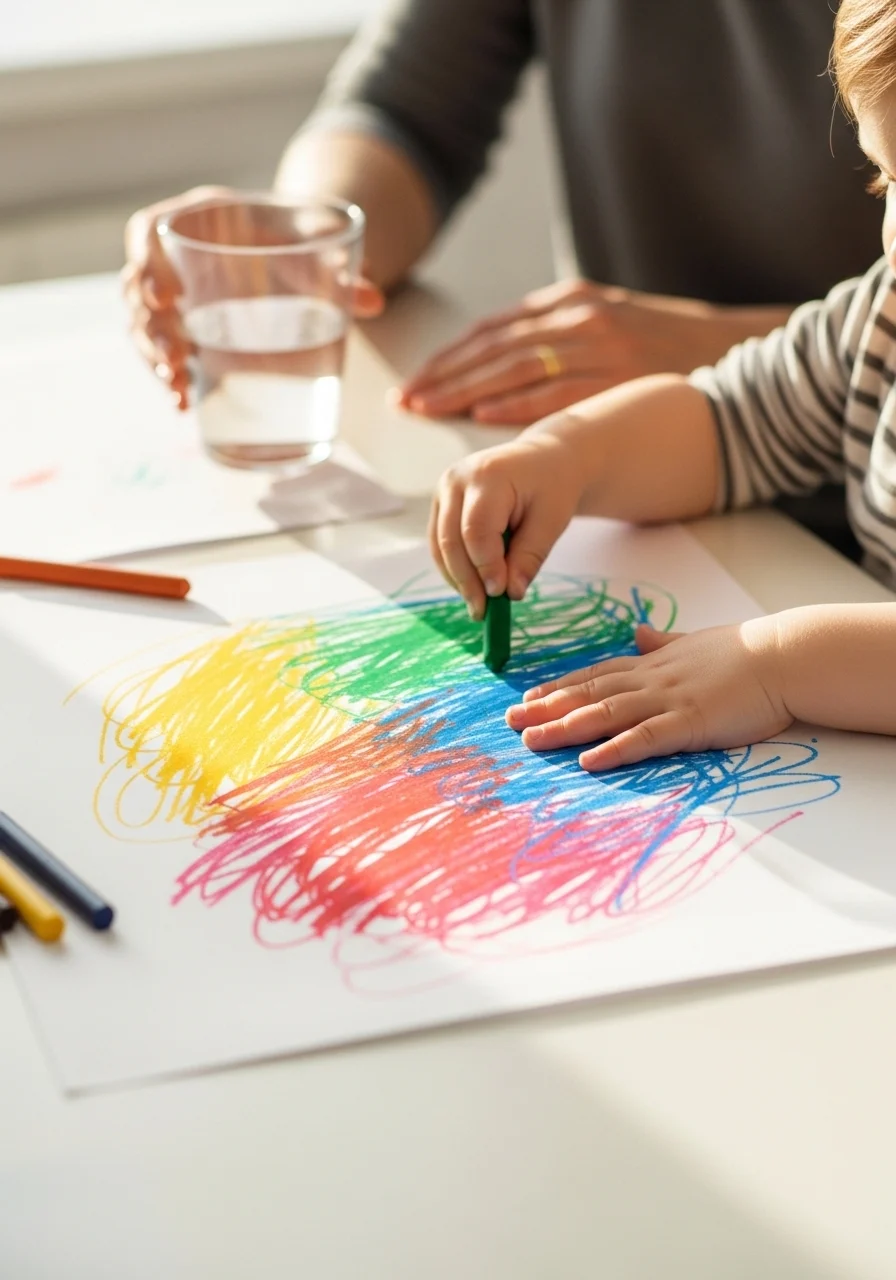
Give large paper and crayons and invite your toddler to "draw how you feel." No need to make pictures realistic; large scribbles are fine. Talk about colors and shapes together. This open-ended art helps express strong emotions when words are limited. It also becomes a safe outlet and a conversation starter for later discussions about feelings.
Why This Works
- Provides nonverbal emotional release
- Encourages symbolic expression and creativity
- Builds connection when you discuss the art later
- Reduces tension through physical movement
Quick Tips
- Use large paper and washable crayons
- Keep prompts simple and gentle
- Display or save a few pieces to validate feelings
- Avoid correcting or directing their marks
- Use art time when calm and as an outlet after big feelings
11. Mini Obstacle Course for Big Emotions
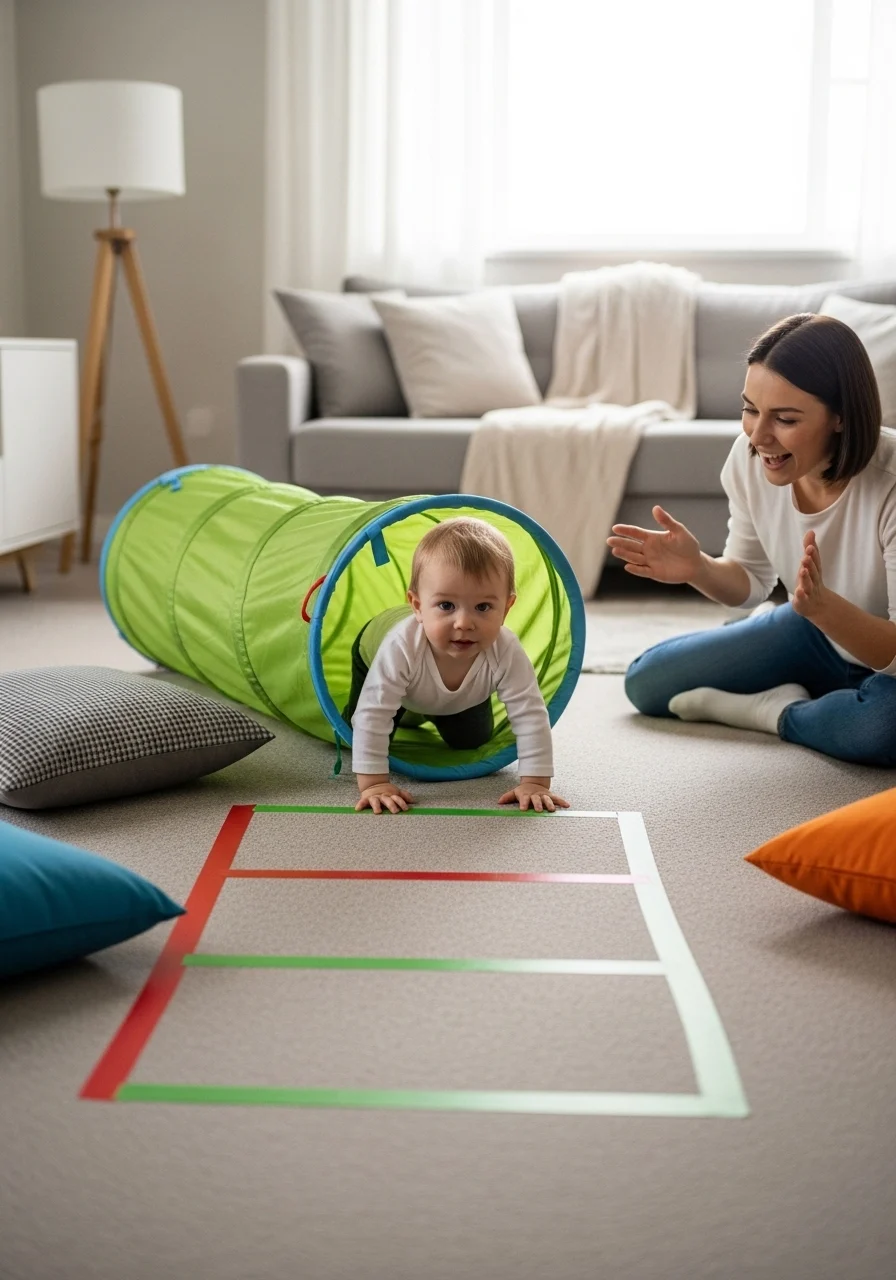
Set up a short obstacle course to release energy and practice focus. Include crawling under a blanket, stepping over soft cushions, and balancing on a taped line. Use gentle encouragement and praise. Movement helps toddlers regulate stress and resets mood. This practical Mental Health Activity Idea for Toddlers combines physical exertion with playful problem solving to ease tension.
Why This Works
- Uses movement to reduce stress hormones
- Builds motor skills and confidence
- Offers a predictable challenge with clear goals
- Gives a fun break that improves mood quickly
Quick Tips
- Keep courses short and safe
- Use household items as props
- Offer simple, achievable tasks
- Time it for afternoon energy dips
- Join in for extra motivation
12. Quiet Box with Soft Sounds
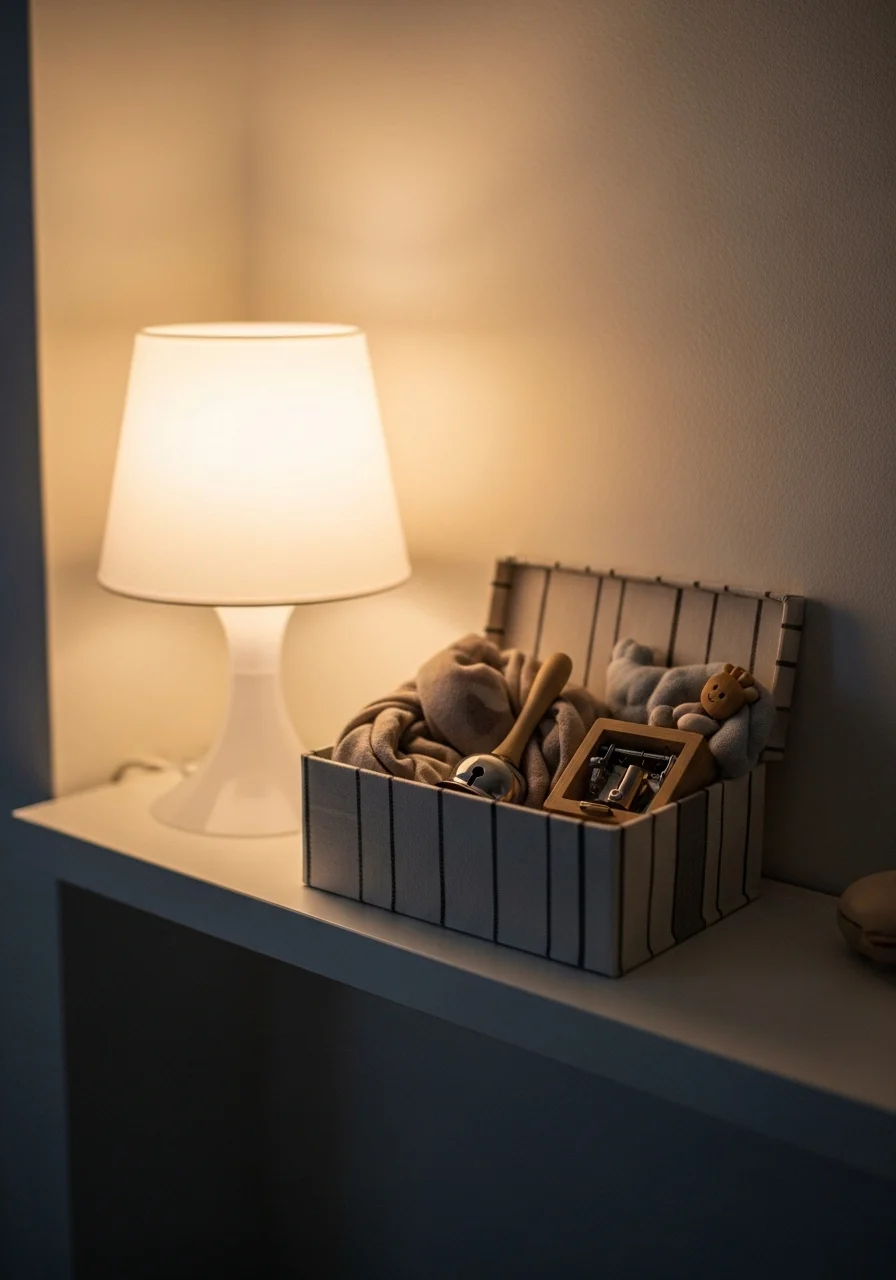
Create a small box of quiet items: soft fabric, a gentle rattle, a simple picture, and a low-volume music toy. Use it when your toddler needs a calm focus. Rotate items to keep curiosity fresh. The box offers predictable sensory input and helps you guide a brief reset without screens. It’s handy for waiting rooms, transitions, or moments of overstimulation.
Why This Works
- Provides controlled, gentle sensory input
- Offers a calming distraction during transitions
- Easy to carry and use anywhere
- Helps toddlers self-direct calming moments
Quick Tips
- Keep items soft and quiet
- Introduce the box during calm times
- Use one item at a time to avoid overwhelm
- Let your toddler choose an item occasionally
- Refresh contents every few weeks
13. Empathy Playdates with Small Groups
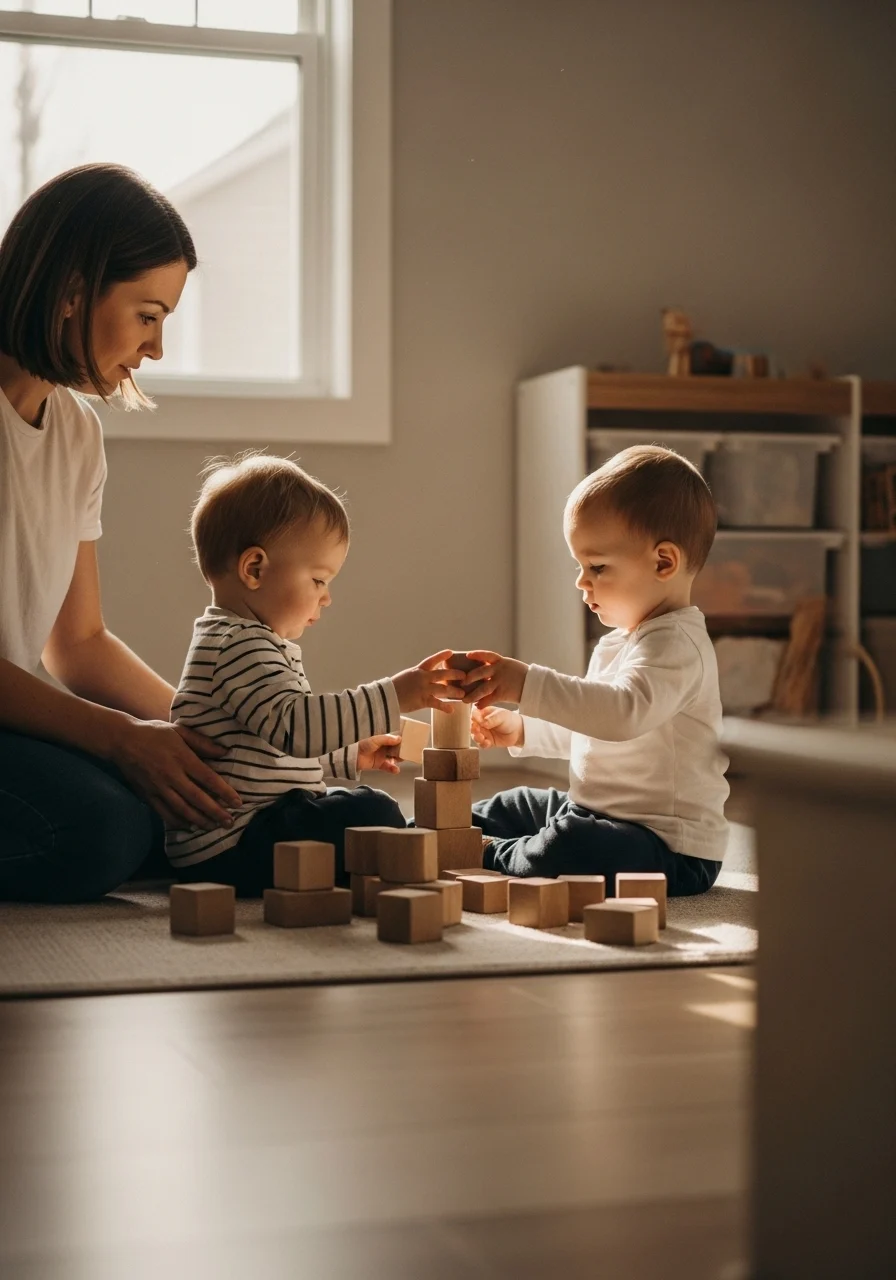
Arrange short, supervised playdates where sharing and turn-taking are gently guided. Use simple games that encourage cooperation, like building towers together. Keep groups small and sessions brief. Practicing social skills in a safe setting builds emotional resilience and reduces anxiety around peers. These moments are part of practical parenting tips that support early empathy.
Why This Works
- Teaches social skills in low-pressure settings
- Builds emotional intelligence and patience
- Offers real practice for playing with others
- Strengthens confidence around peers
Quick Tips
- Keep playdates under an hour for toddlers
- Set a clear, simple plan for activities
- Intervene gently to model sharing language
- Praise attempts at cooperation
- Rotate caregivers to expose children to different styles
14. Counting Calm-Down Stones
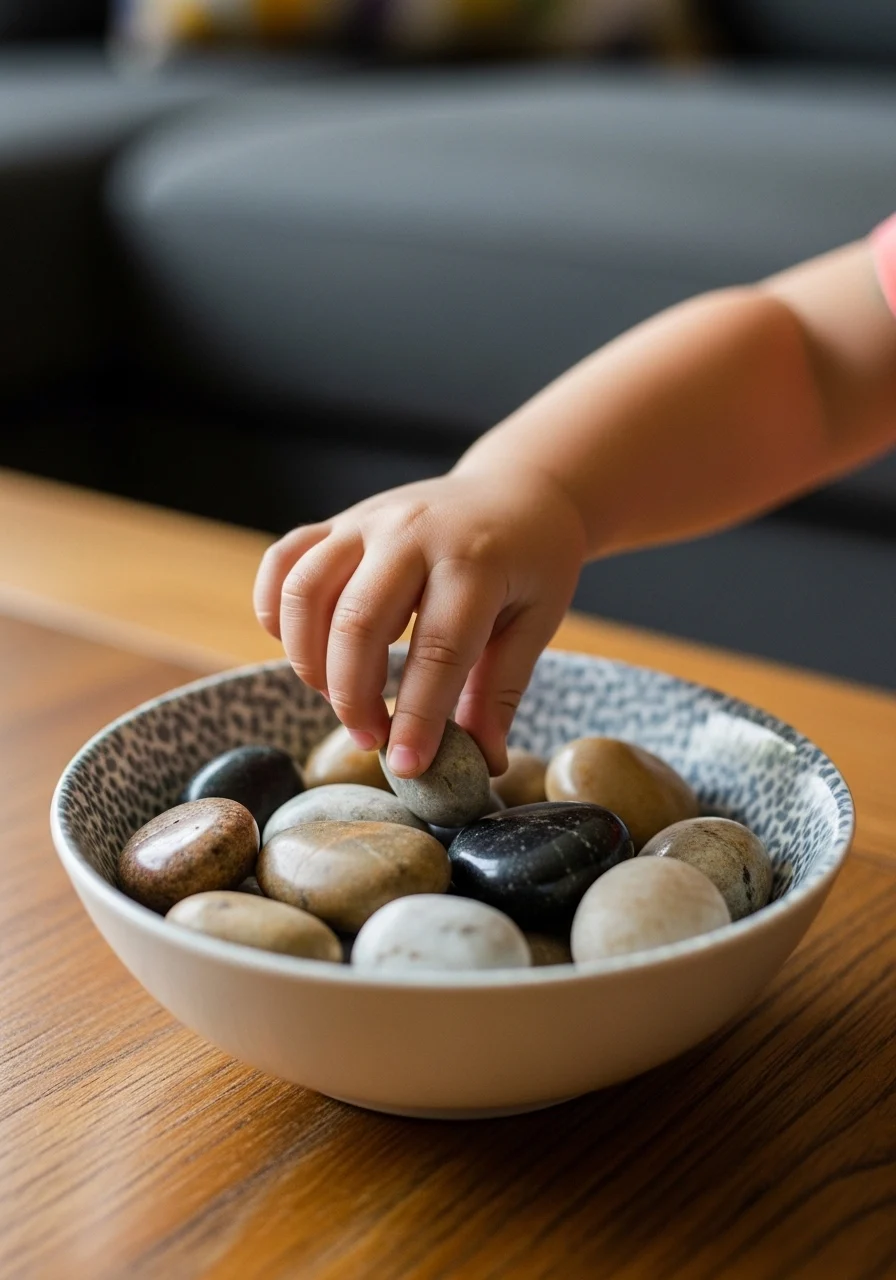
Give your toddler a small bowl of smooth stones or big beads to count and move from one bowl to another as they calm down. Use slow counting and gentle encouragement. This tactile counting task shifts attention and provides a rhythmic movement that calms. It also teaches early math concepts and gives you a quiet tool for transition moments.
Why This Works
- Combines tactile action with focused counting
- Shifts attention away from upset to a task
- Builds early number awareness and fine motor skills
- Offers a predictable calming routine
Quick Tips
- Use large, safe objects only
- Practice the activity during calm times first
- Introduce a soft voice count for rhythm
- Use it before transitions or after meltdowns
- Keep spare bowls handy around the house
15. Bedtime Reflection Chat

End the day with a short, positive chat about the day’s feelings: one happy thing, one calm thing, and one small hope for tomorrow. Keep questions simple and invite one-word or short answers. This routine helps your toddler process the day and feel seen, building a sense of safety before sleep. It’s a gentle parenting tip that supports emotional labeling and bedtime connection.
Why This Works
- Encourages reflection and emotional naming
- Creates a predictable, soothing bedtime routine
- Reinforces positive memories before sleep
- Builds a secure attachment through nightly connection
Quick Tips
- Keep it under five minutes for toddlers
- Use simple prompts and allow silence
- Make it a consistent nightly habit
- Avoid problem-solving at bedtime—stay comforting
- Use a soft, steady tone
16. Mirror Calm Breathing with Music
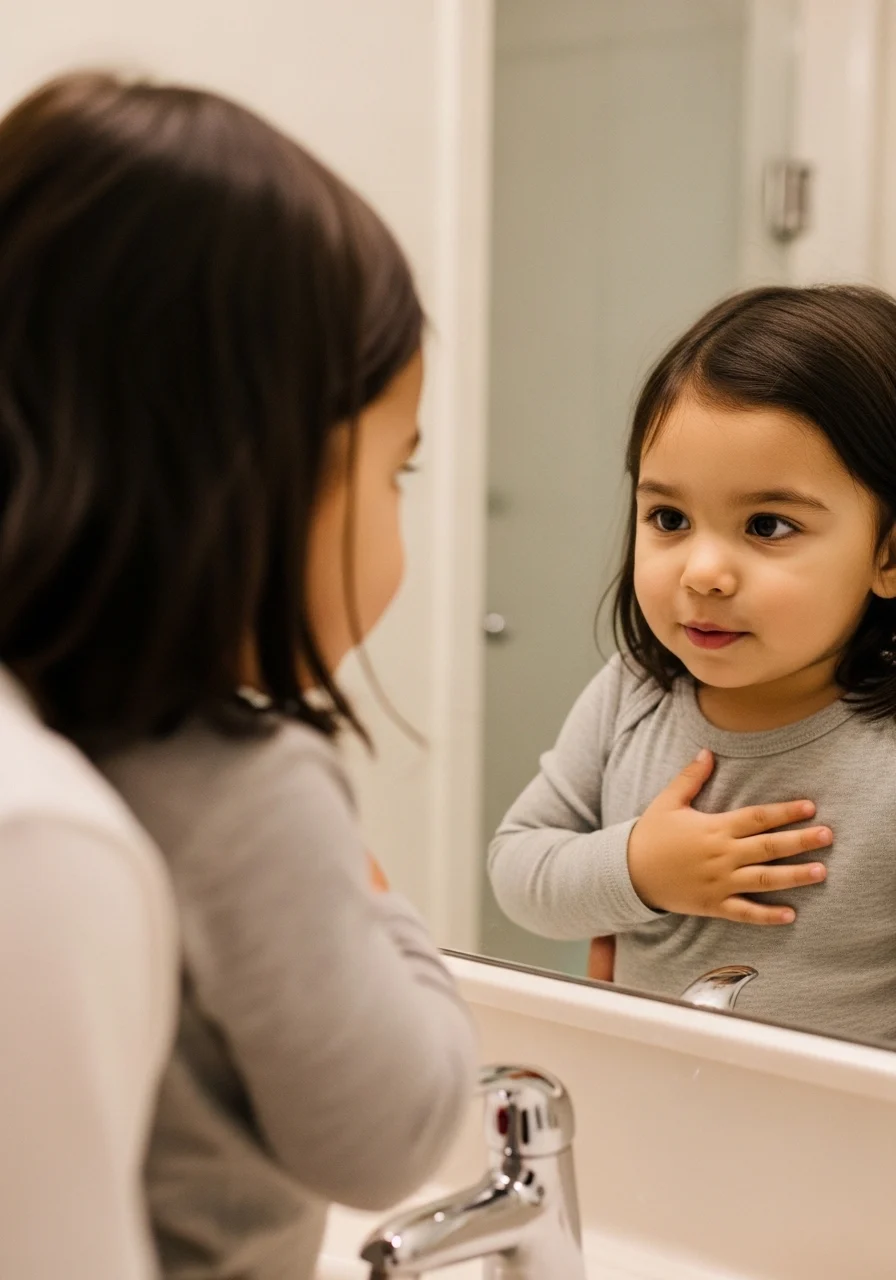
Stand in front of a mirror and breathe together to slow music. Watch the chest rise and fall and make gentle exhale sounds. Seeing their own calm helps toddlers link breath to feeling. It’s an accessible activity you can do before transitions or after busy play. This mindfulness practice supports postpartum caregivers and parents by creating short, shared pauses.
Why This Works
- Visual feedback strengthens breath awareness
- Short, repeatable way to calm quickly
- Builds mindfulness habits early
- Easy to do anywhere with a mirror
Quick Tips
- Choose soft, steady music
- Keep sessions brief and consistent
- Mirror practice during morning or nap routines
- Model relaxed facial expressions
- Celebrate small attempts
17. Puppet Problem-Solving Scenarios
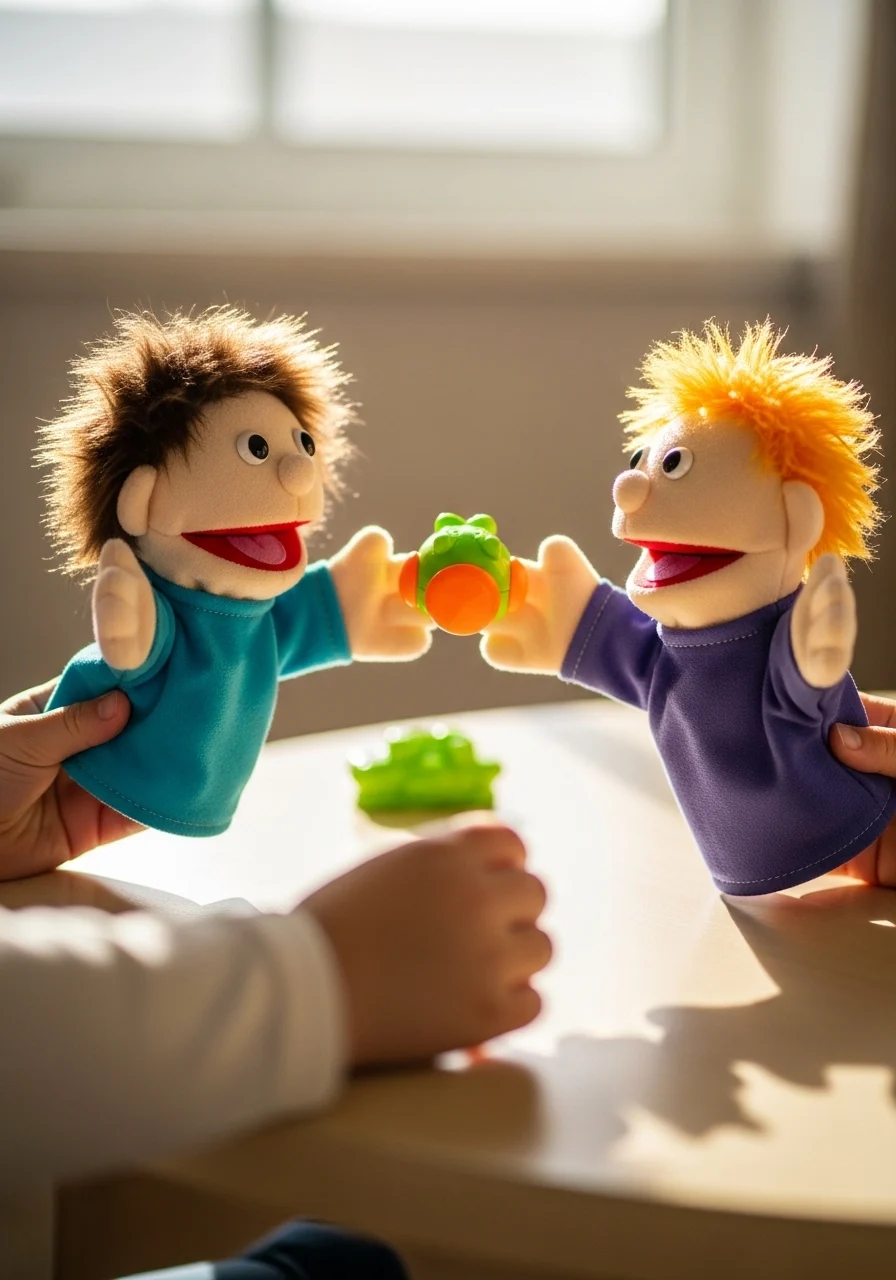
Use puppets to act out small conflicts and ask your toddler how to solve them. Offer simple options like "share" or "wait turn" and practice responses. Role-play reduces defensiveness and helps children rehearse pro-social choices. This activity teaches problem-solving and reduces repeated meltdowns by giving toddlers tools to handle frustration.
Why This Works
- Provides safe practice for resolving conflicts
- Teaches concrete choices and consequences
- Lowers defensiveness through imaginative distance
- Reinforces social language and empathy
Quick Tips
- Keep scenarios short and relatable
- Offer two clear response choices
- Let your child direct a puppet sometimes
- Reinforce positive solutions with praise
- Use familiar toys or characters
18. Snack-Time Mindfulness
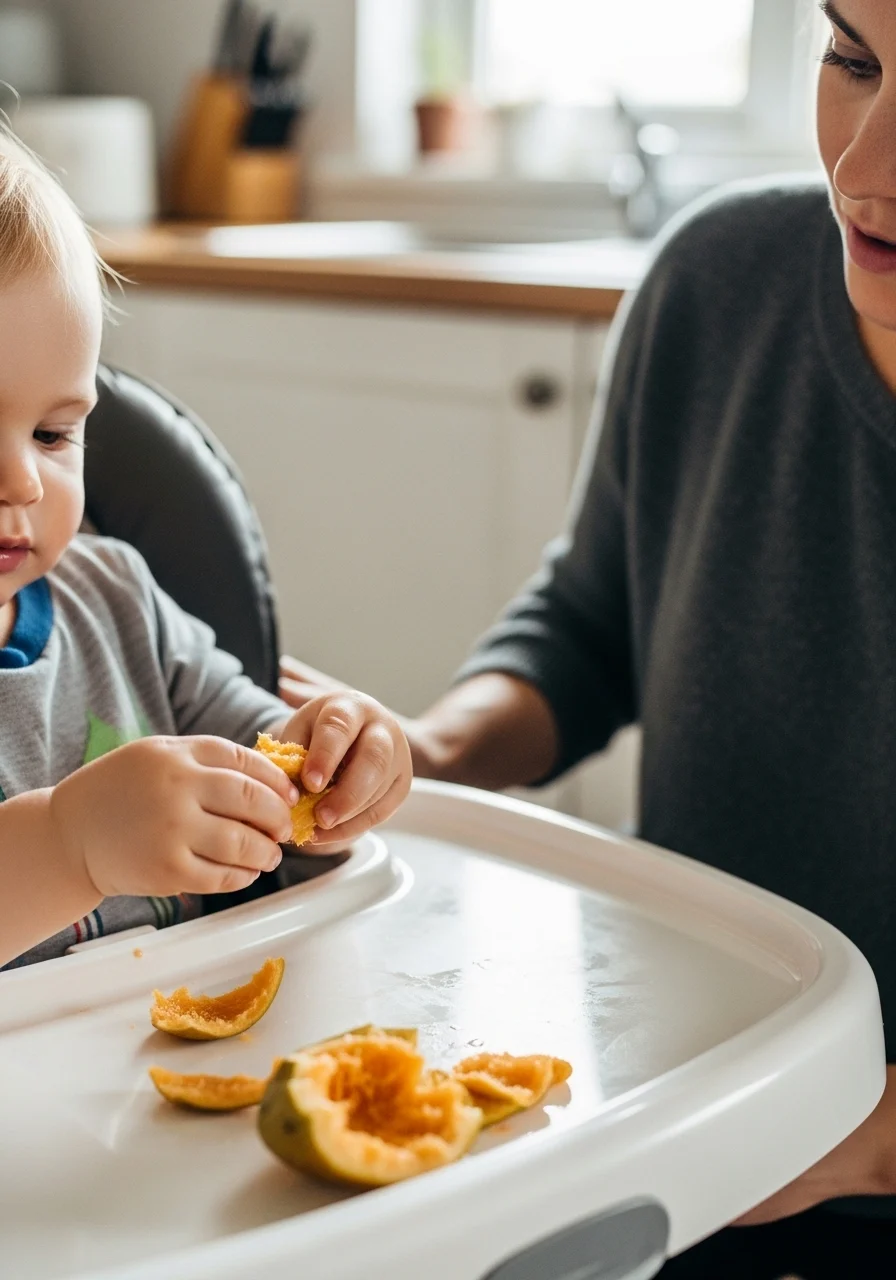
Turn snack time into a short mindfulness activity: notice color, smell, and texture before tasting. Encourage slow bites and talking about sensations. This helps toddlers slow down and enjoy moment-to-moment experience. It also reduces hurried feeding and creates a small window for teaching awareness and patience during mealtimes.
Why This Works
- Encourages mindful attention and slowed pace
- Teaches sensory vocabulary and patience
- Reduces rushed eating and distractions
- Creates calm, connected mealtime moments
Quick Tips
- Use safe, easy-to-hold snacks
- Keep prompts short and sensory-focused
- Avoid pressure to finish food
- Make it part of mid-morning or afternoon routines
- Praise curiosity and small sips or bites
19. Story Prompts for Feelings
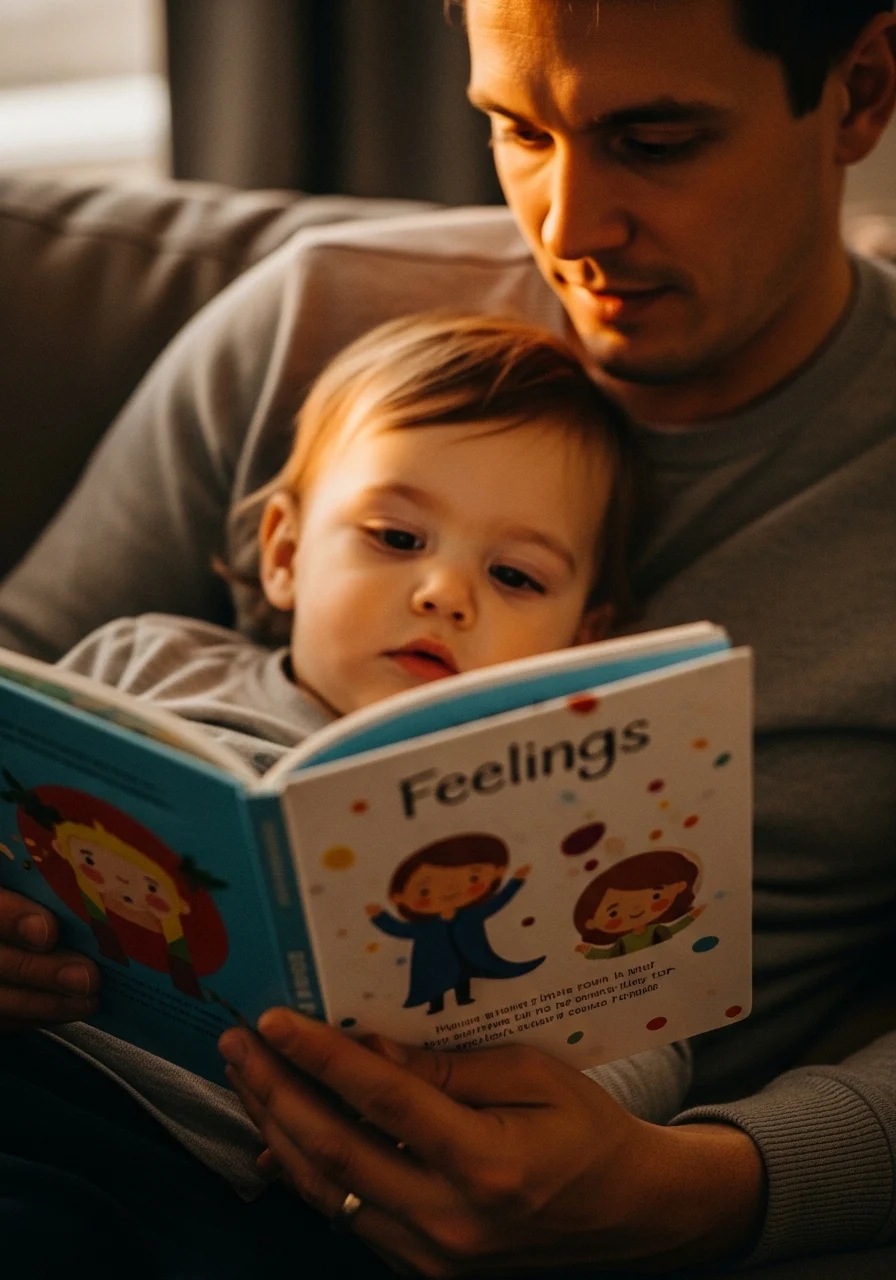
Read short picture books about emotions and pause to ask, "How is the character feeling?" Let your toddler point to pictures and choose feelings words. Use follow-up questions like "What would make them feel better?" This gentle practice builds vocabulary and empathy. It’s an easy Mental Health Activity Idea for Toddlers you can use multiple times a week.
Why This Works
- Teaches emotional vocabulary through narrative
- Models empathy by discussing characters
- Encourages problem-solving through story outcomes
- Fits into daily reading routines easily
Quick Tips
- Pick short, picture-led books
- Pause often to ask simple questions
- Relate story feelings to your child’s day
- Keep responses validation-focused
- Re-read favorites for reinforcement
20. Calm-Down Jar Craft with Toddlers
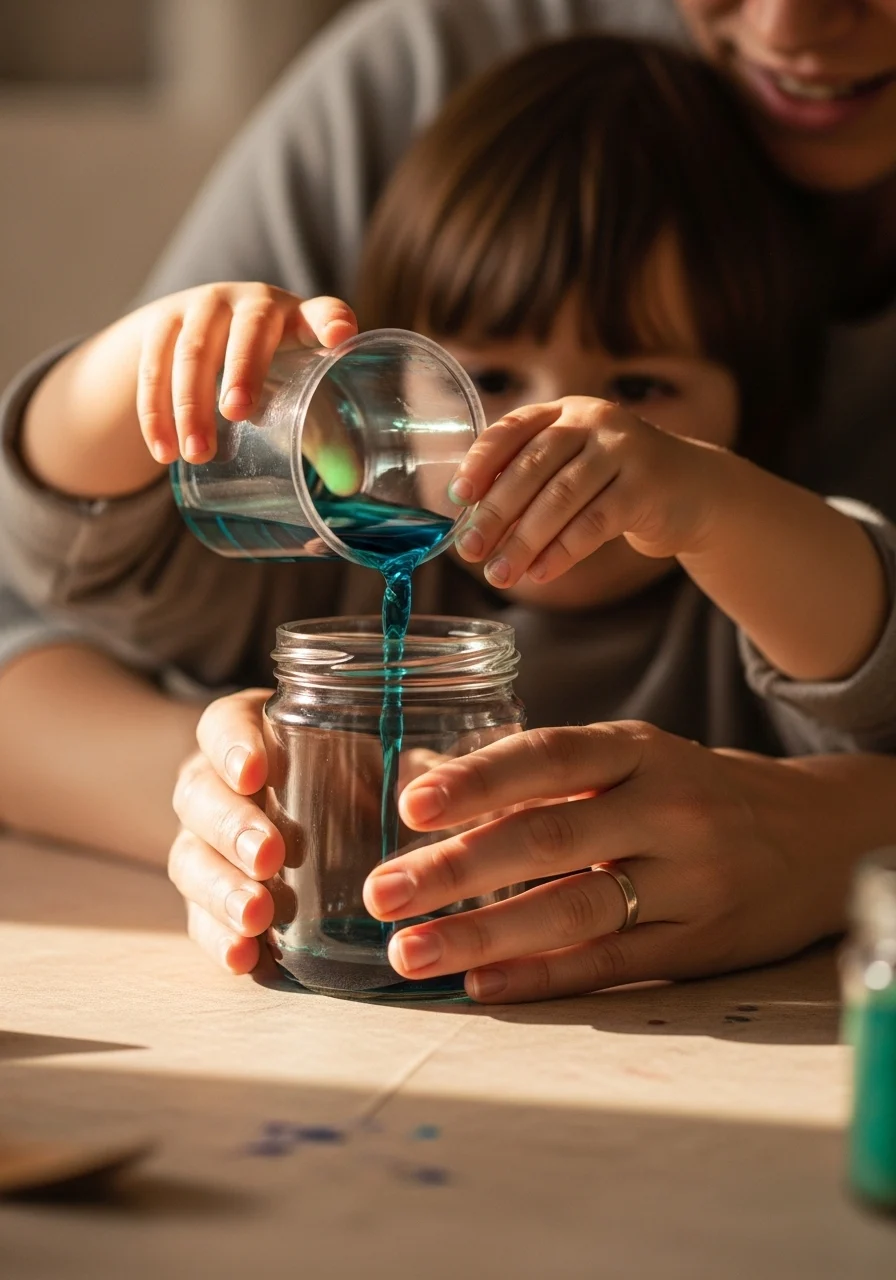
Make a calm-down jar with your toddler using glitter glue, water, and safe sequins in a sealed jar. Shake it together and watch the glitter settle as you practice slow breaths. The making process itself is soothing and the finished jar becomes a portable visual tool for regulation. Crafting together also strengthens your bond through shared creativity.
Why This Works
- Combines creative play with a visual calming tool
- Encourages breath practice while watching settle
- Strengthens caregiver-child connection during crafting
- Offers an easy to use, portable calming resource
Quick Tips
- Use non-breakable containers for toddlers
- Seal lids tightly with glue or tape for safety
- Make one with your child and label it the “calm jar”
- Use during transitions or when emotions spike
- Store out of reach when not supervised
21. Gentle Yoga Poses for Little Bodies
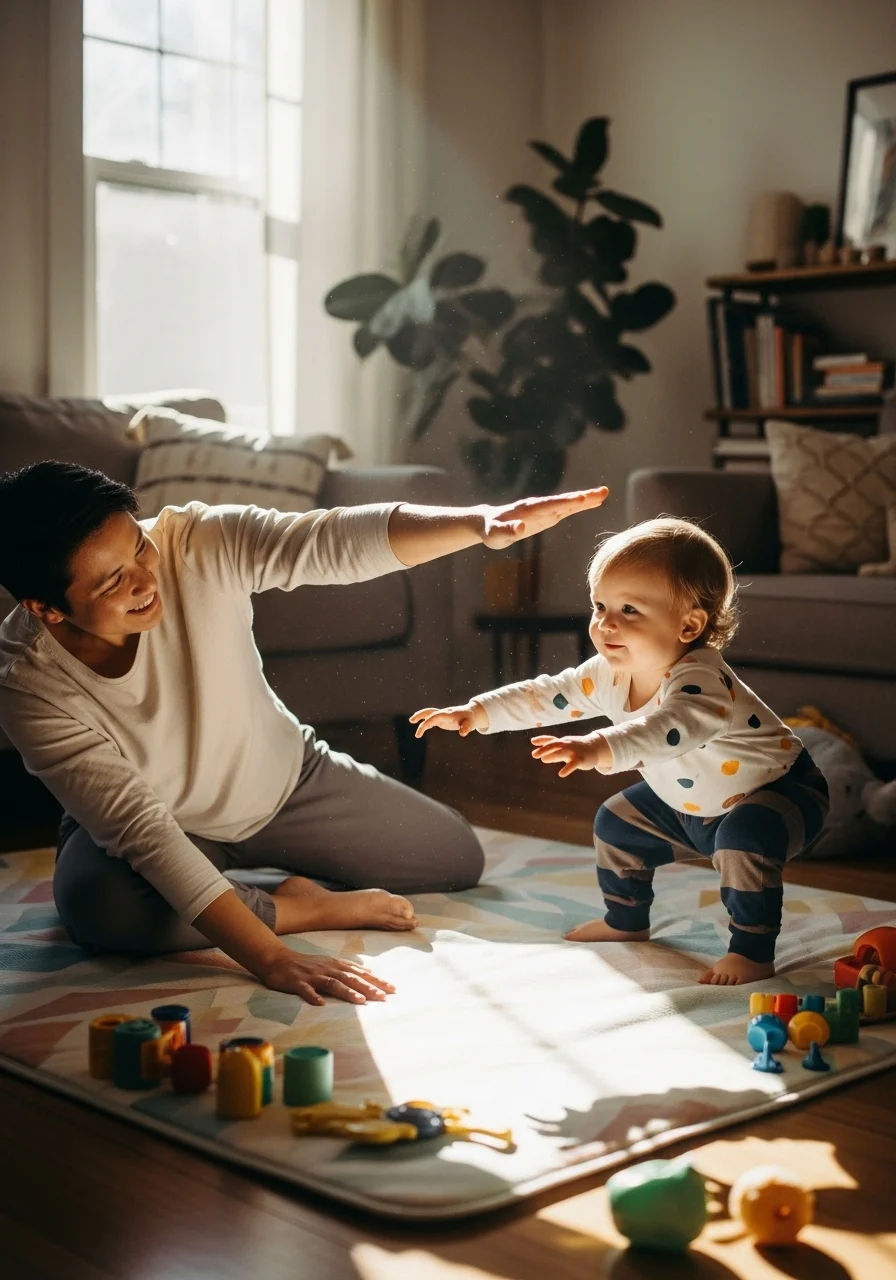
Guide a few simple child-friendly yoga poses like star, tree, and child pose. Use animal names and sounds to make movement playful. Keep sequences short and mostly floor-based. Yoga helps with balance, body awareness, and breath control. It also gives you a calm, shared movement routine that supports both your toddler’s emotional regulation and your own postpartum or parenting wellbeing.
Why This Works
- Builds body awareness and self-regulation
- Combines breath with gentle movement
- Supports gross motor skill development
- Provides a calm shared routine you can repeat
Quick Tips
- Keep sessions under ten minutes
- Use playful names for poses
- Practice on soft mats or rugs
- Follow your child’s pace and interest
- End with a cuddle or quiet rest
These 21 Mental Health Activity Ideas for Toddlers offer small, practical ways to support emotional skills every day. Save or pin this list for those frazzled moments when you need quick tools that actually work. Each idea is easy to try at home and gentle enough to repeat without pressure. Which one will you try first with your little one today?


