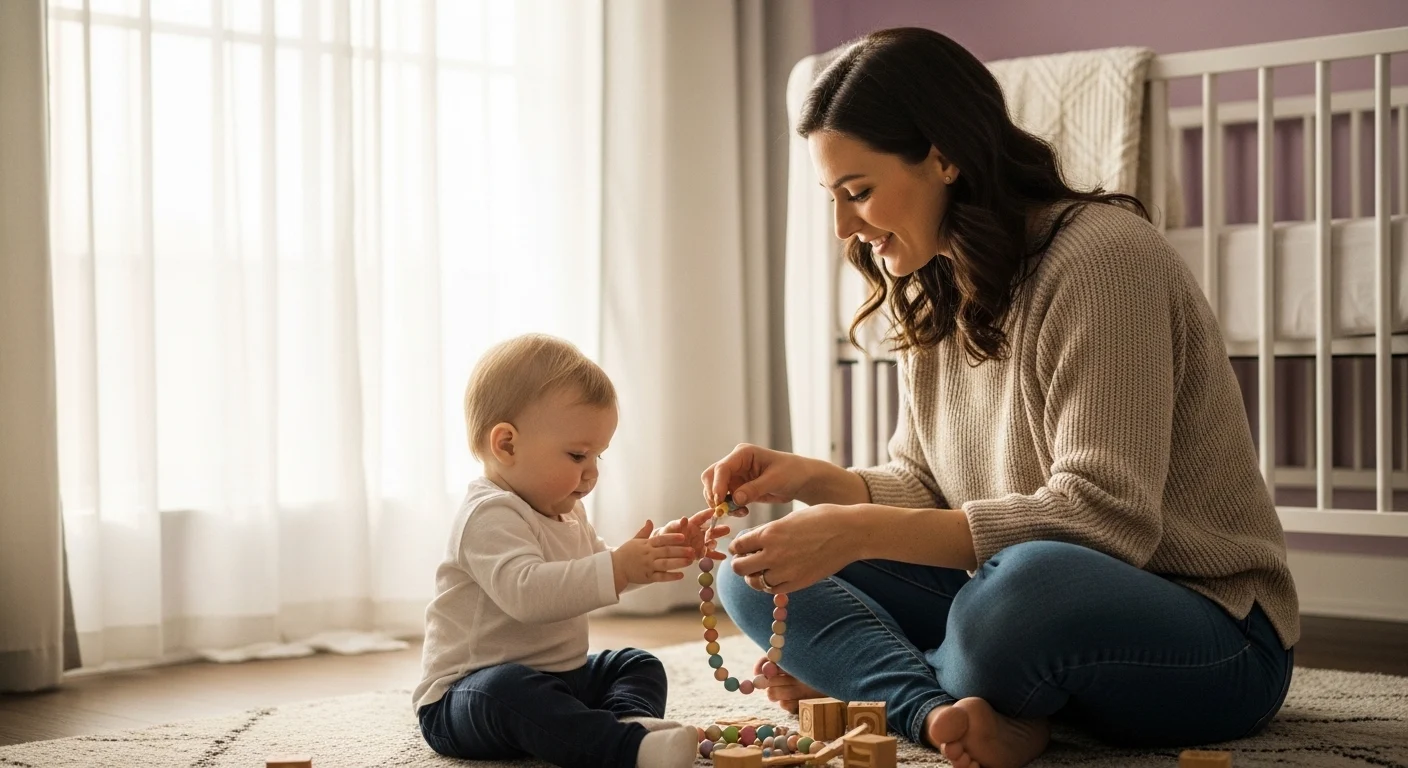
You know those small moments when your child fumbles with a tiny button or beams after threading a bead? Those wins matter. As you juggle feeding, playtime, and bedtime, fine motor development quietly shapes how your child will eat, dress, write, and play.
Fine Motor Activities for Kids That Build Skills help you turn everyday play into meaningful practice. These activities fit into short stretches between routines and feel like normal parenting moments. They support hand strength, coordination, and confidence while offering calm, shared time together.
Below are 17 simple, realistic ideas you can try at home. Each one is written for busy parents seeking practical parenting tips that support early development and family wellbeing.
1. Playdough Pinch and Roll
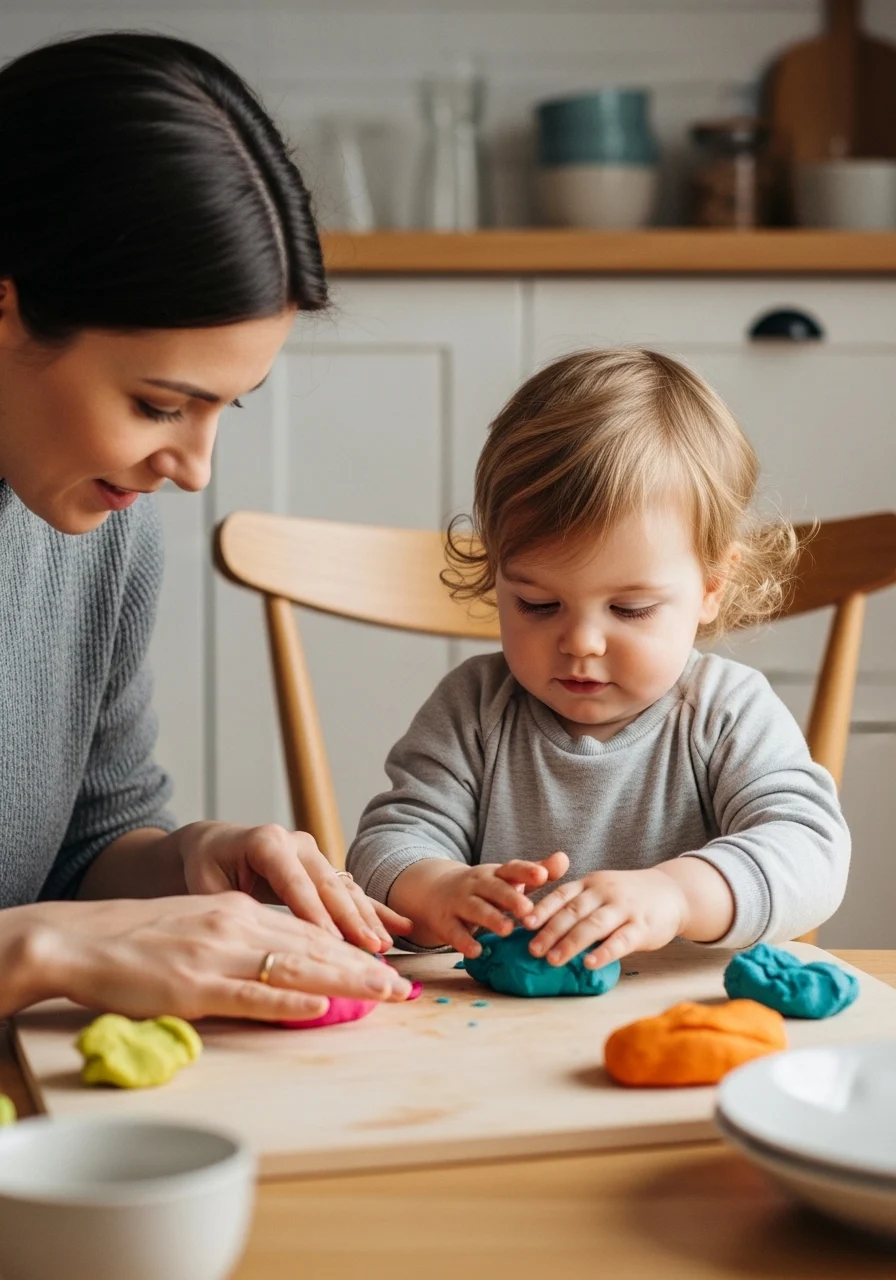
Playdough gives you a low-stress tool for strengthening fingers. Let your child pinch, roll, and squish while you model small movements. This feels like creative play, not a lesson, so your child stays engaged. You can shape food, animals, or simple letters as part of snack or quiet time.
Why This Works
- Builds hand strength and finger control
- Encourages sensory exploration and calm focus
- Supports early handwriting muscles
- Easy to adapt for different ages
Quick Tips
- Keep a small container at the table for brief practice
- Use salt dough for edible options with toddlers
- Prompt pinching with small props like beads or buttons
- Model slow movements for your child to copy
- Clean up together to make it part of routine
2. Clothespin Transfer Game
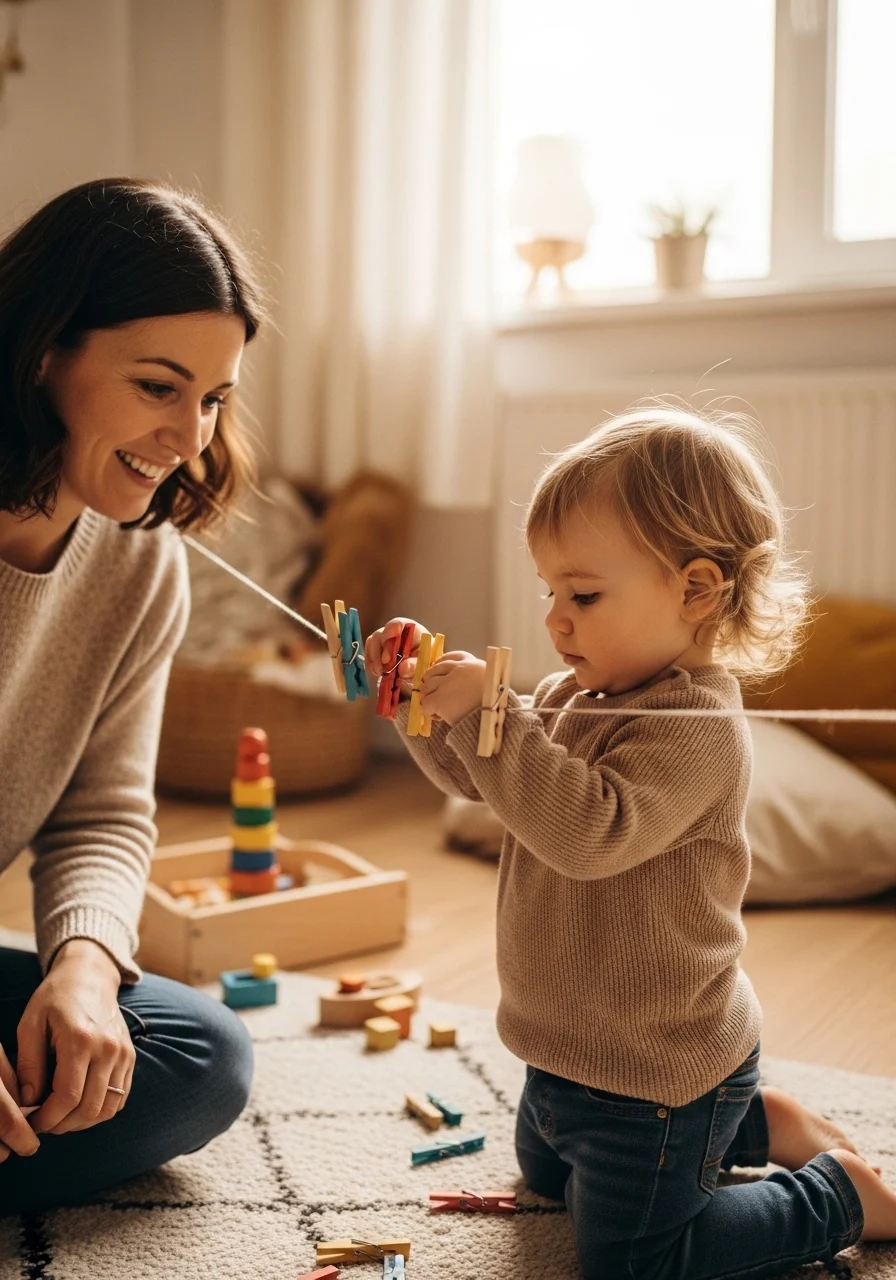
Give your child a bowl of clothespins and a cardboard edge or string to clip onto. Squeezing clothespins strengthens the pincer and hand muscles needed for dressing and feeding. You can make it a quick tidy-up game after playtime or a calm activity during snack prep.
Why This Works
- Strengthens thumb and index finger grip
- Encourages bilateral coordination using both hands
- Links fine motor work to everyday tasks like dressing
- Feels like simple play, not structured practice
Quick Tips
- Use colorful pins to keep interest high
- Start with larger clothespins for younger toddlers
- Turn it into a sorting game by color
- Offer praise for each successful clip
- Keep sessions short to avoid frustration
3. Bead Stringing Necklace
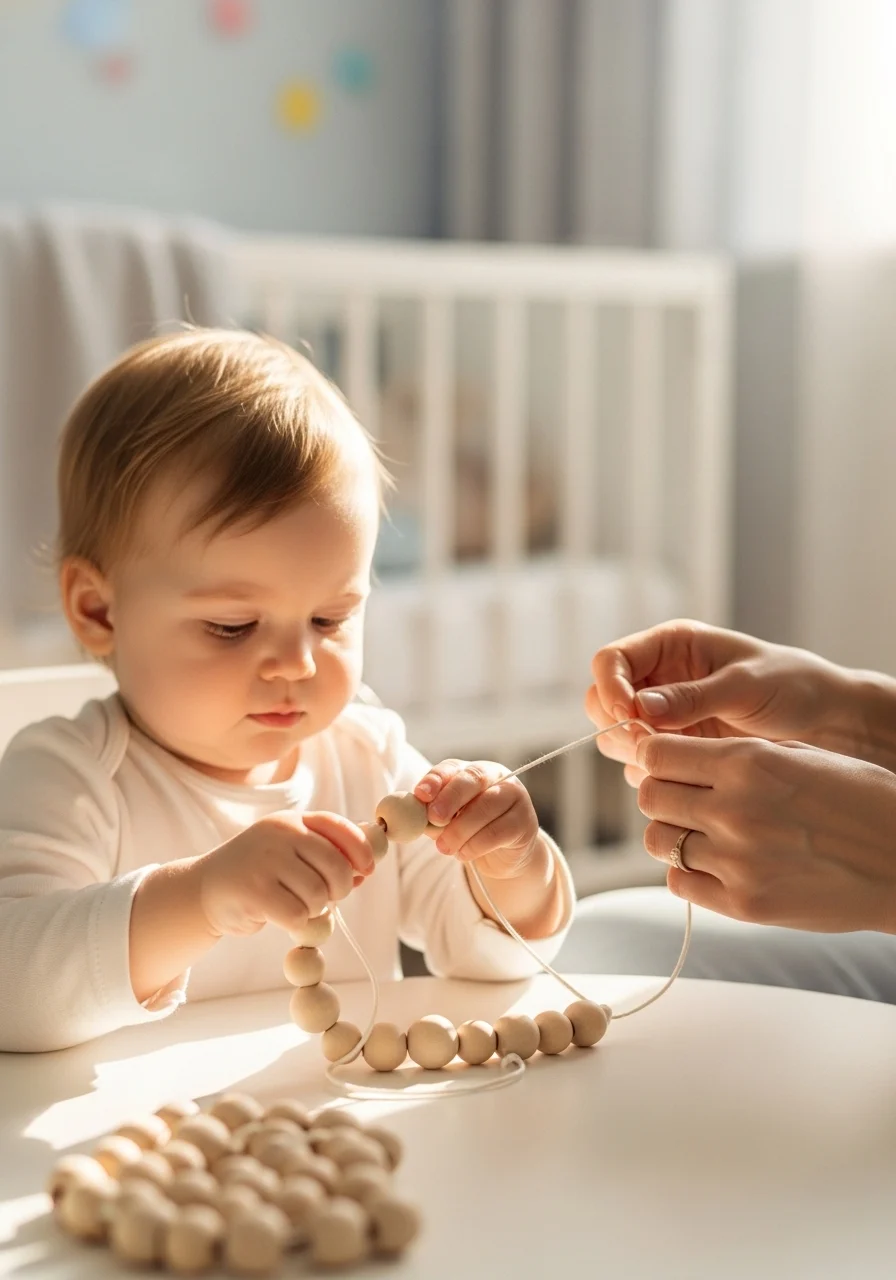
Stringing beads helps refine precision and hand-eye coordination. Use large beads for beginners and smaller beads as skills grow. This activity doubles as a cozy bonding moment and a chance to talk about colors and patterns, making it emotionally reassuring and practical.
Why This Works
- Improves hand-eye coordination and timing
- Builds patience and concentration
- Encourages pattern recognition and creativity
- Feels rewarding when a necklace is completed
Quick Tips
- Use a thick string or shoelace to begin
- Offer adult supervision for small parts
- Introduce color patterns to increase challenge
- Let your child wear their finished creation
- Keep sessions during quiet parts of the day
4. Sticker Peeling and Placement
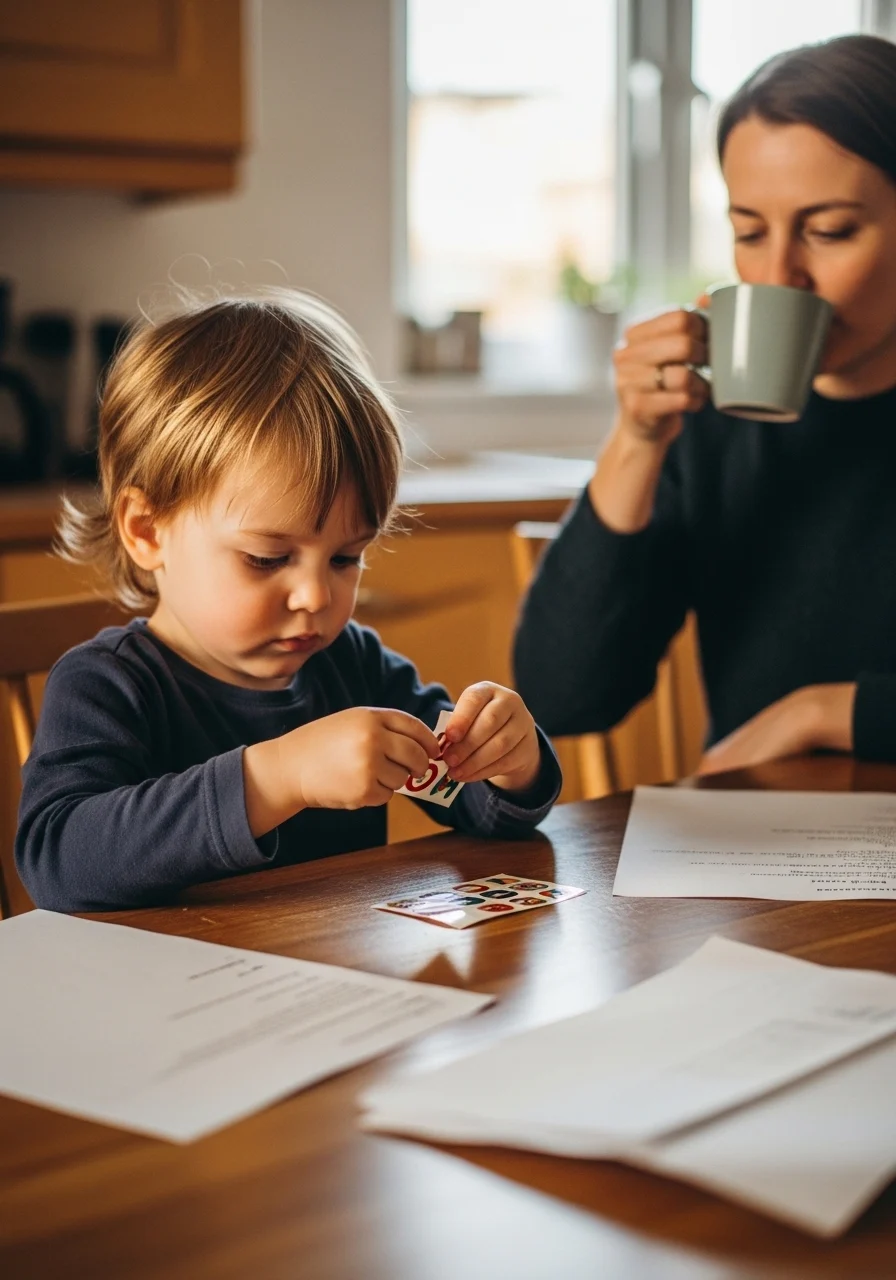
Peeling stickers is a little miracle for tiny fingers. It builds pincer grasp and bilateral skills since one hand peels and the other places. Stickers are portable and quick to use during waiting times. The activity also boosts confidence as your child creates their own little collage.
Why This Works
- Trains precise finger movement and coordination
- Encourages one-handed and two-handed tasks
- Offers quick wins that build self-esteem
- Fits easily into short waiting moments
Quick Tips
- Keep sticker books in the diaper bag for outings
- Use larger stickers for beginners
- Create themed sticker pages to spark interest
- Encourage placement within a bordered area for focus
- Praise effort over perfection
5. Pom-Pom Tweezers Sorting
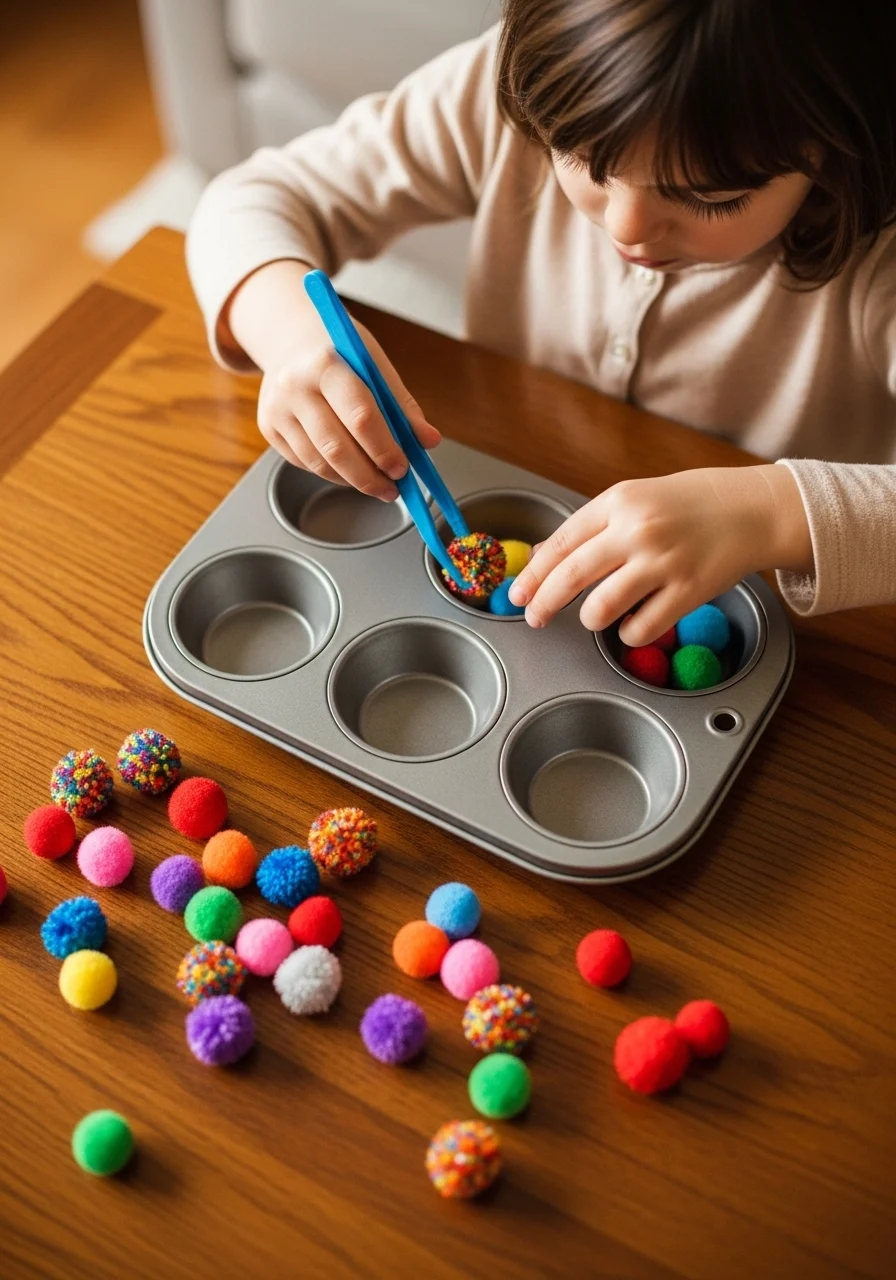
Tweezers mimic the action of utensils and small tools. Let your child pinch pom-poms or cotton balls and sort by color into trays. This activity strengthens the pincer grasp and hand strength while feeling playful and like a simple sorting game.
Why This Works
- Strengthens thumb-index pinch control
- Builds bilateral coordination and focus
- Teaches color recognition and sorting concepts
- Easy to tailor to your child’s age and attention span
Quick Tips
- Use a variety of cup sizes for challenge
- Swap tweezers for tongs to vary resistance
- Count pom-poms aloud to add language practice
- Keep materials in a small bin for easy access
- Limit to short, focused rounds
6. Finger Painting Fun
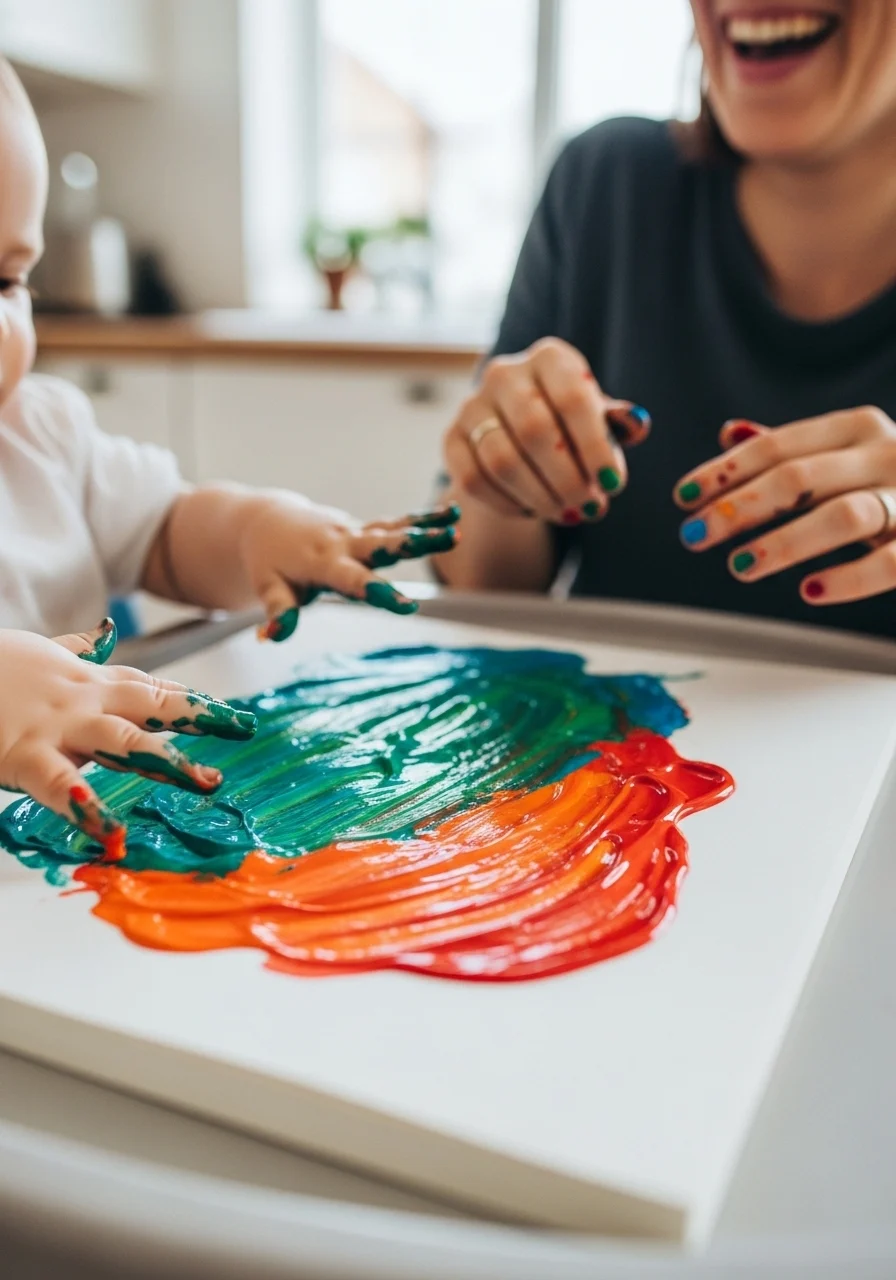
Finger painting is sensory and creative while building finger strength and fine control. Let your child explore paint on heavy paper or a washable mat. This messy, playful time helps with sensory regulation and supports muscle development in hands that later helps with writing tools.
Fine Motor Activities for Kids That Build Skills often include sensory play like this because it blends feeling, movement, and creativity.
Why This Works
- Encourages tactile exploration and fine finger movement
- Supports hand strength and wrist stability
- Reduces pressure around correct outcomes
- Creates a calming, bonding experience
Quick Tips
- Use washable, non-toxic paints
- Cover surfaces for easy cleanup
- Offer large brushes as a next step
- Limit to 10 to 15 minutes per session
- Talk about colors and shapes while painting
7. Pincer Cheerios Feeding
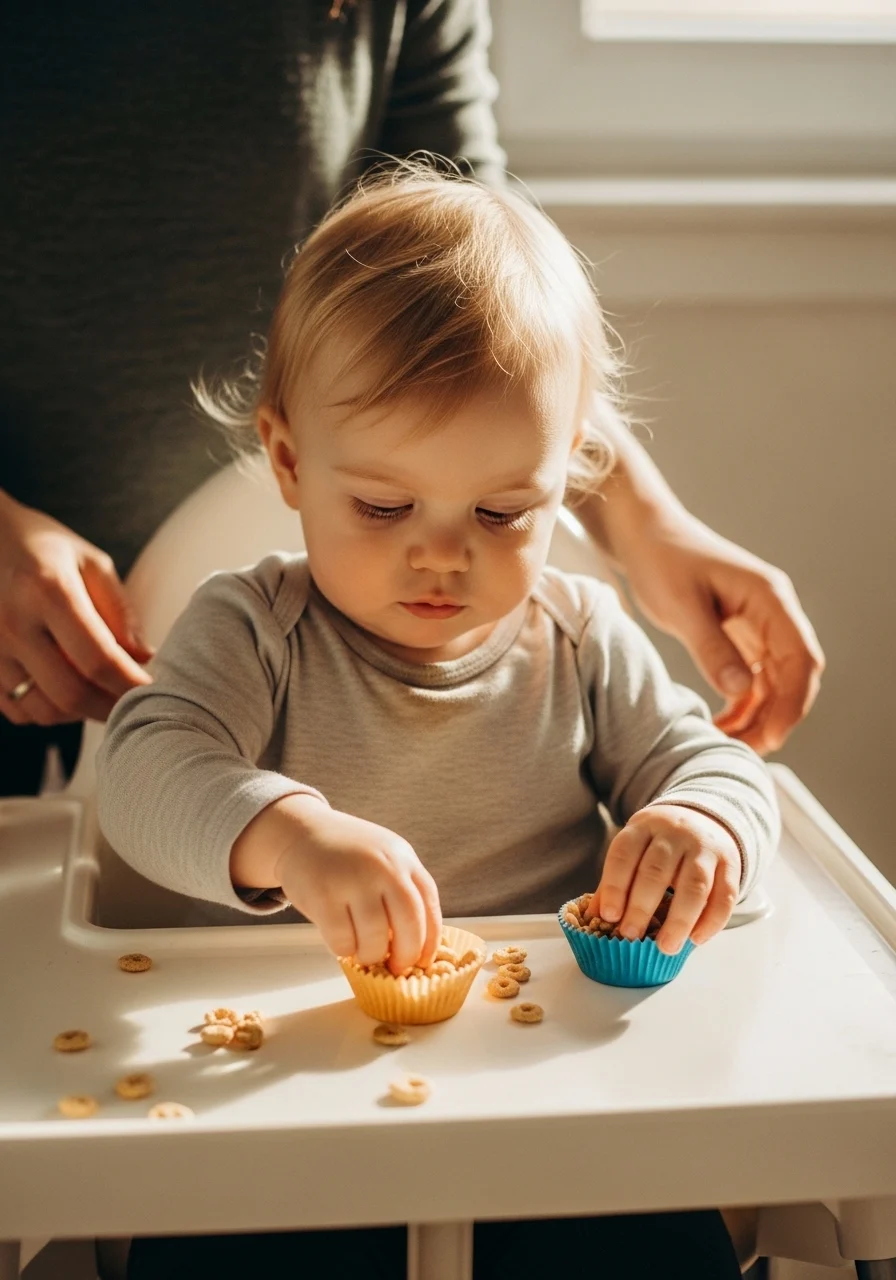
Using small snacks like cheerios encourages precise pincer grasp while giving your child a tasty reward. It’s a multitasking moment that supports self-feeding, hand control, and concentration. Keep it supervised and use it during snack times for natural practice.
Why This Works
- Builds fine finger control used for dressing and writing
- Teaches self-feeding and independence
- Offers sensory feedback from actual food
- Easy to integrate into daily routines
Quick Tips
- Use a shallow tray to contain pieces
- Offer finger foods of different textures for variety
- Encourage placing pieces into small bowls or liners
- Celebrate attempts to boost confidence
- Keep sessions short and safe
8. Buttoning Practice Board
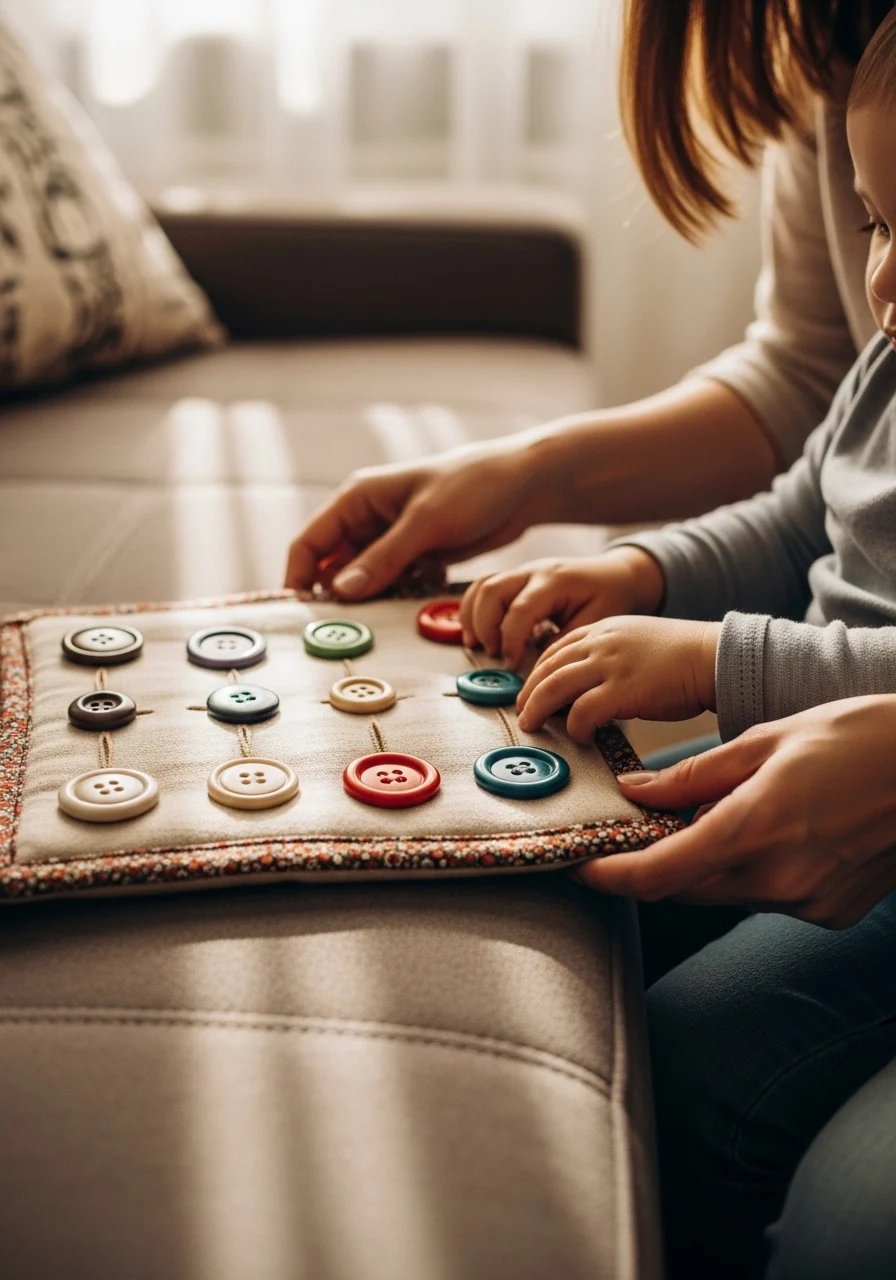
A buttoning board replicates clothing fastenings in a low-pressure setting. Practicing buttoning helps with independence in dressing and builds coordination. You can make one quickly with a scrap of fabric and a few buttons. It’s excellent for quiet table time or pre-bed routine.
Why This Works
- Directly trains dressing skills and finger coordination
- Encourages problem-solving and patience
- Builds confidence in self-care tasks
- Can be tailored to increasing difficulty
Quick Tips
- Start with large buttons and thick holes
- Move from buttoning on a flat surface to clothing
- Use different textures to increase sensory feedback
- Practice in short bursts to avoid frustration
- Celebrate small progress regularly
9. Safety Scissors Cutting Strips
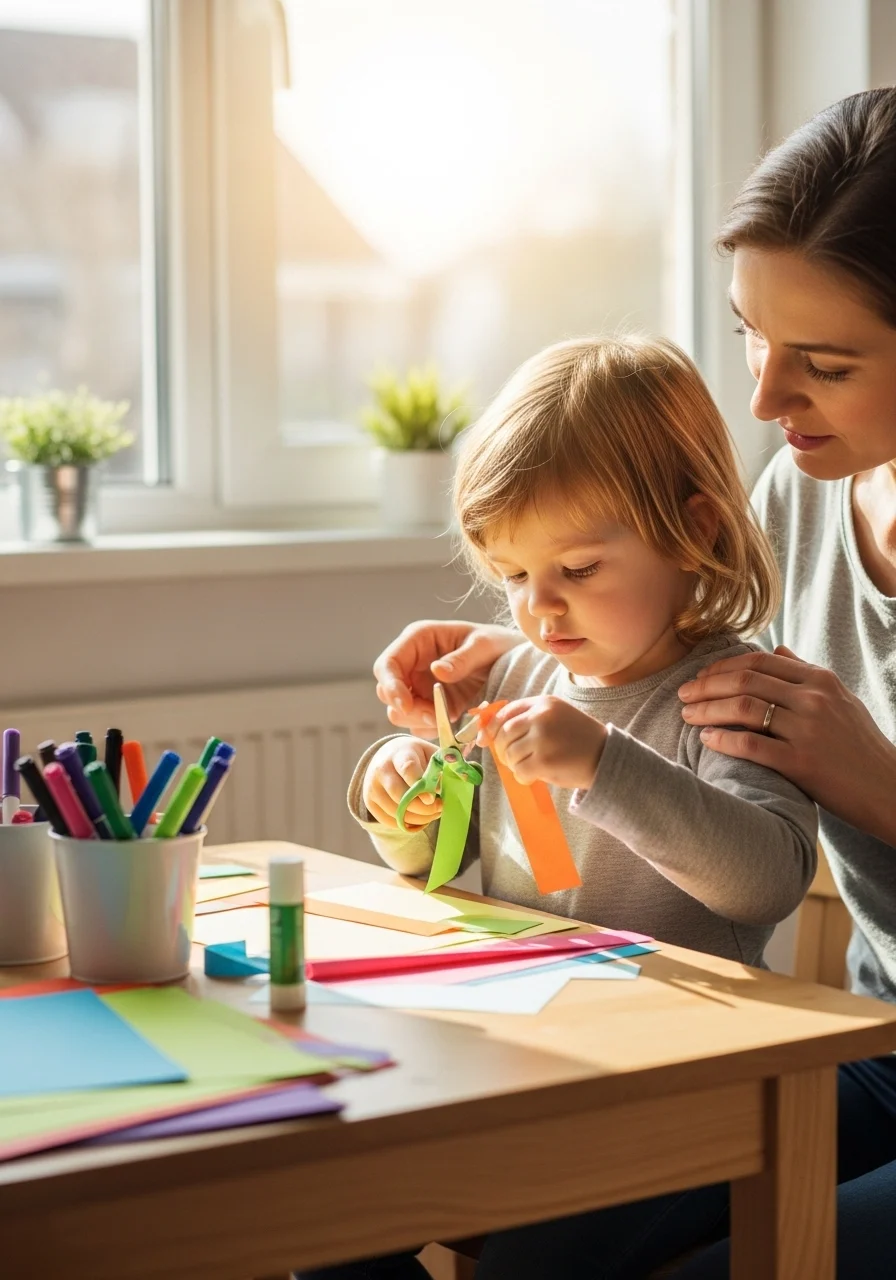
Cutting with safety scissors builds hand strength and bilateral coordination. Start with thick paper strips and demonstrate slow snips. Cutting supports the hand motions needed for writing and daily tasks. It’s also a creative break during craft time that feels purposeful.
Why This Works
- Improves hand coordination and bilateral use
- Strengthens the muscles used for handwriting
- Teaches careful tool use and focus
- Provides creative satisfaction
Quick Tips
- Use thick, easy-to-cut paper for beginners
- Demonstrate and guide the first few snips
- Let them cut along simple lines or shapes
- Supervise closely for safety
- Store scissors where they’re easily accessible
10. Lacing Cards Storytime
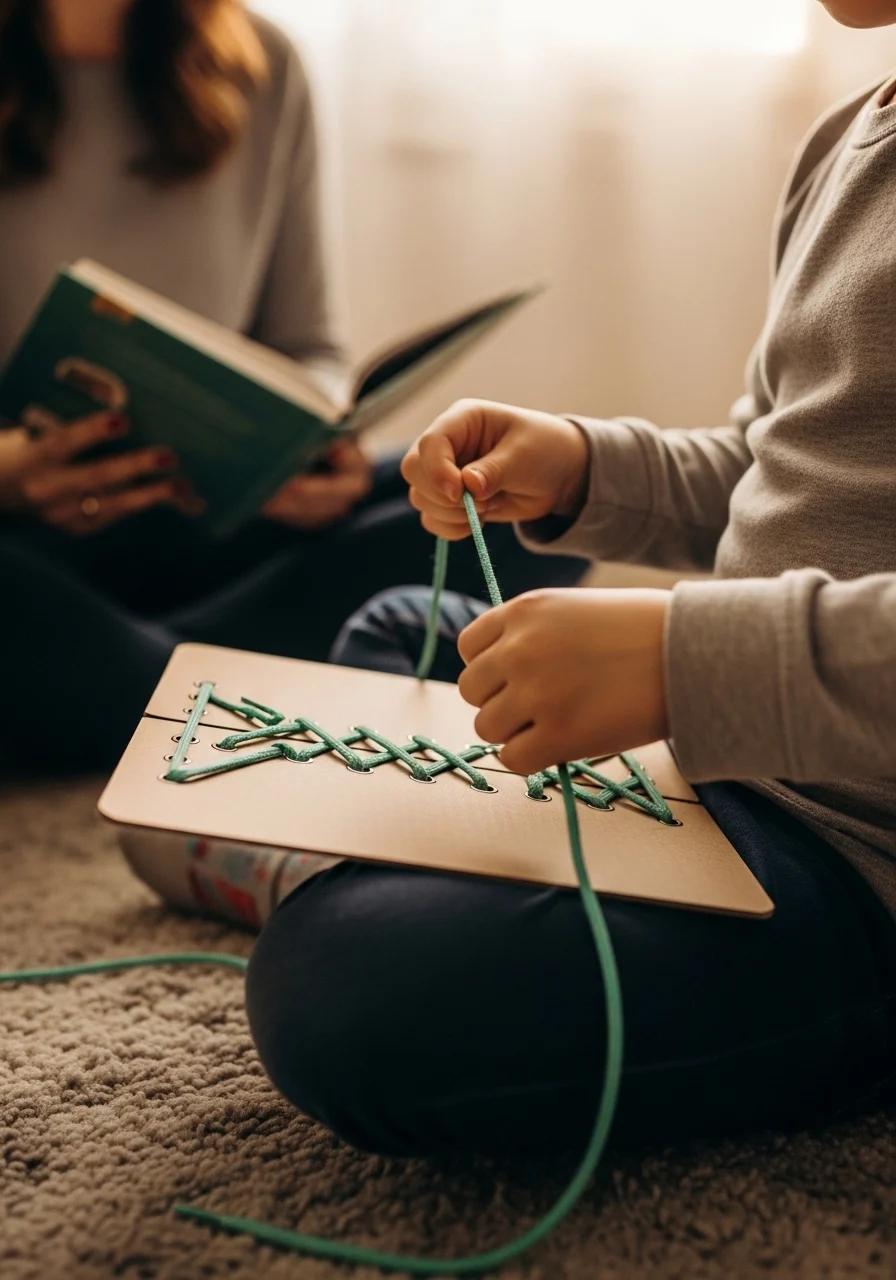
Lacing cards combine fine motor practice with storytelling. Have your child lace while you narrate a short tale or sing a song. This supports hand-eye coordination and sequencing in a way that feels like a shared moment rather than formal practice.
Why This Works
- Develops precise finger movements and sequencing
- Promotes attention during quiet, cozy times
- Encourages language through paired storytelling
- Scalable difficulty with hole size and pattern
Quick Tips
- Use large holes and thick laces for starters
- Create themed cards to match current interests
- Sit close and model lacing slowly
- Praise effort and try one pattern at a time
- Keep laces short for easier handling
11. Spoon Transfer Water Play
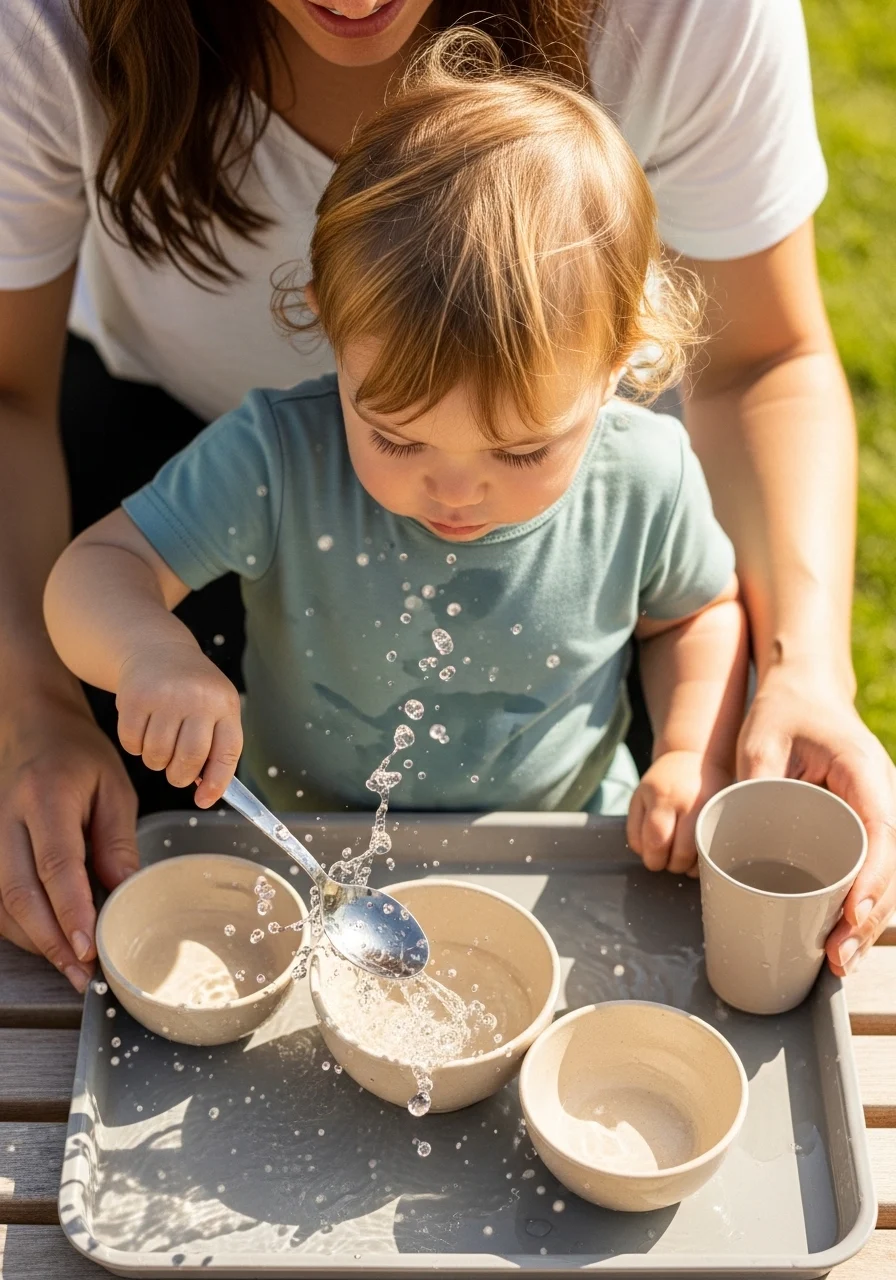
Transferring water with a spoon builds control and coordination while being a calming sensory activity. Use two bowls and let your child scoop and pour slowly. It connects to meal routines and cleaning habits and feels like gentle play rather than a drill.
Fine Motor Activities for Kids That Build Skills like this one are perfect for quiet afternoon play.
Why This Works
- Teaches controlled movements and steady hands
- Supports bilateral coordination and focus
- Offers calming sensory feedback
- Links fine motor practice to everyday chores
Quick Tips
- Do this outside or on a waterproof mat
- Use different sized spoons for challenge
- Add small cups for sorting and counting
- Guide hand placement gently when needed
- Keep sessions short and playful
12. Pasta Threading Necklace
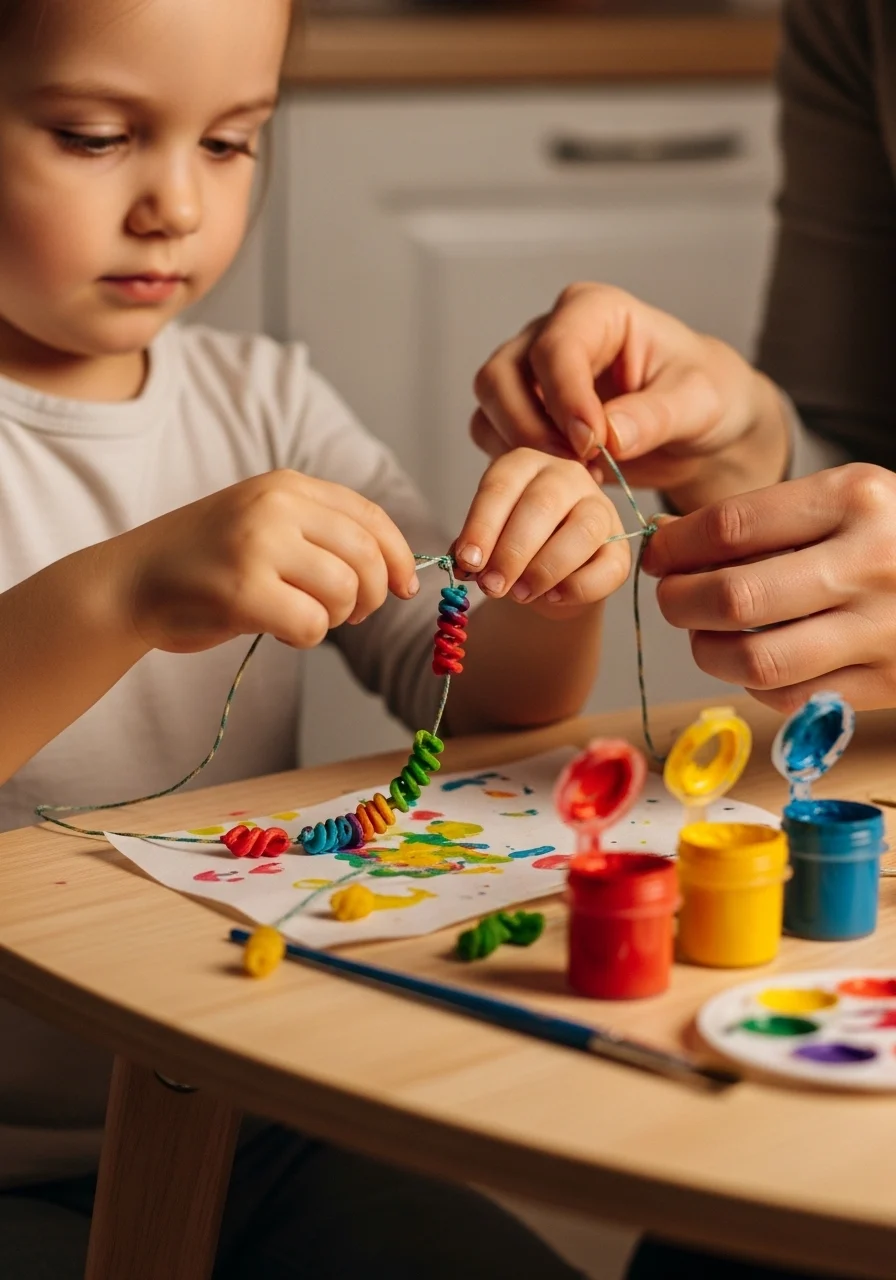
Dye large pasta shapes and let your child thread them on string. Threading supports precision and patience, and painted pasta adds a sensory element. The final necklace is a proud keepsake that links the skill to a tangible result, boosting emotional reward.
Why This Works
- Develops fine motor coordination and timing
- Encourages creativity and sensory play
- Provides a visible, rewarding outcome
- Teaches patience and following a process
Quick Tips
- Use thick yarn to start
- Pre-poke holes in pasta for very young children
- Turn it into a color pattern activity
- Hang finished necklaces as art
- Supervise closely for choking hazards
13. Pegboard Pattern Play
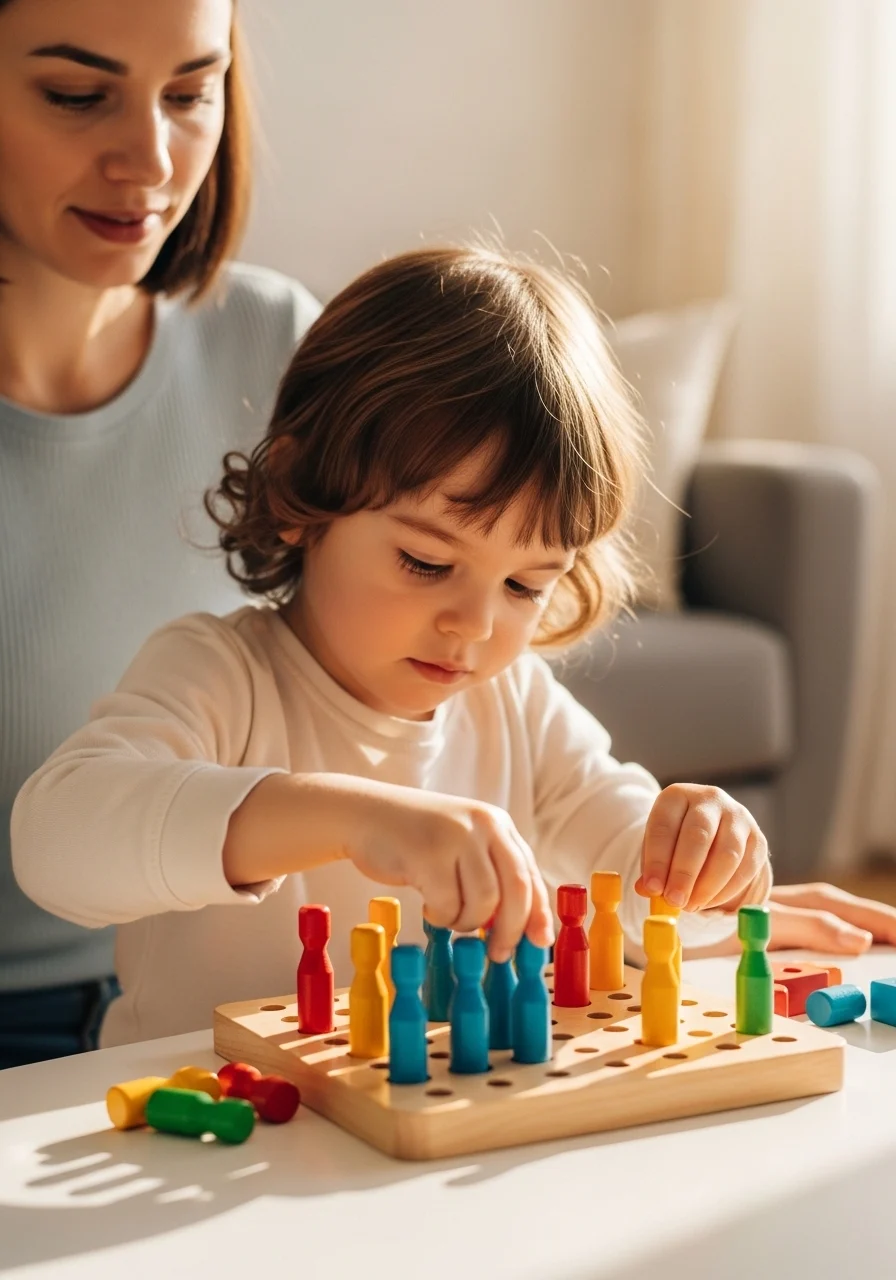
Pegboards are classic for a reason. Pressing pegs improves grip strength and precision while arranging patterns reinforces planning and visual skills. It’s a quiet activity you can leave out for free play or use as a short focused practice after meals.
Why This Works
- Boosts fingertip strength and accuracy
- Promotes pattern recognition and sequencing
- Supports concentration and problem-solving
- Works for a range of developmental stages
Quick Tips
- Start with large pegs for easier handling
- Ask your child to copy simple patterns
- Introduce timed challenges for older kids
- Keep pegboards accessible for independent play
- Praise effort and completed patterns
14. Cloth Tearing Collage
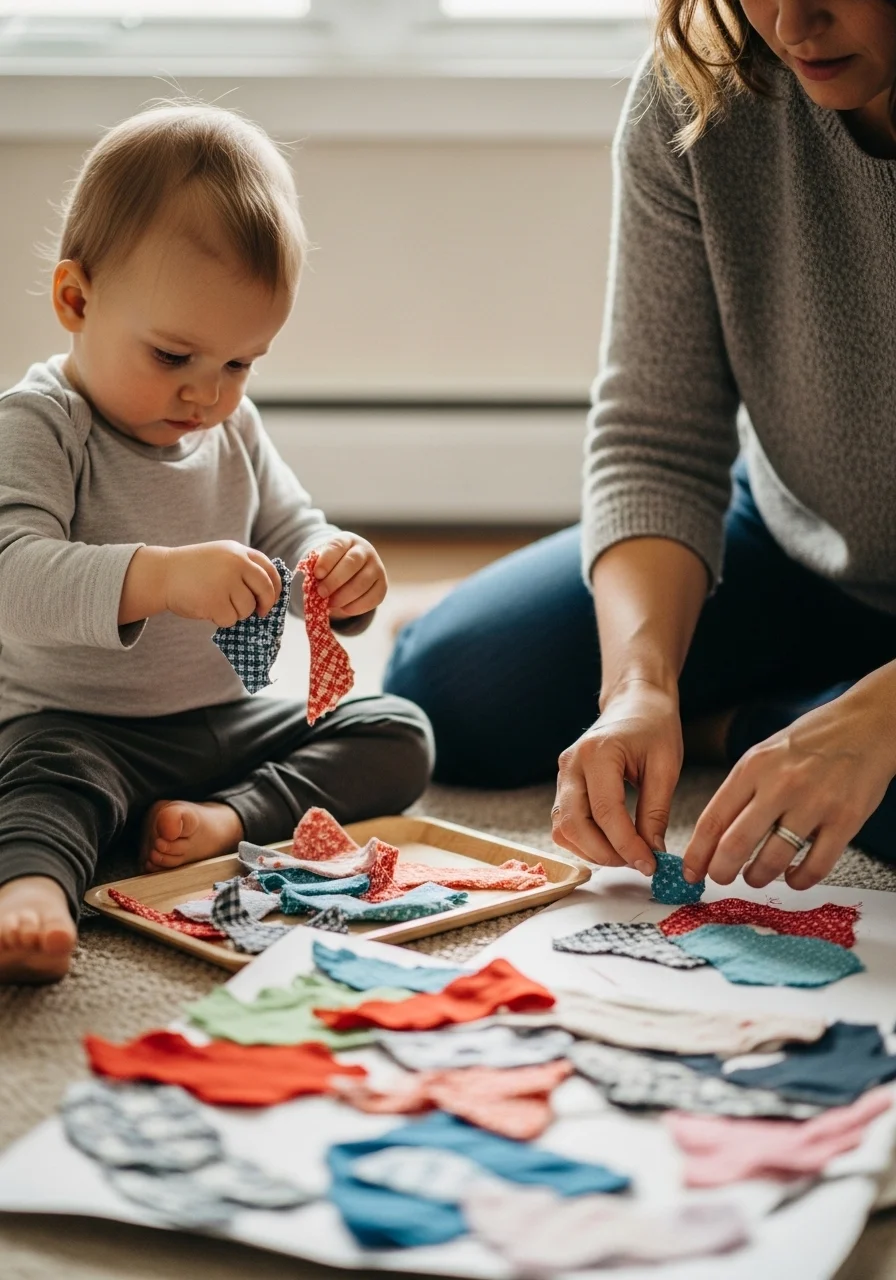
Tearing soft fabric or paper builds hand strength and bilateral coordination with less mess than ripping heavy materials. Let your child tear strips to glue into a collage. It’s a sensory, tactile activity that also teaches cause and effect and fine motor control.
Why This Works
- Strengthens hand muscles through controlled force
- Encourages bilateral coordination and sequencing
- Supports creative expression and focus
- Feels practical for crafting and quiet time
Quick Tips
- Use scrap fabric or tissue paper for easy tearing
- Guide initial tears until confidence grows
- Turn collages into seasonal art for display
- Supervise closely to avoid swallowing small bits
- Keep glue and papers within reach
15. Chalk Drawing on Sidewalk
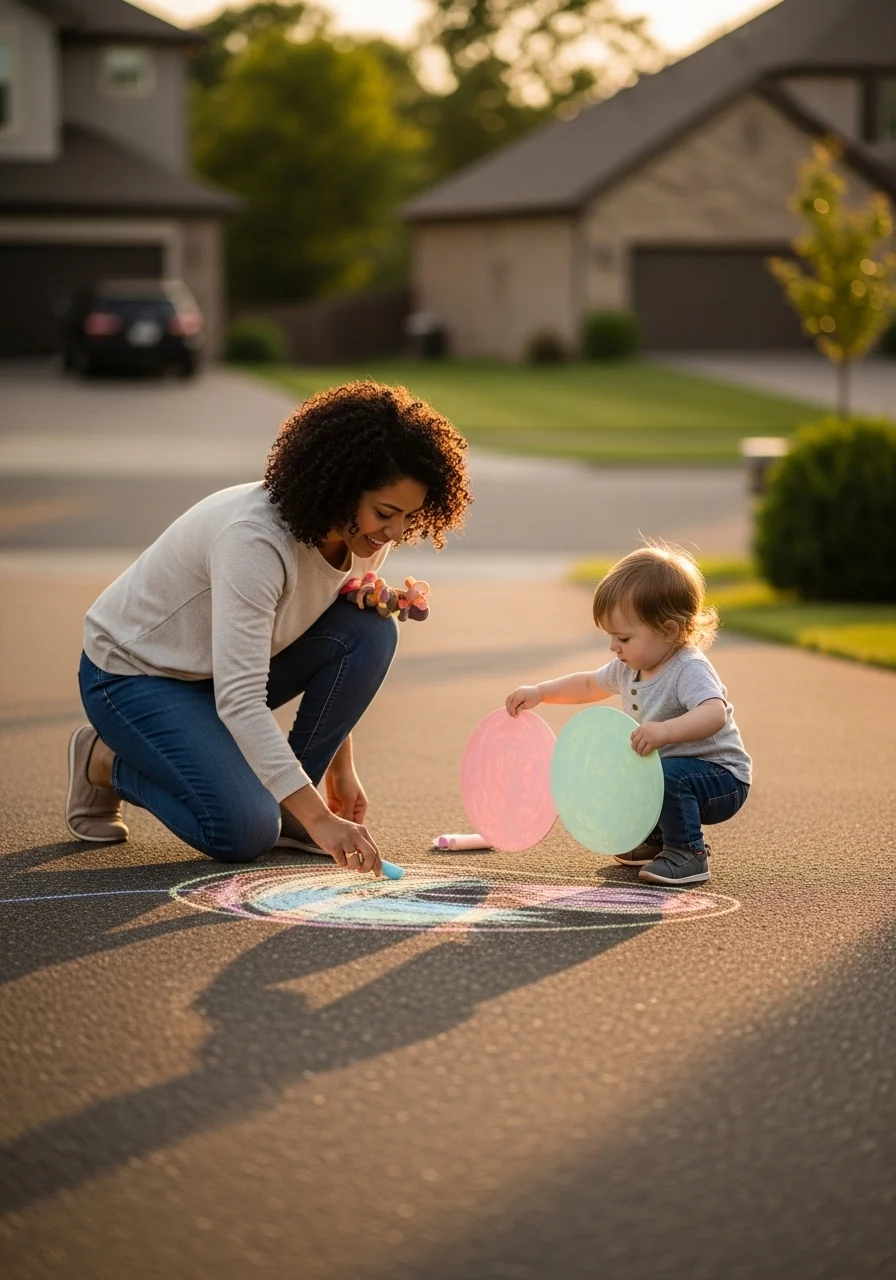
Drawing with sidewalk chalk encourages large arm movements that gradually refine into finer strokes. Encourage your child to trace shapes, draw letters, or copy simple patterns. This outdoor practice supports wrist control and planning in a playful, open-air setting.
Fine Motor Activities for Kids That Build Skills are not all small-scale; this one links gross and fine control.
Why This Works
- Builds wrist stability and hand control for writing
- Encourages planning and visual-motor coordination
- Offers outdoor, low-pressure practice time
- Boosts creativity and physical movement
Quick Tips
- Use big shapes then move to details
- Encourage tracing around hands for self-awareness
- Try drawing letters during quiet afternoons
- Keep chalk in a bucket for easy access
- Praise attempts and discuss progress
16. Small Block Stacking Challenge
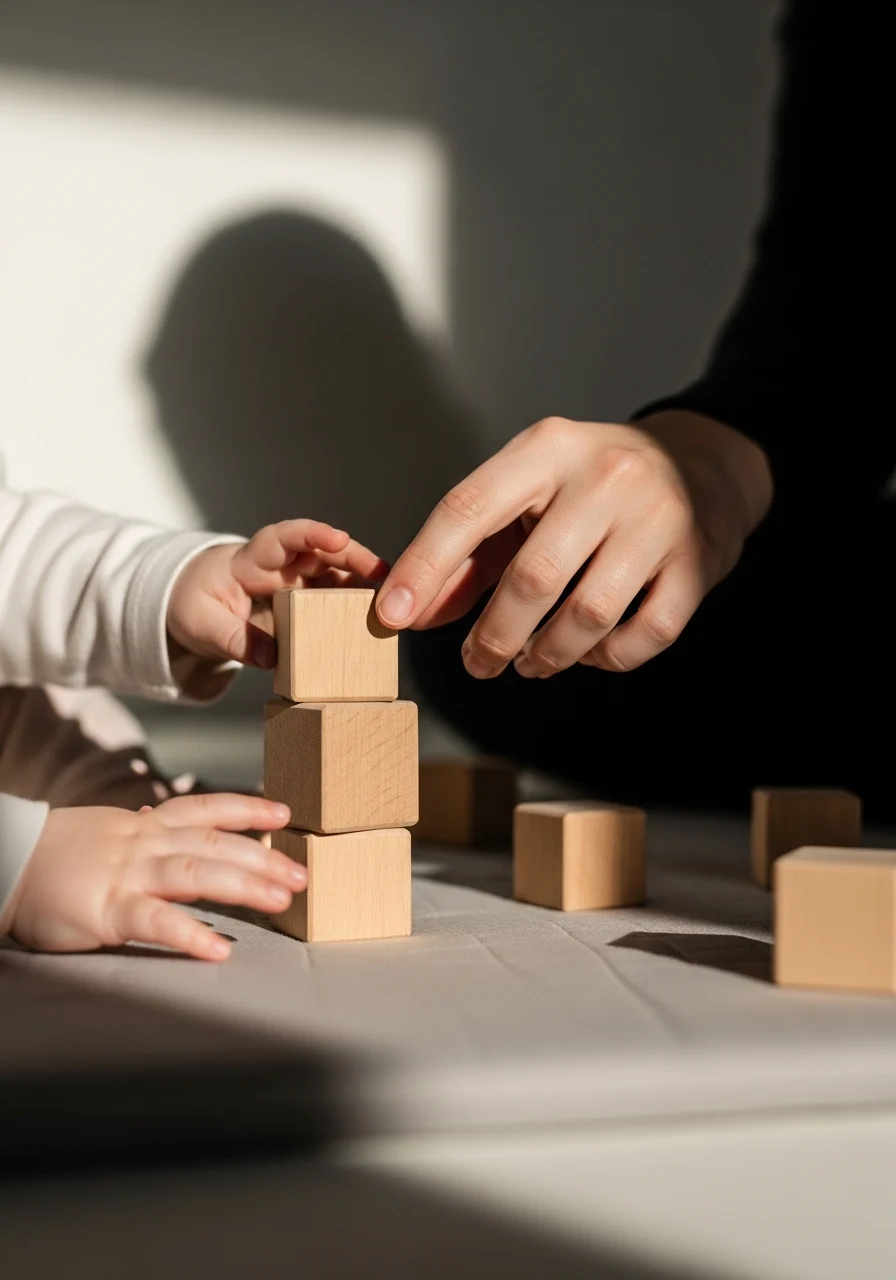
Stacking small blocks builds precision, timing, and planning as children adjust pressure and placement. Turn it into a brief challenge to build towers of a certain height. Blocks also encourage spatial thinking and cooperative play when you build together.
Why This Works
- Teaches precise hand movements and timing
- Encourages planning and problem-solving
- Supports bilateral coordination and focus
- Feels playful and social when done together
Quick Tips
- Start with larger blocks and move to smaller ones
- Use counting to add a learning layer
- Build together for bonding and modeling
- Stop before frustration sets in to keep it fun
- Store blocks where your child can reach them
17. Dropper and Paint Mixing
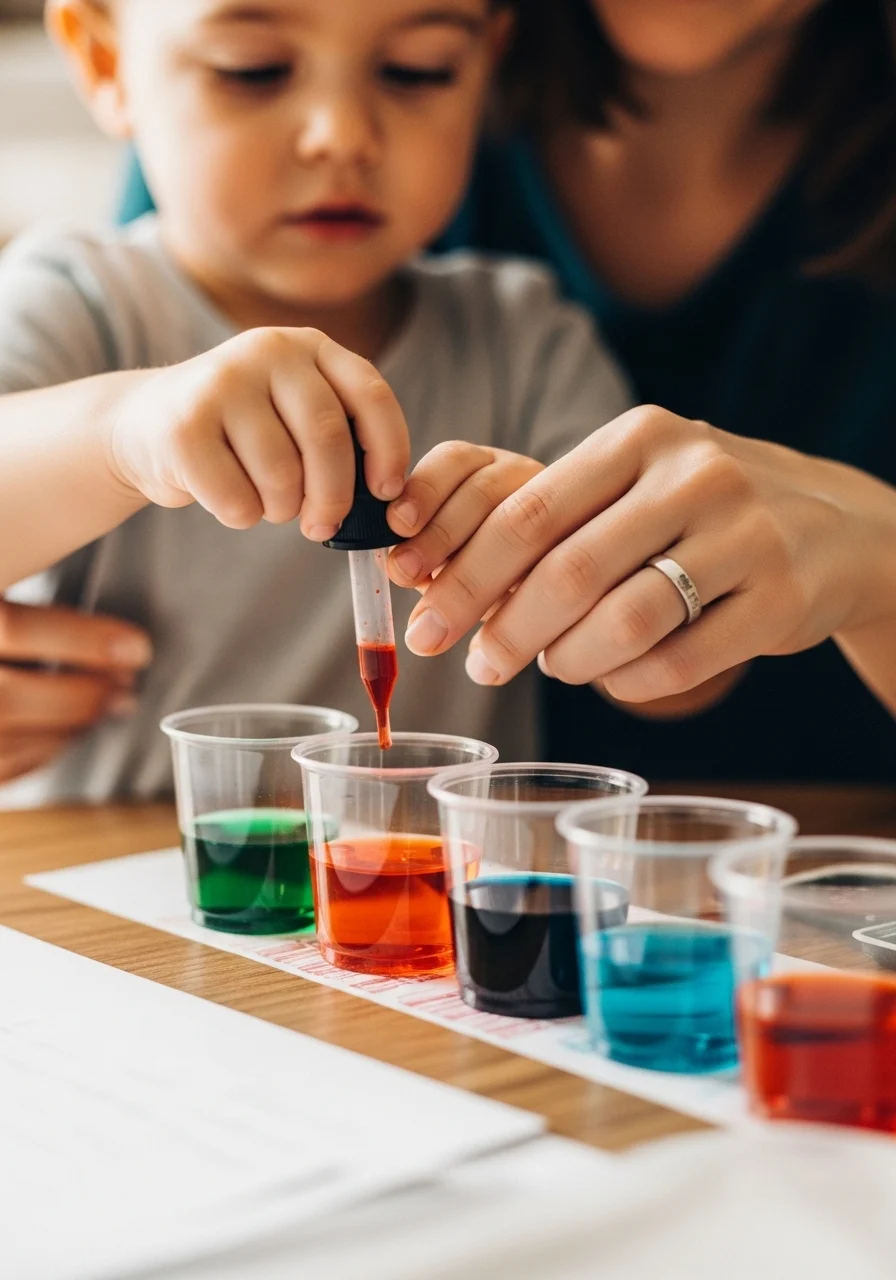
Using droppers strengthens hand control and finger pressure awareness. Mix colors or move tiny amounts of water between cups. The precision required helps children learn graded hand pressure and careful release, skills that translate to writing and self-care tasks.
Why This Works
- Teaches controlled pressure and release with fingers
- Builds delicate hand muscles and coordination
- Encourages scientific curiosity and observation
- Fits into calm, focused activity time
Quick Tips
- Use non-toxic food coloring for safe mixing
- Offer clear cups so color changes are visible
- Start with large droppers for beginners
- Combine with counting for extra learning
- Supervise to avoid spills and ensure safety
You’ve now got 17 practical Fine Motor Activities for Kids That Build Skills ready to try in bite-sized moments throughout the day. These ideas fit into feeding, play, and calm routines so you can support development without extra pressure. Pin or save this list for quick reference when you need a short activity between chores or during quiet time. Which of these will you try first with your child today?