
As a new parent, you may notice your baby acting fussy or drooling more than usual. These could be signs of baby teething symptoms. Teething is when a baby’s first teeth start to come in. It can cause some discomfort, but most babies get through it just fine.
In this article, we will explain the main signs of teething. We will also cover when it starts, how teeth come in, and ways to help your baby feel better. Let’s learn how to spot these symptoms early.
The 7 Main Baby Teething Symptoms
Here are the most common baby teething symptoms. If your baby shows three or more of these, it is likely teething. We list them with simple explanations.
1. Biting on Things More Often
You might notice your baby suddenly wants to chew on everything toys, fingers, even the edge of a spoon. It’s not just random! This new habit often means something exciting is happening your little one’s gums might be preparing for their very first teeth.
Chewing helps them soothe that strange tingling feeling in their mouth. So don’t be surprised if they grab anything within reach it’s just their tiny way of exploring and finding comfort.
Why it happens: The gums feel itchy and sore. Biting helps ease the feeling.
What to do: Give your baby a clean teething toy from the fridge. The coolness can help.
2. A Lot of Drool
Babies can drool a lot sometimes so much that their clothes or bibs stay damp all day! It might look messy, but it’s actually a normal part of their growth.
Drooling often starts when their salivary glands become more active, especially as they explore the world by putting everything in their mouths.
But is it always about teething? Not necessarily. Sometimes it’s just your baby’s way of learning to manage all that extra saliva. Either way, it’s one of those adorable (and slightly soggy) signs that your little one is growing and developing just as they should.

Why it happens: The body makes extra saliva to keep the gums wet and calm.
What to do: Use a bib and wipe the face often to stop rashes.
3. More Fussiness, Especially at Night
Your baby might seem extra cranky or restless, especially when the sun goes down. You may notice more crying, shorter naps, and frequent night wakings. It can feel confusing what’s suddenly changed?
But this phase often has a reason behind it, whether it’s a growth spurt, teething, or just your little one adjusting to something new.

Why it happens: The pain feels worse when it is quiet and there are no distractions. What to do: Comfort your baby with hugs or a gentle gum massage before bed.
4. Changes in Sleep
As your baby grows, you might start noticing some changes in their sleep routine. Those long, cozy naps may suddenly become shorter or disappear altogether. You may even find your little one waking up earlier than usual, ready to play when you’re still half asleep.
But don’t worry this is a normal part of development. As babies grow, their brains and bodies are constantly changing. They need less daytime sleep and more time exploring the world around them.
Still, it can leave many parents wondering, “Why is my baby’s sleep changing so suddenly?” or “Am I doing something wrong?” The truth is, these shifts are often signs of progress your baby is learning new skills, becoming more aware, and adjusting to new routines.
Why it happens: The discomfort makes it hard to sleep well.
What to do: Keep a calm bedtime routine with soft lights and quiet sounds.
5. Low Fever, Rashes, Cough, or Loose Stools
Sometimes, your little one might show mild signs like a low grade fever (below 100°F), rosy cheeks, a light cough, or even a few loose stools. These tiny changes can leave you wondering is it just a phase, teething, or something else?
While these symptoms are often harmless and part of your baby’s normal growth, it’s always good to keep an eye on how your baby feels and behaves. Every small sign tells a story about what’s happening inside their growing body.
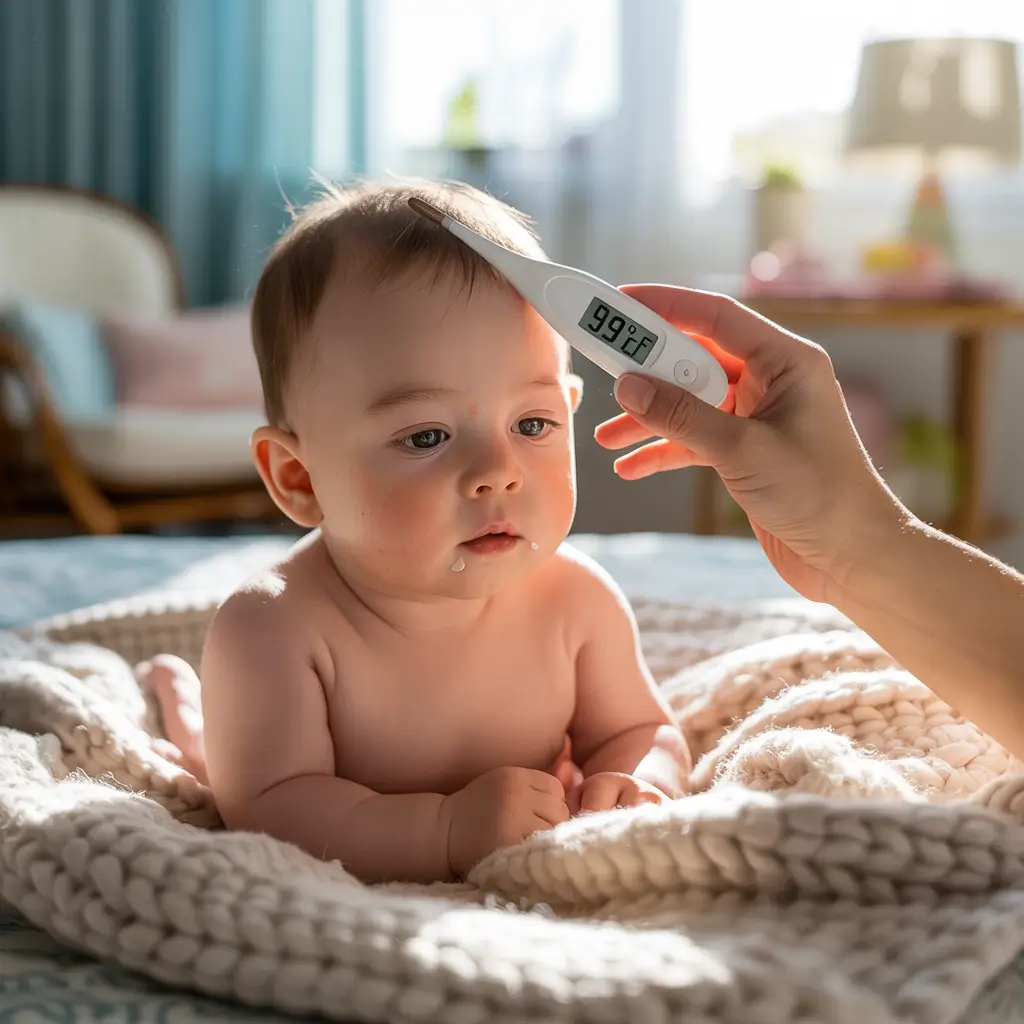
Why it happens: Drool can irritate the skin or throat. Some doctors say these signs are not always from teething, but many parents notice them.
What to do: Watch closely. If the fever goes over 100.4°F or lasts more than a day, call your doctor.
6. Less Interest in Food
You might notice your baby isn’t eating as much as usual even their favorite foods don’t excite them right now.
Don’t worry, this can happen for many reasons. Sometimes it’s a growth phase, teething, or simply a change in appetite. It’s one of those little mysteries of babyhood that keeps parents wondering, “What’s going on this time?”
Why it happens: Sore gums make sucking or chewing hurt.
What to do: Offer soft, cool foods like yogurt. Keep trying to feed them to stay healthy.
7. Pulling on Ears or Rubbing the Face
Ever noticed your baby tugging on their ears or rubbing their cheeks and chin? It might look random, but it’s actually their little way of communicating something. Sometimes it’s just comfort or exploration other times, it could mean they’re tired, teething, or even feeling a bit uncomfortable.
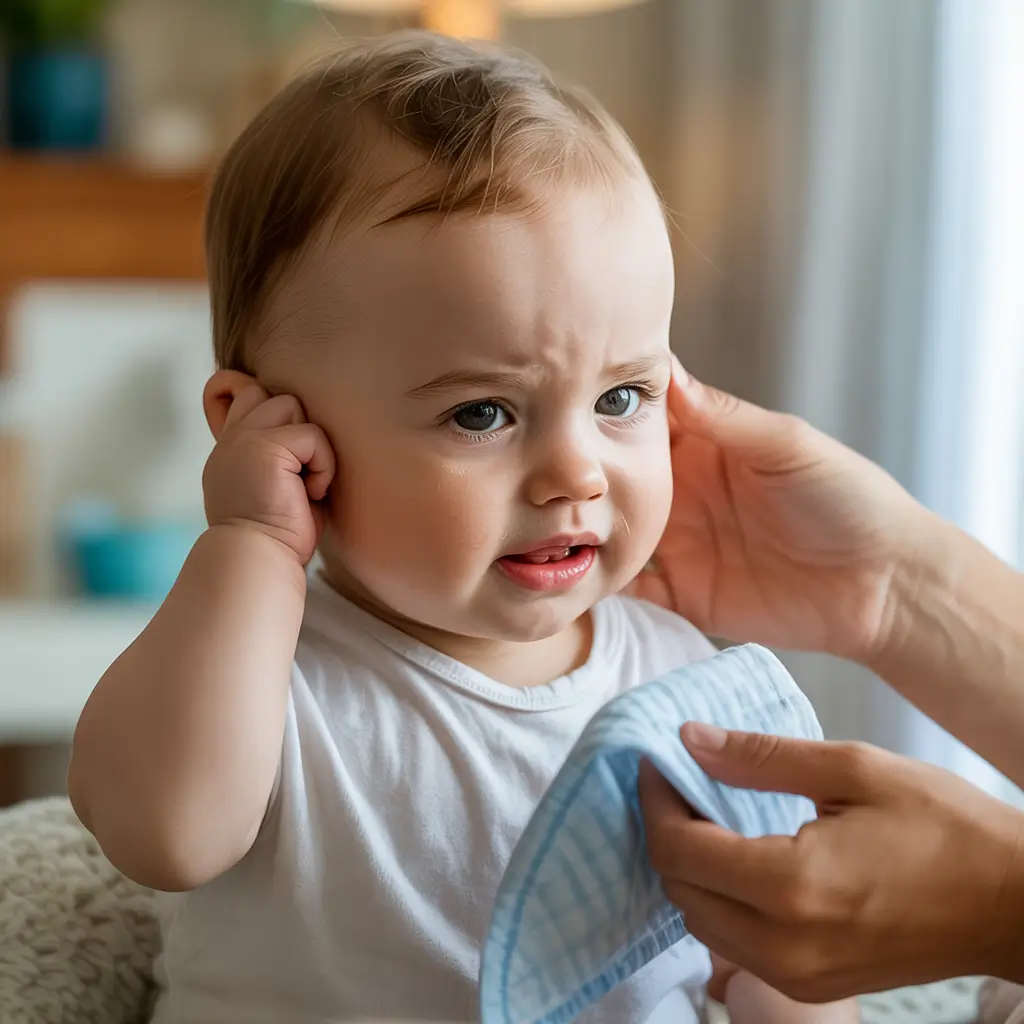
Why it happens: This puts pressure on the sore areas to feel better.
What to do: Help by gently rubbing the gums or giving a cool cloth to chew.
These baby teething symptoms can help you know what is going on. Remember, every baby is different.
When Does Teething Usually Start?
Teething often begins between 6 and 10 months of age. However, baby teething symptoms can appear 2 to 3 months before the first tooth shows up. This means some babies as young as 3 or 4 months might start feeling it.
Not every baby has a hard time with teething. Some show only a few signs, while others have more. If you see changes in your baby’s behavior, keep an eye on it and talk to your doctor if needed.
A Simple Chart for Baby Teeth Order
Teeth come in a usual order, but it can vary. Here is a basic chart to show when each type might appear. This can help you prepare.
| Tooth Type | Age It Comes In (Months) | Notes |
|---|---|---|
| Lower Front Teeth (Central Incisors) | 6–10 | These are often the first. |
| Upper Front Teeth (Central Incisors) | 8–12 | They match the bottom ones. |
| Side Front Teeth (Lateral Incisors) | 9–16 | They fill out the front smile. |
| First Back Teeth (Molars) | 13–19 | Good for chewing bigger foods. |
| Pointy Side Teeth (Canines) | 16–22 | These help with biting. |
| Second Back Teeth (Molars) | 23–33 | The last ones, for a full set of 20. |
Some babies get teeth early or late. It is normal if the first tooth comes at 12 months or later.
Ways to Help with Teething Pain
You can make your baby more comfortable with these simple steps:
- Use Cold Items: Put a wet cloth in the freezer for a short time. Let your baby chew it to numb the gums.
- Add Pressure: A firm teething toy or your clean finger can press on the sore spots.
- Try Gentle Herbs: Soak a cloth in weak chamomile tea, chill it, and let your baby chew. Ask your doctor first.
- Build Up Health: Give foods with vitamin C, like mashed fruits, to help the body fight off bugs.
- Medicine if Needed: For pain or fever, use baby acetaminophen. Always check with your doctor on the dose.
Skip things like amber necklaces. They can be a choking risk and may not help much.
What Other Parents Say
Many parents share stories about teething. One mom said, “My baby at 5 months drooled a lot and pulled her ears. Two teeth came in soon after.” Another dad noted, “The fussiness lasted a week, but cold toys helped us all sleep better.” If you have a story, share it in the comments.
Final Thoughts
Baby teething symptoms are a normal part of growing. With these tips, you can spot them and help your little one. Soon, those first teeth will bring big smiles. If symptoms seem bad or last a long time, talk to your pediatrician. You are doing a great job!