If you’re trying to get pregnant, you’ve probably searched online for ways to improve fertility and found hundreds of mixed answers. Some say eat this, others say avoid that. The truth is, fertility is a mix of many small things working together: your diet, hormones, sleep, stress, and even your timing.
This article breaks everything down into simple, real life tips you can follow to support your body and boost your chances of conception.
1. Maintain A Healthy Weight
Your weight plays a big role in your fertility. Being too underweight or overweight can make it harder for your body to ovulate, which means your eggs may not release properly each month.
Ask your doctor to help you determine a healthy BMI range for your body. Aim for slow, steady changes about 0.5 to 1 kilogram per week.

Move your body every day with activities you enjoy, such as walking, cycling, dancing, or swimming. Avoid extreme diets or excessive high-intensity training, as they can disrupt your hormone balance.
Maintaining a healthy weight supports balanced hormones, helps your body ovulate regularly, and increases your chances of conceiving.
Even a small change losing or gaining just 5–10% of your body weight can make a significant difference in fertility.
2. Eat A Fertility Friendly Diet
What you eat can either support or stress your reproductive system. A “fertility diet” focuses on foods that balance hormones, protect eggs, and help your body work smoothly.
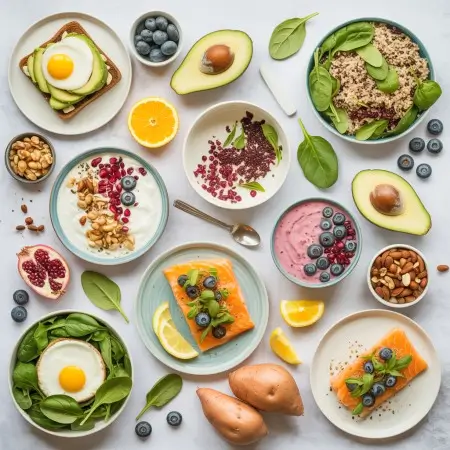
Focus more on eating
- Fruits and vegetables especially leafy greens and berries.
- Whole grains like oats, brown rice, and quinoa.
- Healthy fats like olive oil, avocados, nuts, and fatty fish (like salmon or sardines).
- Plant and fish proteins including beans, lentils, chickpeas, and fish 2–3 times per week.

Try to limit your intake of processed foods and packaged snacks. Cut down on sugary drinks and refined carbohydrates such as white bread, pastries, and sweets.
Avoid foods high in trans fats, including fried and fast foods, as they can negatively affect your overall health and hormonal balance.
A diet full of antioxidants and healthy fats protects your egg cells from damage. It also helps your body make hormones properly. Keeping your blood sugar and insulin steady supports regular ovulation.
Sample one day fertility meal plan:
- Breakfast: Greek yogurt with oats, berries, and chia seeds
- Snack: Almonds and an orange
- Lunch: Quinoa salad with salmon and olive oil dressing
- Snack: Carrot sticks with hummus
- Dinner: Lentil stew with steamed greens and whole-grain bread
Think of this as a Mediterranean style diet fresh, colorful, and sustainable.
3. Take Helpful Supplements (With Your Doctor’s Advice)
Even with a good diet, some nutrients are tricky to get enough of. Supplements can fill in the gaps and prepare your body for pregnancy.
Most recommended:
- Folic Acid (400–800 mcg): Start before trying to conceive. It supports early baby development and prevents birth defects.
- Vitamin D: Low levels can affect hormone balance. Ask your doctor to check your levels.
- Omega-3 (DHA/EPA): Supports hormone health and egg quality.
- CoQ10: May support egg energy and quality, especially for women over 35.
Important note: Always talk to your healthcare provider before starting new supplements. Everyone’s body is different, and doses should be tailored to you.
4. Track Your Cycle and Time It Right
One of the easiest ways to improve fertility is by knowing when your body is most fertile. To track this you can
- Use a period tracking app or ovulation predictor kit (OPK).
- Watch for signs like clear, stretchy cervical mucus (a sign ovulation is near).
- Your fertile window is about 5 days before ovulation through the day you ovulate.

Best timing: Have sex every 1–2 days during your fertile window. Sperm can live for up to 5 days, but the egg lasts only about 24 hours.
Having sex at the right time can boost your chances of getting pregnant. In fact, timing often helps more than other lifestyle changes.
5. Improve Egg Quality
Egg quality declines with age, but healthy habits can help slow that process and create the best environment for conception.

Doing it is easy than you thought. Here is what you can do
- Eat foods rich in antioxidants (berries, greens, nuts, seeds).
- Avoid smoking and heavy alcohol use.
- Keep your blood sugar and thyroid levels in check.
- Consider CoQ10 or inositol supplements if recommended by your doctor.
Why it helps: Good blood flow, balanced hormones, and fewer toxins keep your eggs healthy. They protect the egg’s DNA and energy both are important for fertilization.
6. Manage Stress and Get Enough Sleep
Stress can interfere with your hormones and ovulation. While it doesn’t always cause infertility, it can make cycles irregular and affect libido.
Use these simple exercises to manage your stress levels
- Try mindfulness, meditation, or gentle yoga.
- Go for a short daily walk outdoors.
- Set a bedtime routine and aim for 7–9 hours of sleep each night.
- Avoid screen time and caffeine before bed.
Less stress means lower cortisol levels, more balanced hormones, and better sleep all of which make your body more ready for pregnancy.
7. Avoid Fertility Harming Habits and Toxins
Some daily habits or chemicals can quietly harm fertility. These in turn will decrease your egg count and could potentially delay ovulation period.
To keep your fertility at it’s maximum, remember to say NO to these things
- Smoking: damages eggs and causes early menopause.
- Too much alcohol: affects ovulation and hormone balance.
- Too much caffeine: keep it under 200 mg per day (about 1–2 cups of coffee).
- Endocrine disruptors: chemicals found in plastics, pesticides, and some beauty products.

Toxins are found in most of the products that we consume or use daily. The must tips that I use to keep my fertility at its best are
- Use glass or stainless steel instead of plastic bottles.
- Choose clean skincare and cleaning products.
- Keep your home well ventilated when using sprays or chemicals.
Avoiding these toxins protects not only your fertility but also your future baby’s health.
8. Exercise Smart Not Too Little, Not Too Much
Exercise has a dose-dependent relationship with female fertility. That means both too little and too much exercise can negatively impact reproductive health but for different reasons.
Moderate Exercise: The Fertility Sweet Spot
About 150 minutes of moderate activity per week (e.g., brisk walking, light jogging, yoga, swimming).
Benefits:
- Improves ovulatory function and menstrual regularity.
- Helps maintain a healthy BMI (body mass index).
- Reduces insulin resistance (important for PCOS patients).
- Balances stress hormones like cortisol.
- Enhances blood circulation to the reproductive organs.
For most women, moderate, consistent exercise supports fertility by improving hormonal balance and metabolic health.
Know When to See A Doctor
Lifestyle changes help a lot, but sometimes you need medical guidance too.
A fertility specialist can do simple tests to find what’s causing the problem. They can treat the issue and guide you on what to do next whether it’s medicine or fertility treatments.
- If you’re under 35 and have been trying for 12 months.
- If you’re 35 or older and have been trying for 6 months.
- If you have PCOS, thyroid issues, endometriosis, or irregular cycles.
Small Steps Make Big Changes
Improving fertility doesn’t happen overnight, but every small change helps your body prepare for a healthy pregnancy.
Focus on progress, not perfection.
Here’s a quick summary:
| Step | What to Focus On | Why It Helps |
| Healthy Weight | Balanced BMI | Restores ovulation |
| Fertility Diet | Whole foods & healthy fats | Hormone support |
| Supplements | Folic acid, Vitamin D, Omega-3 | Prepares body |
| Cycle Tracking | Know fertile window | Increases timing accuracy |
| Stress Management | Sleep, yoga, walks | Balances hormones |
| Toxin Reduction | Quit smoking, limit alcohol | Protects eggs |
| Exercise | Moderate & consistent | Boosts blood flow |
Final Thoughts: Your Path to Better Fertility
To improve fertility, focus on creating a healthy, balanced lifestyle.
Eat nourishing foods, manage stress, track your cycle, and take care of your body gently and consistently.
Remember, these steps boost your chances but every woman’s journey is unique.
Always talk to your doctor before making big health changes or starting supplements.
Be patient with your body the small, steady things you do today can make a big difference tomorrow