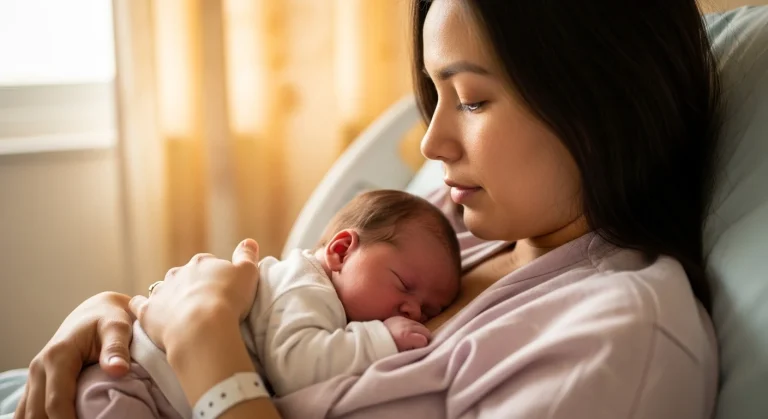
Bringing a baby into the world is often described as one of life’s most joyful experiences.Many new mothers feel overwhelmed, sad, or deeply hopeless during the postpartum period.
Feeling down after having a baby isn’t a sign of weakness or less love for your baby. It could be postpartum depression (PPD), a real medical condition. Knowing about PPD helps mothers, partners, and families spot the signs and get the right help.
What Is Postpartum Depression?
Postpartum depression is a mood disorder that can affect women after childbirth. New parents may feel brief mood swings or stress. Postpartum depression (PPD) causes ongoing sadness, hopelessness, or emptiness.
It can make it hard for a mother to connect with her baby, handle daily tasks, or take care of herself. It’s not a personal weakness it’s a medical condition that needs understanding and treatment.
Postpartum Depression vs. Baby Blues
New mothers often feel the “baby blues” in the first week or two after giving birth. This happens because of hormone changes, lack of sleep, and adjusting to parenthood. You might feel tearful, irritable, or anxious. These feelings usually go away within two weeks. Postpartum depression is more serious and lasts longer. It may need professional help. If you feel very sad, anxious, or hopeless for more than two weeks or if it gets worse, it’s not just the baby blues.
When Does Postpartum Depression Start?
PPD usually starts within weeks after giving birth. It can happen anytime in the first year after delivery. Some women notice symptoms during pregnancy, called perinatal depression.
Postpartum Depression Symptoms
PPD symptoms can vary but often include:
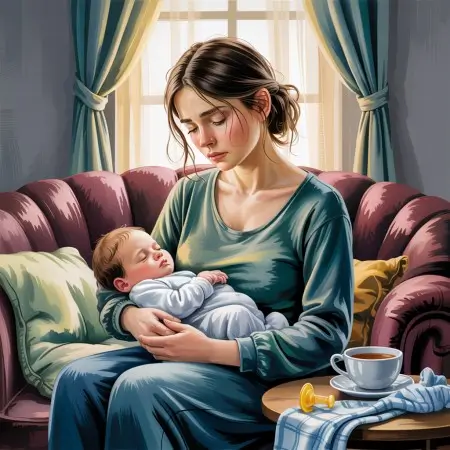
- Persistent sadness, emptiness, or hopelessness
- Loss of interest in activities once enjoyed
- Difficulty bonding with the baby
- Irritability, anger, or extreme mood swings
- Withdrawal from family and friends
- Changes in sleep and appetite
- Feelings of guilt, worthlessness, or shame
- Thoughts of harming oneself or the baby (a medical emergency seek immediate help)
What Causes Postpartum Depression?
1. Hormonal Changes
After birth, estrogen and progesterone levels drop quickly. This affects brain chemistry. It causes mood swings and emotional instability.
2. Sleep Deprivation
Not getting enough rest, common when caring for a newborn, affects your mood and strength. It makes daily stress harder to handle.
3. Stress and Lifestyle Factors
Caring for a newborn is hard. Money problems or lack of support from a partner or family can create a lot of emotional and social stress.
4. History of Depression or Anxiety
Women with mental health issues before pregnancy are more likely to develop postpartum depression (PPD). Past experiences make them more vulnerable.
5. Physical Complications from Birth
Difficult births, C-sections, or perineal injuries can increase emotional stress. This is due to physical pain and recovery difficulties.
6. Thyroid Dysfunction
Postpartum thyroiditis can cause tiredness and mood swings, similar to postpartum depression. It’s often due to hormone imbalances.
7.Lack of Social Support
Feeling alone or unsupported by loved ones can make you feel very overwhelmed.
Treatment for Postpartum Depression
Explore effective treatment options for postpartum depression, offering hope and support for new mothers navigating this challenging phase.
1. Hormone Level Monitoring
Monitoring hormone levels and screening the thyroid helps manage imbalances. Treatment with levothyroxine helps with hypothyroidism.
2. Sleep Management
Take short naps. Get help with newborn care. Try cognitive behavioral therapy for insomnia (CBT-I) to sleep better.
3. Stress Reduction
Create a support network with family, friends, or groups. Use stress-relief methods like mindfulness or yoga.
4. Mental Health Support
If you have mental health issues, get screened early. Adjust treatments before pregnancy. Choose treatments safe for breastfeeding.
5. Physical Recovery Aid
Postpartum physical therapy and counseling help recover from birth complications. They support both physical and emotional needs.
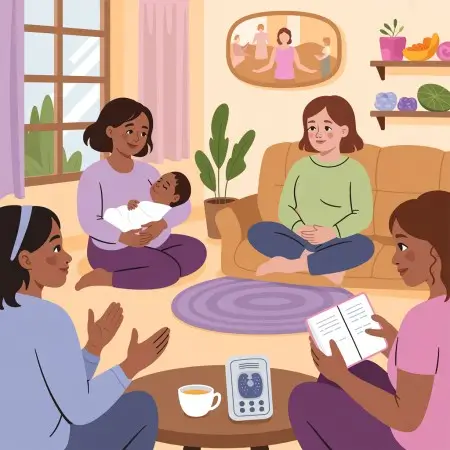
6. Social Connection
Joining postpartum support groups or peer counseling lets you connect with others. It provides emotional support.
7. Professional Treatment
First line treatments include therapy, like interpersonal therapy, and antidepressants, such as SSRIs (sertraline or fluoxetine). These are safe for breastfeeding.
8. Lifestyle Adjustments
Exercise and eat well to stay healthy. Talk to a doctor for personalized advice to improve your well being.
How Long Can Postpartum Depression Last?
Without treatment, PPD can persist for months or even years. With the right help, many women start feeling better within a few weeks to months. Early recognition and treatment can significantly shorten recovery time.
How Common Is Postpartum Depression?
PPD is more common than most people think. Studies estimate that about 1 in 7 new mothers experience postpartum depression. Fathers and partners can also experience postpartum mood disorders, though less frequently.
Risk Factors of Postpartum Depression
Certain factors increase the likelihood of developing PPD, such as:
- Personal or family history of depression or anxiety
- Complicated pregnancy or traumatic birth experience
- Lack of emotional or financial support
- Relationship struggles with a partner
- Premature birth or infant health problems
- Hormonal imbalances or thyroid issues
How to Avoid Postpartum Depression
While it may not always be preventable, there are steps that can reduce the risk:
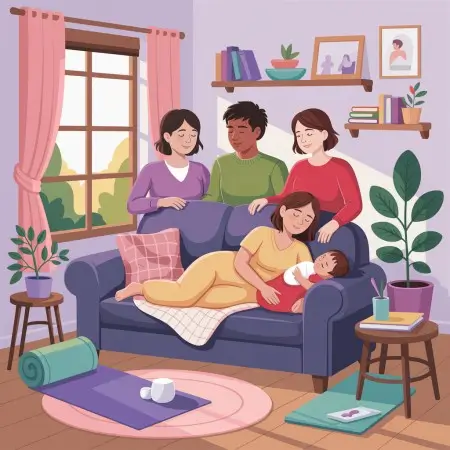
- Build a support network before and after delivery.
- Attend prenatal and postpartum checkups and be open with your provider about mental health concerns.
- Rest whenever possible sleep may be fragmented, but even short naps help.
- Practice self care through gentle exercise, meditation, or hobbies.
- Educate yourself about postpartum mental health so you can recognize early warning signs.
Final Thoughts
Postpartum depression doesn’t mean a mother loves her baby less. It’s a medical condition affecting many women worldwide. Recovery is possible with help. The key step is asking for support from a doctor, therapist, or loved ones. No mother should face it alone.