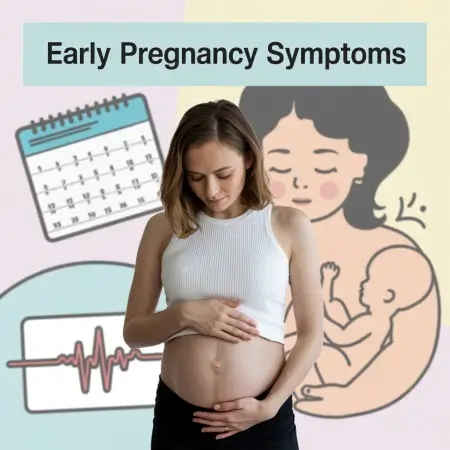
When you are trying to conceive, every little change in your body feels important. You may wonder if what you are feeling is a sign of pregnancy. While only a pregnancy test or doctor’s visit can confirm, knowing the early pregnancy symptoms can give you some helpful clues. Many women start noticing these changes in the first few weeks. Some symptoms are very common, while others may be subtle. Let’s look at 15 early pregnancy symptoms that are medically supported and often reported by women.
Missed Period
The most common and clear early pregnancy symptom is a missed period. If your cycle is usually regular and you skip it, pregnancy may be the reason. Some women also experience lighter or shorter periods, which can be confusing. If you have a missed period and notice other symptoms, it’s time to take a test.

Spotting or Light Bleeding
Not all bleeding means your period is starting. Some women notice light spotting around the time their period is due. This is called implantation bleeding. It happens when the fertilized egg attaches to the lining of the uterus. It usually appears as pink or brown spots and is much lighter than a period.
Breast Tenderness
One of the earliest pregnancy symptoms is sore or swollen breasts. This happens because of rising hormone levels. Your breasts may feel fuller, heavier, or more sensitive. The nipples may also darken. These changes prepare your body for breastfeeding later on.

Fatigue
Feeling unusually tired is another common sign. Your body is producing more progesterone, which can make you feel sleepy. At the same time, your heart works harder to pump blood for both you and your growing baby. This combination often leads to fatigue in the first trimester.
Nausea and Morning Sickness
Nausea, often called morning sickness, can begin as early as two weeks after conception. Despite the name, it can happen at any time of the day. Some women experience mild nausea, while others have stronger symptoms. Morning sickness usually improves after the first trimester, but for some women it lasts longer.
Frequent Urination
Another early pregnancy symptom is needing to pee more often. Hormonal changes increase blood flow to your kidneys, and your uterus starts pressing on your bladder. This makes you visit the bathroom more often, even during the night.
Food Cravings or Aversions
Pregnancy can bring sudden changes in your appetite. You may crave certain foods while avoiding others. Foods you once loved may now smell or taste unpleasant. These cravings and aversions are linked to hormonal shifts and heightened sense of smell.

Mood Swings
Hormones don’t just affect your body they affect your emotions too. Many women report being more emotional or sensitive. You may feel happy one moment and tearful the next. Mood swings are common in early pregnancy and usually improve as your body adjusts.
Bloating
Feeling bloated is another early pregnancy symptom that feels similar to premenstrual symptoms. Higher levels of progesterone slow digestion, which can cause gas and bloating. Wearing loose clothing and eating small meals can help with the discomfort.
Headaches
Hormonal changes and increased blood circulation can trigger headaches in the early weeks. Some women also experience migraines. If headaches become frequent, it’s best to talk to your doctor before taking any medication.

Constipation
Progesterone not only causes bloating but also slows down the digestive system. This can lead to constipation. Drinking plenty of water, eating fiber rich foods, and staying active can help reduce this uncomfortable symptom.
Dizziness or Faintness
Dizziness can happen when blood vessels relax and blood pressure drops. Lower blood sugar may also play a role. If you often feel lightheaded, make sure to eat balanced meals and avoid standing for long periods.
Increased Basal Body Temperature
If you track your basal body temperature, you may notice it stays high after ovulation. A sustained increase for more than two weeks can be an early pregnancy symptom. This method is often used by women who are actively trying to conceive.
Heightened Sense of Smell
Many women report that their sense of smell becomes stronger. Scents that never bothered you before may now seem overwhelming. This heightened sense of smell often contributes to nausea and food aversions.
Back Pain or Mild Cramps
Mild cramping or lower back pain can happen as the uterus begins to expand. While this can feel like premenstrual cramps, in early pregnancy it is usually lighter. Severe cramps or heavy bleeding should always be checked by a doctor.

When to Take a Pregnancy Test
If you notice several of these early pregnancy symptoms, it may be time to take a home pregnancy test. The best time to test is after your missed period. Testing too early can give false results. For more accurate confirmation, a blood test at your doctor’s office can measure pregnancy hormones.
When to Call Your Doctor
Most early pregnancy symptoms are normal and not a cause for worry. However, you should call your doctor if you experience heavy bleeding, severe pain, or extreme nausea. Every pregnancy is unique, and your doctor can guide you on what is normal for your body.
Final Thoughts
Pregnancy brings many changes, and the first signs may show up earlier than you expect. By paying attention to these early pregnancy symptoms, you can understand your body better and take the next steps. Remember, not every woman experiences all of these symptoms, and some may not have any at all. A pregnancy test and medical guidance are the best ways to confirm.
Knowing the signs helps you feel prepared and informed as you begin this exciting new chapter of life.