
You are carrying a lot right now. Between feeding schedules, doctor visits, sleepless nights, and the quiet pressure of being "on" for everyone, a small, steady self care practice can feel lifesaving. These Self Care Ideas Every Overwhelmed Mom Should Try are written for the real moments in your day. They fit into diaper changes, nap windows, pregnancy appointments, and moments of postpartum recovery.
You’ll find practical, gentle ways to refill your energy, soothe your mind, and stay connected to your needs. Each idea is simple, rooted in newborn care, pregnancy or parenting life, and ready to use today. Pick one, try it for a week, and notice the little shifts.
1. 10-Minute Morning Stretch

Start with ten minutes of gentle stretching while baby is nearby or on a safe mat. Focus on neck, shoulders, hips, and lower back. You don’t need a full workout. This helps loosen muscles tightened by feeding and carrying. It also signals your brain that you matter and deserve care. For pregnancy, choose pregnancy-safe movements. Postpartum, take it slow and avoid intra-abdominal pressure if you’re healing.
Why This Works
- Releases tension from feeding and baby-carrying
- Boosts circulation and energy
- Eases common pregnancy and postpartum aches
- Creates a small predictable routine
- Helps reconnect you to your body
Quick Tips
- Use a short guided stretch video
- Breathe slowly for each movement
- Keep stretches under mild discomfort
- Wear supportive clothing
- Do it near the crib during wake windows
- Pause if you feel pain
2. Sit-Down Breakfast Ritual

Give yourself permission to eat seated, without multitasking. Even five focused minutes with warm food and a drink resets your stress level. Use this time to plan one simple goal for the day. During pregnancy, good nutrition matters for you and baby. In the newborn stage, steady meals help with postpartum recovery and breastfeeding. You’ll feel more grounded after one mindful meal.
Why This Works
- Improves digestion and energy
- Encourages mindful eating during busy days
- Supports breastfeeding and postpartum nutrition
- Creates a predictable mini-routine
- Reduces rushed stress responses
Quick Tips
- Prep grab-and-go breakfasts
- Sit near your baby for safe supervision
- Eat protein-rich foods for sustained energy
- Use a slow-sipping hot drink to extend the ritual
- Set a timer for five focused minutes
- Keep a favorite mug reserved for this time
3. Micro Naps (2 to 20 Minutes)

Short naps reset your mind without wrecking nighttime sleep. Two to twenty minutes can clear fog and reduce irritability. Use a quiet corner or your bedroom when baby naps. If you’re breastfeeding, tandem nap when baby sleeps to help with postpartum recovery. Even a brief rest lowers stress hormones and improves patience for parenting tasks.
Why This Works
- Rapid mental refresh without grogginess
- Lowers cortisol and fatigue
- Safe, doable during newborn care windows
- Supports healing in postpartum recovery
- Fits into unpredictable parenting schedules
Quick Tips
- Use an alarm set to 20 minutes
- Dim lights and use white noise
- Nap reclined if full lying down is hard
- Try a guided micro-nap audio
- Nap right after a feed if possible
- Accept short rest as a necessity, not indulgence
4. Five-Minute Mindful Breathing

Stop, close your eyes, and breathe for five minutes. Inhale 4 counts, hold 2, exhale 6. This simple pattern calms your nervous system fast. It’s useful during pregnancy anxiety, postpartum overwhelm, or toddler meltdowns. You can do it holding baby or while nursing. The practice lowers panic, steadies focus, and gives you a quick reset between tasks.
Why This Works
- Calms nervous system quickly
- Reduces anxiety and breathlessness
- Can be done anywhere, anytime
- Helps with pregnancy-related stress
- Supports emotional regulation during parenting
Quick Tips
- Practice before responding to stress
- Use a breathing app for timers
- Breathe into the belly, not the chest
- Pair with gentle hand massage
- Do it during diaper changes or feeding lulls
5. Warm Bath with a Baby Monitor

A warm bath soothes aching muscles and quiets your mind. Use a monitor nearby so you can relax without worry. Add a few drops of safe bath oil if you like. Baths are supportive during pregnancy when comfort allows, and vital for sore postpartum muscles. They give your body a pause and help you sleep better when you carve out the time.
Why This Works
- Relaxes muscles and eases tension
- Creates a private restorative moment
- Helps with postpartum soreness and pregnancy discomfort
- Encourages better sleep afterward
- Simple sensory support for overwhelmed emotions
Quick Tips
- Keep bath time to 15–20 minutes
- Use warm, not hot, water during pregnancy
- Lock the bathroom door for privacy
- Place the monitor where you can see it
- Have a towel and robe within reach
- Hydrate before and after your bath
6. Screen-Free Hour in the Evening

Turn screens off for one hour each evening. Use the time to journal, talk, do a quiet craft, or simply breathe. This reduces digital fatigue and improves sleep. For new parents, it creates space to connect and process the day. In pregnancy, lowering screen time can help reduce anxiety and improve rest. Make it a gentle boundary you can keep.
Why This Works
- Reduces stimulation before bed
- Encourages real connection with partner or self
- Improves sleep quality and mood
- Creates a calming evening routine
- Helps set boundaries during parenting demands
Quick Tips
- Put phones on do not disturb
- Light candles or use dim lamps
- Keep a small activity basket ready
- Invite partner to join for short talks
- Start with 15 minutes if an hour feels big
7. Walk with Baby in a Carrier

Put baby in a carrier and go for a short walk. Fresh air, light movement, and sunlight help lift your mood. Walking is gentle postpartum exercise and supports circulation during pregnancy when cleared by your provider. The motion often soothes fussy babies and gives you a change of scenery. It’s also an easy way to fit self care into parenting life.
Why This Works
- Mild exercise boosts endorphins
- Changes environment for clearer thinking
- Can calm both baby and parent
- Supports physical recovery in postpartum recovery
- Fits into daily newborn care rhythm
Quick Tips
- Use a hip or front carrier for comfort
- Dress in layers for temperature changes
- Aim for 10 to 30-minute walks
- Bring water and a small snack
- Choose flat, stroller-friendly routes if needed
8. Hydration Habit with a Pretty Bottle

Keep a reusable water bottle nearby and sip regularly. Hydration matters for breastfeeding, pregnancy, and general energy. A pretty bottle makes the habit feel kinder and easier to remember. Proper fluids help digestion, mood, and milk supply. You’ll notice small energy boosts and steadier focus when you hydrate through the day.
Why This Works
- Supports milk production and pregnancy needs
- Improves alertness and mood
- Easy, low-effort self care
- Reduces headaches and fatigue
- Fits into nursing and feeding routines
Quick Tips
- Add citrus or cucumber for taste
- Set reminders on your phone
- Refill when you empty the bottle
- Keep a second bottle in the nursery
- Track intake with simple tick marks
9. Two-Minute Gratitude Journal

Write three small things you’re grateful for each morning or night. Two minutes is enough to shift perspective. Choose simple items like a hot cup of tea, a nap, or a small smile from your child. This practice supports emotional resilience during postpartum recovery and the long days of parenting. It helps you notice positives, even when everything feels heavy.
Why This Works
- Focuses attention on small positives
- Builds emotional resilience over time
- Quick and doable during newborn care
- Eases worry and mood swings in pregnancy and postpartum
- Creates a record of good moments to revisit
Quick Tips
- Keep the journal by your bed
- Use bullet points for speed
- Include one sensory detail each time
- Read past entries when stressed
- Keep a gratitude jar if you prefer visuals
10. Partner Check-In Routine

Schedule a five-minute check-in with your partner each evening. Share one need and one win from the day. Small conversations build teamwork and reduce isolation. This helps with parenting coordination, postpartum recovery planning, and balancing responsibilities. It also reminds both of you that parenting is shared, not carried alone.
Why This Works
- Improves communication under stress
- Shares caregiving load transparently
- Supports emotional bonding as parents
- Helps plan for sleep and feeding schedules
- Reduces feelings of overwhelm and isolation
Quick Tips
- Keep it focused and kind
- Use a timer if needed
- Rotate who speaks first
- Note small practical actions to support each other
- Make it a daily habit, even short
11. Childcare Swap with a Friend

Arrange to trade childcare time with a trusted friend. Even one hour can let you nap, run an errand, or simply breathe. Swaps are especially helpful during postpartum recovery and for moms trying to manage fertility treatments or pregnancy symptoms. The social support is restorative and practical. You both get time and company while your children stay safe.
Why This Works
- Provides guaranteed time off for self care
- Builds a local support network
- Eases pressure to be everything at once
- Helps with postpartum recovery needs
- Strengthens friendships through shared parenting
Quick Tips
- Agree on clear timing and expectations
- Start with short exchanges
- Offer help in equal measure
- Keep nearby contact info for safety
- Bring a small gift to thank your swap partner
12. Quick Five-Minute Skin Routine

A short skin routine can feel refreshingly normal. Cleanse, moisturize, and apply SPF if heading out. It takes five minutes and helps you feel put together. During pregnancy or postpartum, sensitive skin needs gentle products. The ritual signals self-care and helps you face the day with a small act of kindness toward yourself.
Why This Works
- Adds a calming, personal ritual into busy days
- Boosts confidence and self-image
- Easy to do during newborn care routines
- Supports skin changes in pregnancy and postpartum
- Low time investment with visible payoff
Quick Tips
- Keep products in the nursery for speed
- Use fragrance-free options if breastfeeding
- Apply moisturizer while nursing for efficiency
- Use gentle SPF for short outdoor trips
- Store travel-size items in your diaper bag
13. Pelvic Floor Micro Exercises

Do pelvic floor contractions several times daily. Quick sets of gentle squeezes help postpartum recovery and support core stability. They’re also helpful if you’re preparing for childbirth or working on fertility-related pelvic health. These exercises reduce common postpartum issues and can be done while feeding, standing, or walking around.
Why This Works
- Supports postpartum recovery and bladder control
- Can ease discomfort and build pelvic strength
- Discreet and doable during newborn care
- Helps reconnect you to your body safely
- Complements gentle core re-strengthening
Quick Tips
- Aim for short sets multiple times daily
- Breathe normally while doing them
- Avoid straining; focus on gentle lifts
- Ask a pelvic physiotherapist if unsure
- Integrate into diaper changes or standing tasks
14. Gentle Prenatal or Postnatal Yoga

Try a short prenatal or postnatal yoga flow tailored to your stage. Focus on breathing, pelvic mobility, and gentle stretches. Yoga supports pregnancy comfort, helps with postpartum recovery, and improves mood. Choose classes that respect your recovery timeline and any fertility-related recommendations. The mindful movement connects breath, body, and the caregiving work you do every day.
Why This Works
- Improves flexibility and reduces pain
- Supports emotional regulation and focus
- Safe movement during pregnancy or postpartum when guided
- Enhances body awareness and stamina for parenting
- Can be done in short sessions during the day
Quick Tips
- Use online classes designed for your stage
- Keep props like pillows and blocks handy
- Limit sessions to 15 to 30 minutes initially
- Avoid deep abdominal work too soon postpartum
- Breathe with each movement
15. Nap When Baby Naps (Strategically)

Make rest a non-negotiable during early months. Set a rule: when baby sleeps, you rest too—no chores. This strategy supports healing after childbirth, replenishes sleep debt, and reduces overwhelm. Even short naps help mood and energy. It’s also a powerful parenting tip to let go of household pressure while you recover.
Why This Works
- Prioritizes physical healing and mental clarity
- Reduces cumulative sleep deprivation
- Supports breastfeeding and mood stabilization
- Establishes realistic self-care boundaries
- Makes postpartum recovery easier in small steps
Quick Tips
- Turn off notifications during naps
- Ask a partner to handle urgent chores
- Use blackout curtains for daytime sleep
- Set a gentle alarm to avoid oversleeping
- Keep a cozy pillow and blanket nearby
16. Batch Simple Meal Prep
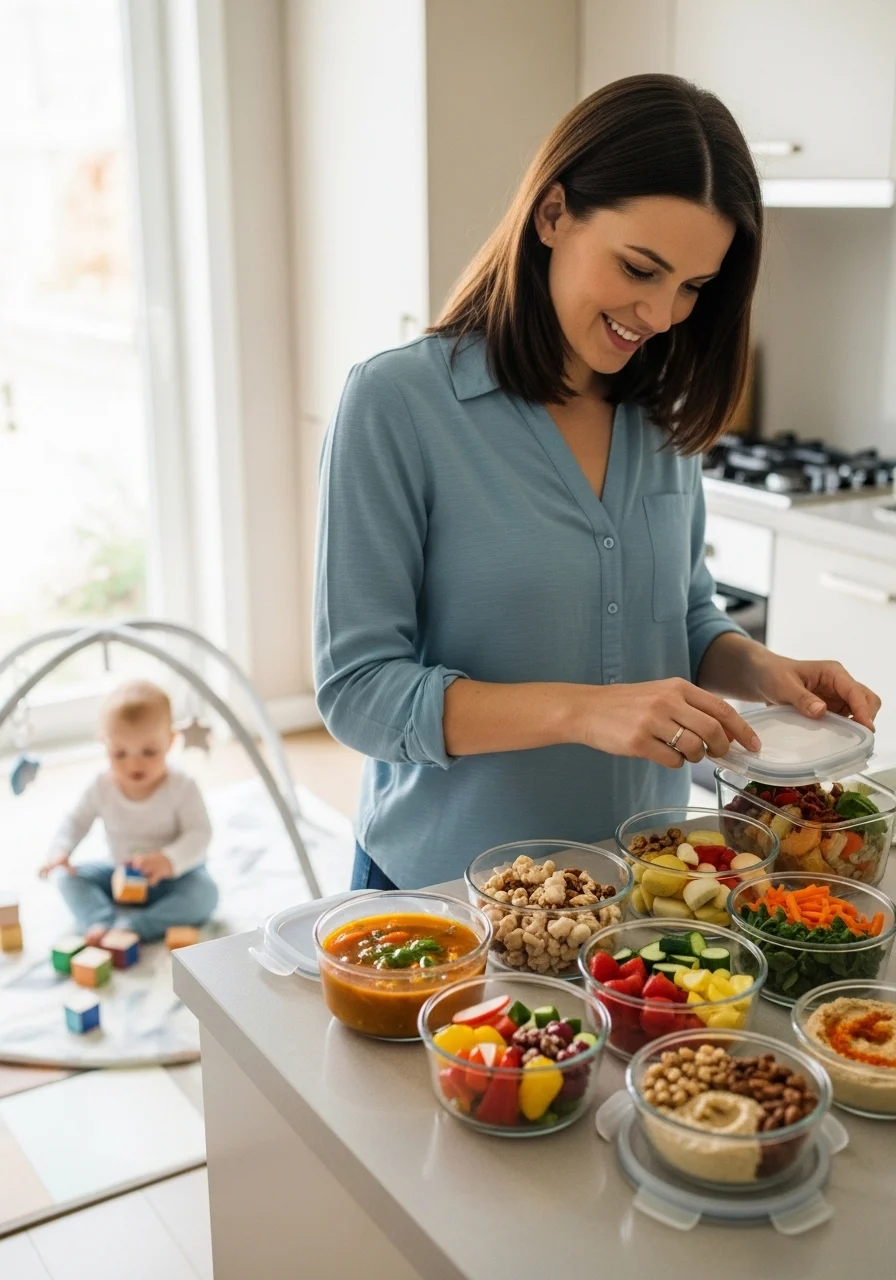
Prepare a few easy meals at once to simplify days. Batch cooking reduces decision fatigue and ensures nourishing options during pregnancy and postpartum recovery. Warm meals help breastfeeding moms and families with busy routines. You’ll save time, reduce stress, and have more energy for parenting moments.
Why This Works
- Saves time on busy days
- Ensures nutritious options for recovery and breastfeeding
- Reduces decision fatigue and mealtime stress
- Frees up mental space for parenting
- Helps maintain routines during unpredictable newborn phases
Quick Tips
- Choose freezer-friendly recipes
- Use a slow cooker for hands-off meals
- Prep snacks for quick nursing fuel
- Label and date containers
- Double recipes and freeze half
17. Practice Saying No Gently

Protect your time by politely declining commitments that drain you. Saying no frees space for rest, recovery, and bonding. It’s particularly important during pregnancy, postpartum recovery, and early parenting when energy is limited. You’ll likely find people are understanding when you explain you’re prioritizing family and health.
Why This Works
- Preserves energy for essentials
- Reduces social and logistical stress
- Supports emotional recovery during postpartum
- Gives you back control over your schedule
- Reinforces healthy boundaries for parenting life
Quick Tips
- Use short, kind phrases when declining
- Offer an alternative time if feasible
- Practice a few responses you can reuse
- Set limits on visitors after birth
- Remember your wellbeing matters for your family
18. Schedule a Postpartum or Wellness Check-In

Book a check-in with your provider or a therapist after birth or during pregnancy. Talk about physical healing, mood, breastfeeding, or fertility concerns. Early conversations can catch issues before they grow. This is practical self care that helps with postpartum recovery, mental health, and long-term parenting capacity.
Why This Works
- Ensures medical and emotional needs are addressed
- Supports safe postpartum recovery and breastfeeding
- Creates a plan for any ongoing concerns
- Reduces worry through professional guidance
- Normalizes asking for help as part of care
Quick Tips
- Bring a short list of questions
- Note any changes in mood or sleep
- Ask about local support groups
- Consider telehealth for convenience
- Schedule follow-up if anything feels off
19. Hands-On Self-Massage

Use simple self-massage to ease tight areas like the neck, shoulders, and lower back. It takes only a few minutes and reduces tension from breastfeeding and carrying. Use lotion or a small roller to help release knots. This care supports both physical recovery and emotional ease during parenting days.
Why This Works
- Releases muscle tension from repetitive caregiving positions
- Improves circulation and relaxation
- Quick and accessible between chores and feeds
- Helps manage postpartum discomfort
- Gives you a moment of focused bodily care
Quick Tips
- Use a tennis ball for back rolling against a wall
- Warm hands before touching sore spots
- Apply gentle pressure; stop if painful
- Do short sessions multiple times daily
- Combine with deep breathing
20. Create a Calm Corner

Designate one small area as your calm corner. Add a soft chair, favorite blanket, a lamp, and comforting items. Use it for quick breaks, feeds, or reflection during postpartum recovery or long parenting days. The corner becomes a visual cue that taking time for yourself is allowed. It’s a tiny refuge you can return to whenever overwhelmed.
Why This Works
- Provides a predictable place for rest
- Signals permission to pause caregiving roles
- Supports emotional regulation and breathing space
- Easy to access during night feeds and naps
- Helps build a steady self-care habit
Quick Tips
- Keep favorite books or playlists nearby
- Use a comfy pillow for support while nursing
- Make it clutter-free for calm
- Keep a small tray for water and snacks
- Add a soft lamp for gentle lighting
21. Soothing Music or Lullaby Playlist

Create a playlist that calms you. Play it during feeds, baths, or moments you need to unwind. Music shifts mood quickly and can soothe both you and your baby. It’s helpful for pregnancy anxiety and postpartum emotional dips. A consistent playlist becomes an audible cue to relax.
Why This Works
- Changes mood and reduces stress fast
- Soothes both parent and baby during difficult moments
- Creates an auditory cue for relaxation
- Helps with sleep and winding down
- Easy to use during any caregiving moment
Quick Tips
- Keep playlists offline for quick access
- Update it with songs that comfort you now
- Use low volume for nighttime feeds
- Pair music with breathing or gentle movement
- Share favorites with your partner
22. Read One Page a Day

Read just one page each day from a book you enjoy. It takes a moment but reconnects you to your interests outside parenting. This small habit supports mental rest during pregnancy and postpartum recovery and gives you something to look forward to. Over time, it builds a steady habit of personal time.
Why This Works
- Fits into tiny pockets of time
- Reconnects you with your identity beyond parenting
- Lowers stress and stimulates the mind
- Gives a small, consistent pleasure daily
- Easy to resume even with interrupted schedules
Quick Tips
- Keep a slim book by the nursing chair
- Try audiobooks if reading feels hard
- Use night-time reading as wind-down
- Pick light or inspiring content
- Track pages to build momentum
23. Make an “Ask for Help” List

Write a short list of tasks others can do: grocery pick-up, 30 minutes of babysitting, folding laundry, or a hot meal drop-off. Share it with close friends and family. People often want to help but don’t know how. This makes asking practical and lowers your daily load. It’s especially useful during postpartum recovery and intense parenting seasons.
Why This Works
- Makes help tangible and easy to offer
- Reduces mental burden of coordinating support
- Encourages community involvement
- Frees you for rest and healing
- Fits into realistic postpartum recovery planning
Quick Tips
- Keep the list accessible on your phone
- Rotate small favors among friends
- Be specific about timing and instructions
- Say thank you and offer flexible options
- Update the list as needs change
24. Celebrate a Small Win Daily

Notice and celebrate one small success each day. It could be a successful nap, a shower, or a smile from your child. Naming wins counters the sense of constant struggle and supports emotional wellbeing during postpartum recovery and parenting life. Small celebrations help build confidence and gratitude.
Why This Works
- Shifts attention to progress instead of stress
- Boosts mood and motivation
- Encourages positive parenting self-talk
- Helps balance demanding days with recognition
- Easy to share with your support network
Quick Tips
- Use a jar to drop daily win notes
- Celebrate with a favorite treat or quiet moment
- Share one win with a friend or partner
- Keep wins realistic and small
- Revisit notes when feeling low
25. Schedule a Monthly “Just Me” Date

Plan one monthly solo hour or half-day where you do something that’s only for you. It could be a walk, a coffee shop visit, or a short salon visit. Having a regular check-in for your own needs supports long-term wellbeing. For parents, this scheduled break helps sustain energy through the unpredictable rhythm of parenting and postpartum recovery.
Why This Works
- Guarantees consistent personal time
- Restores identity beyond parenthood
- Lowers cumulative stress over months
- Creates a goal to look forward to
- Helps maintain relationships and hobbies
Quick Tips
- Put the date on your calendar in advance
- Arrange childcare ahead of time
- Start with a short, realistic timeframe
- Try different activities to find what refreshes you
- Treat it as essential, not optional
You’ve just read 25 practical, gentle Self Care Ideas Every Overwhelmed Mom Should Try. Each suggestion fits into real parenting rhythms—pregnancy appointments, newborn care windows, and postpartum recovery days. Save or pin this list for nights you need a quick reset and for slow mornings when you can try something new. These ideas are small, realistic, and easy to repeat. Which one will you try this week to give yourself a little more calm and care?