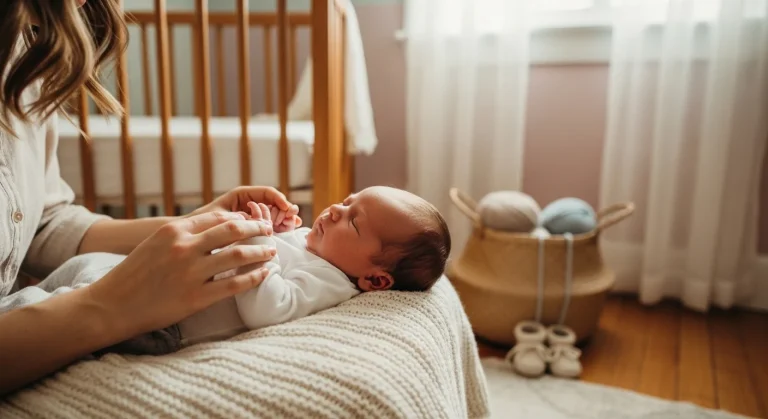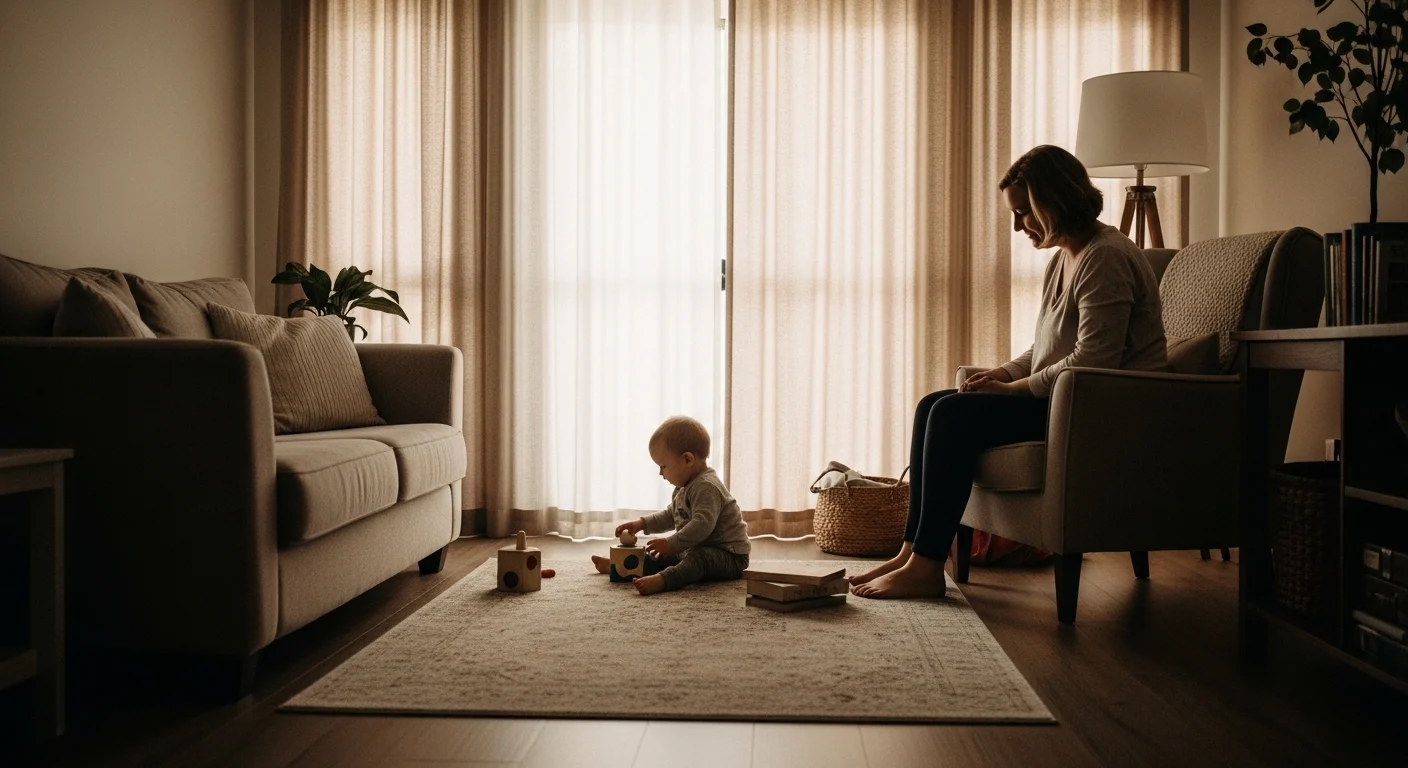
You are juggling naps, snacks, and a hundred small questions from a curious two year old. Some days you want simple, low-stress ways to keep your toddler engaged while you catch a breath or support postpartum recovery. That is where practical activities for 2 year olds at home become lifesavers.
These activities for 2 year olds at home are chosen to match short attention spans, boost fine motor and language skills, and create gentle chances for bonding. You will find sensory play, quiet time ideas, and active movement games that fit tiny spaces. Each idea includes why it helps and quick tips to make it doable on busy days. Save a few that feel right and try one today.
1. Sensory Bin Exploration
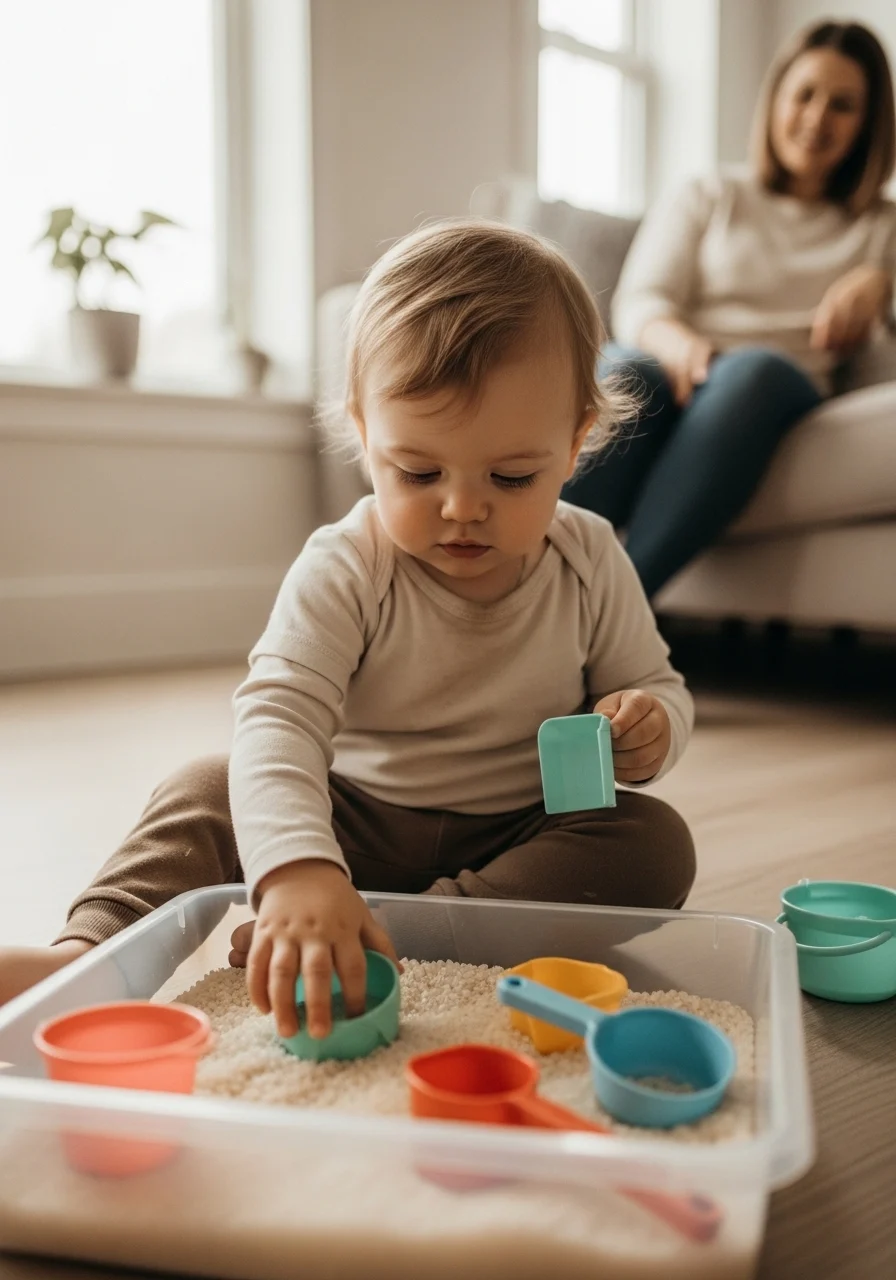
Set up a bin with dry rice, pasta, or water beads and add scoops, cups, and small toys. You can supervise while sitting nearby with a cup of tea during postpartum recovery. Sensory bins calm curious minds and give hands something focused to do. This activity is simple to swap based on what you have and is easy to reset between naps.
Why This Works
- Encourages exploration and focus
- Builds fine motor skills and hand strength
- Provides a calming sensory outlet
- Easy to adapt for safety and age
Quick Tips
- Use a low tray to contain mess
- Add themed toys for pretend play
- Supervise closely with small items
- Offer washable play clothes or a mat
- Rotate fillers weekly to renew interest
2. DIY Obstacle Course
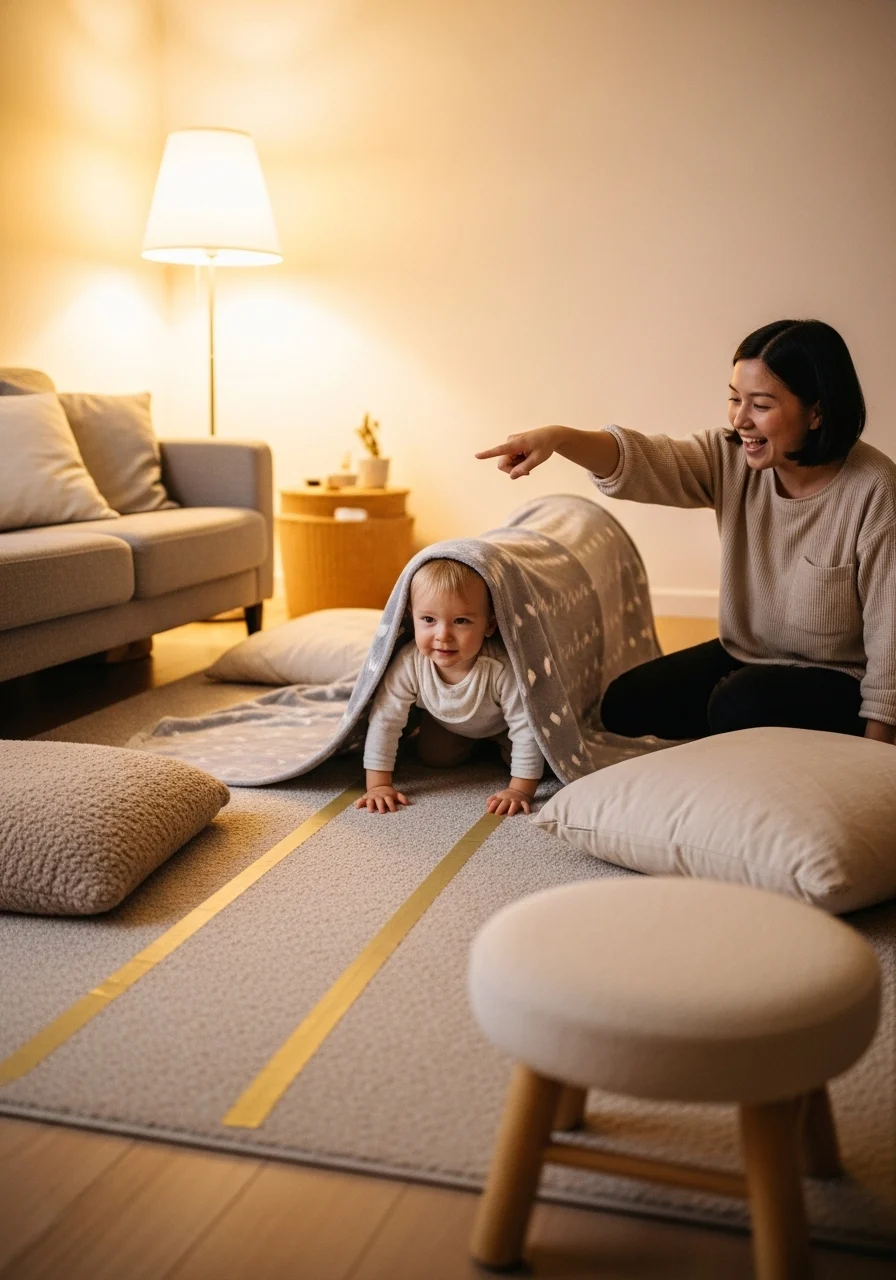
Create a simple path with pillows to climb, boxes to crawl through, and a finishing hoop. You can move pieces around to keep it new. It helps burn energy, strengthens gross motor skills, and supports balance. While your toddler plays, you can practice gentle postpartum stretches nearby or join briefly for bonding.
Why This Works
- Improves coordination and spatial awareness
- Burns energy for better nap times
- Promotes confidence with safe challenges
- Lets you tailor intensity to your comfort
Quick Tips
- Use soft obstacles to prevent bumps
- Shorten the course for quick wins
- Time runs to add playful excitement
- Involve sibling turns for sharing practice
- Pack pieces away easily after play
3. Water Play Station
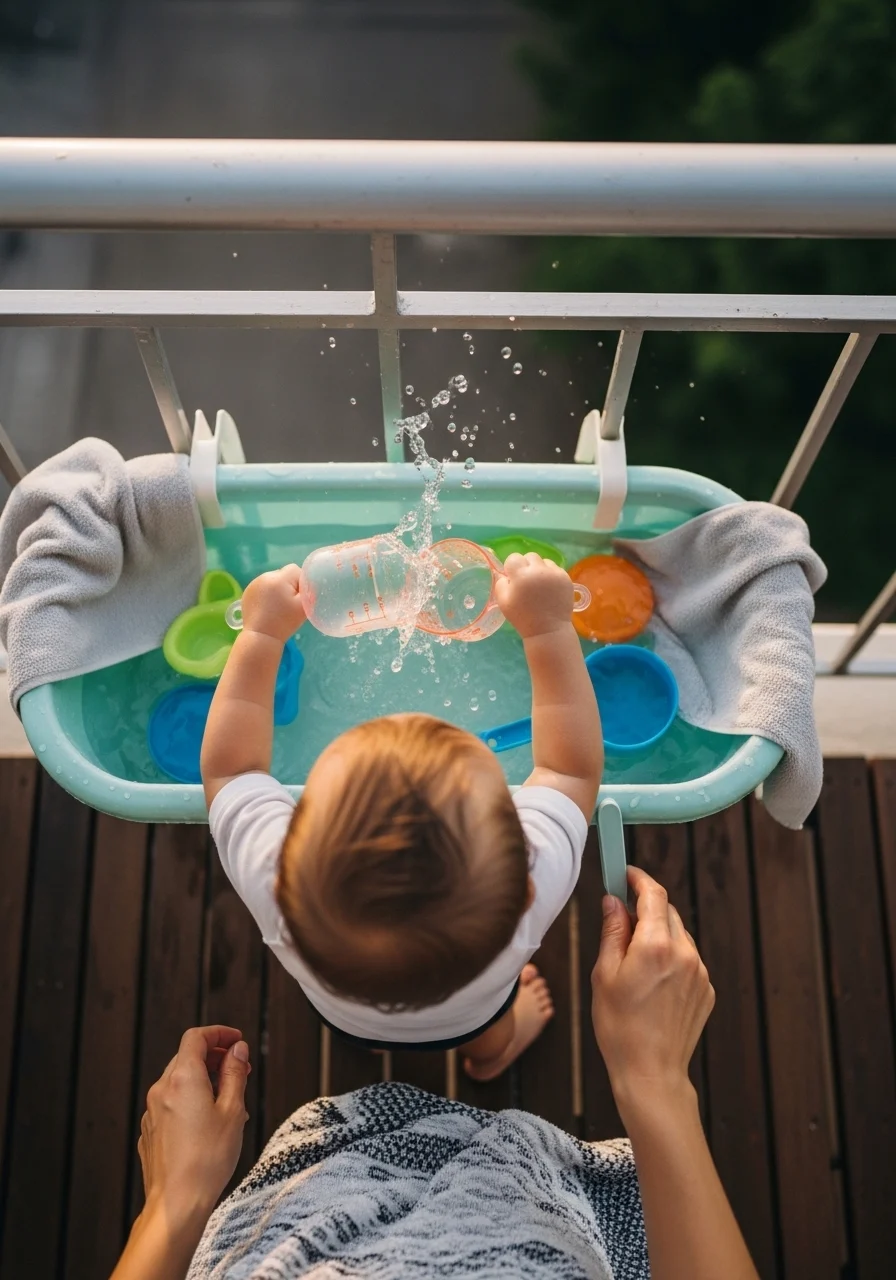
Fill a shallow tub with water and add cups, spoons, and floating toys. Water play is soothing and great for sensory learning. It gives you a chance to sit nearby and do light tasks or enjoy a quiet moment. Always supervise closely and use towels and gentle soap for cleanup.
Why This Works
- Stimulates senses and curiosity
- Teaches cause and effect through pouring
- Calms while providing active play
- Simple to set up inside or outside
Quick Tips
- Use a waterproof mat or towel
- Keep water shallow and supervised
- Add bubbles or safe colors for variety
- Limit sessions to avoid chills
- Swap toys to renew interest
4. Finger Paint on Paper

Spread butcher paper and offer edible or washable finger paint. Let your child explore colors and textures without pressure to create perfect shapes. Painting builds sensory and pre-writing skills and is a joyful way to bond. It also gives you a creative moment and an easy story to retell at bedtime.
Why This Works
- Encourages creativity and motor control
- Strengthens hand muscles for future writing
- Offers a nonverbal emotional outlet
- Easy to adapt for short or longer sessions
Quick Tips
- Use washable, non toxic paints
- Dress in easy-to-clean clothes or an art smock
- Keep wipes and a bowl of water nearby
- Turn finished art into cards or wall displays
- Limit to short bursts for toddlers with low tolerance
5. Simple Puzzles Together
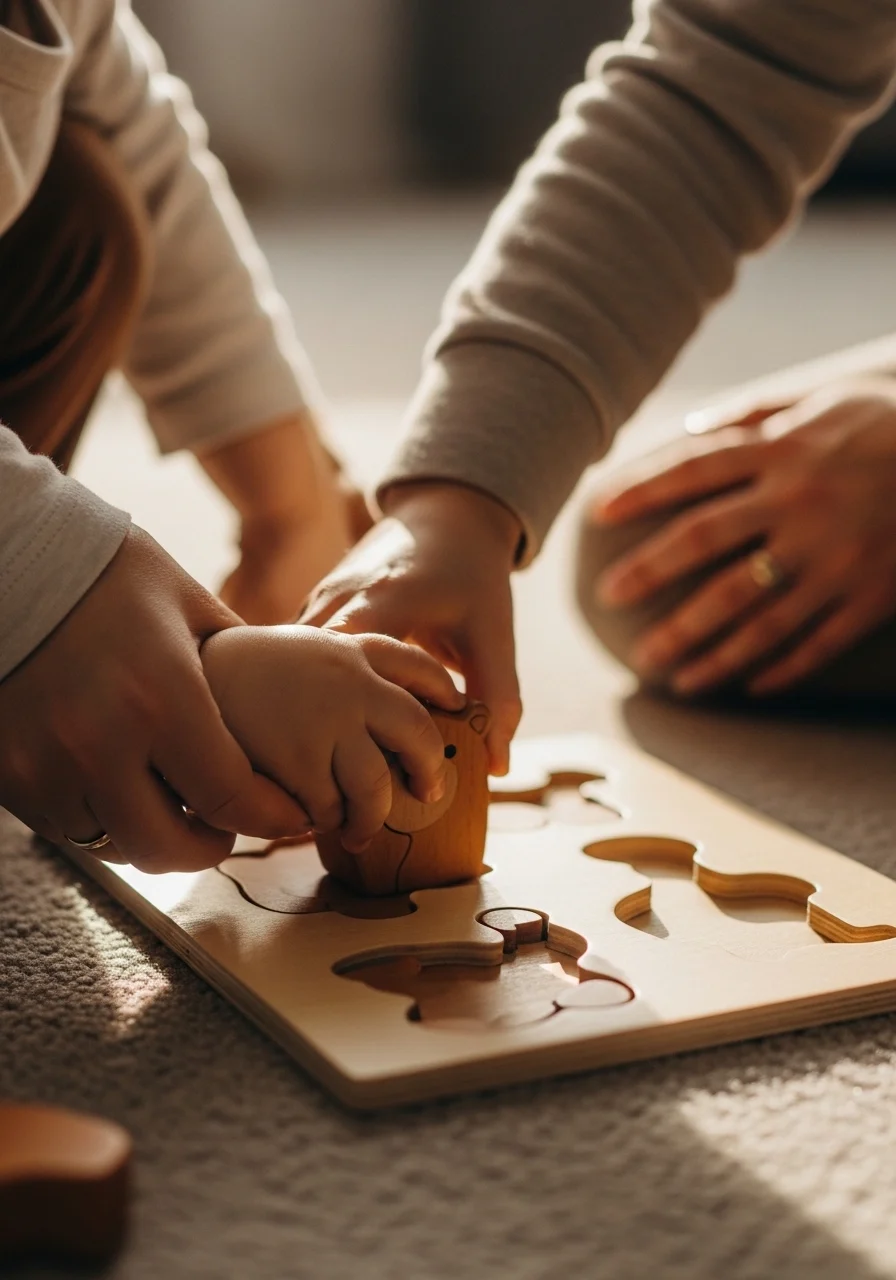
Offer chunky wooden puzzles or knobbed pieces to match shapes. Sit beside your child and model placing pieces. Puzzles teach problem solving, patience, and hand eye coordination. Sharing the small wins boosts connection and language as you name shapes and animals together.
Why This Works
- Builds cognitive and spatial skills
- Supports vocabulary growth through naming
- Teaches patience and persistence
- Encourages one-on-one connection
Quick Tips
- Start with 2 to 4 piece puzzles
- Celebrate attempts rather than correct placement
- Rotate puzzles to keep interest high
- Use consistent vocabulary for pieces
- Make it a quiet wind-down before naps
6. Pretend Kitchen Play
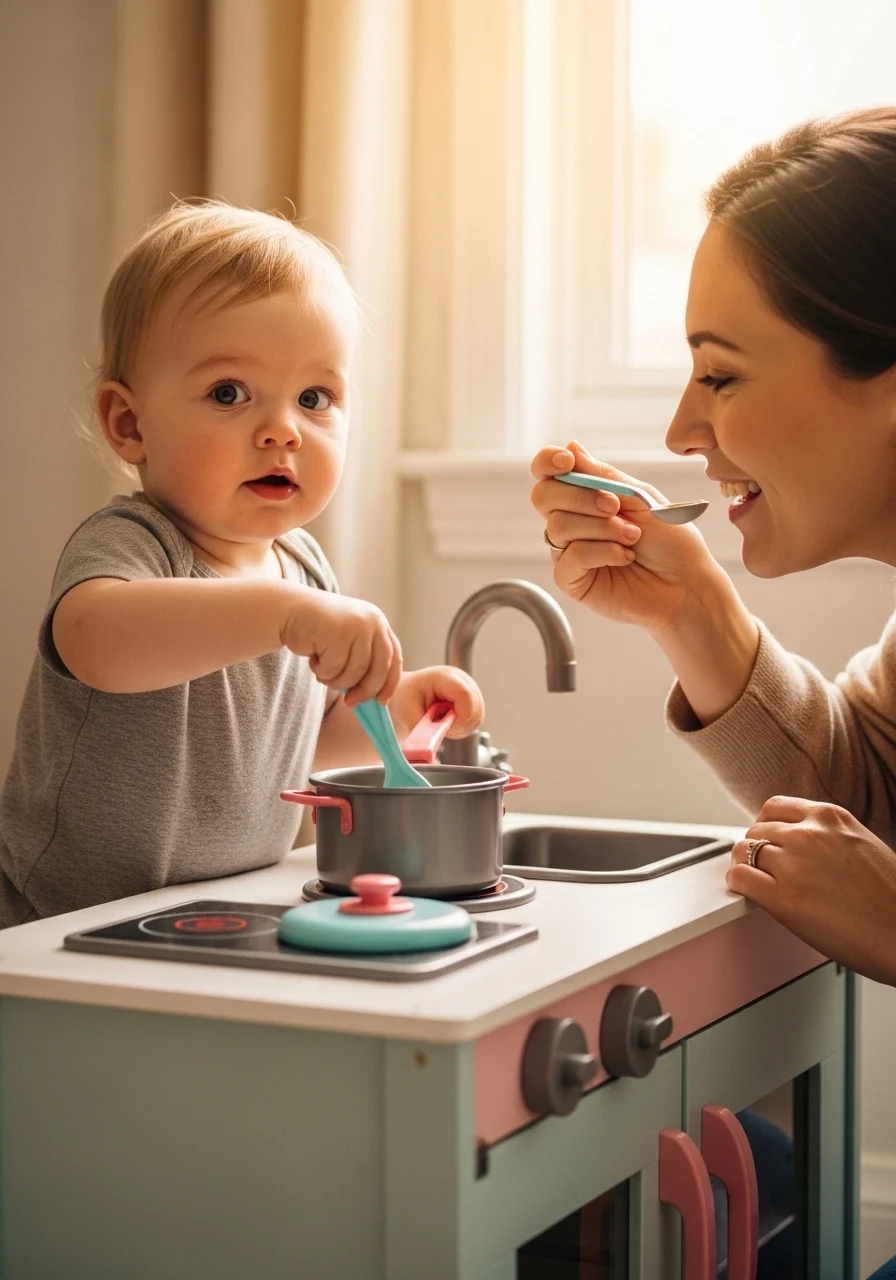
Set up a small play kitchen or a box with utensils and pretend food. This role play supports language, sequencing, and social skills. You can join as customer or chef for short scenes. It is a calm activity that invites imagination and can give you a few minutes to sort laundry while staying nearby.
Why This Works
- Encourages imaginative play and language
- Teaches routines and sequencing
- Supports social pretend skills
- Lets you join briefly without full focus
Quick Tips
- Use safe household items like wooden spoons
- Introduce new vocabulary with each role
- Encourage serving to dolls for empathy practice
- Keep a small basket for tidying up
- Swap themes like grocery or picnic
7. Storytime with Props
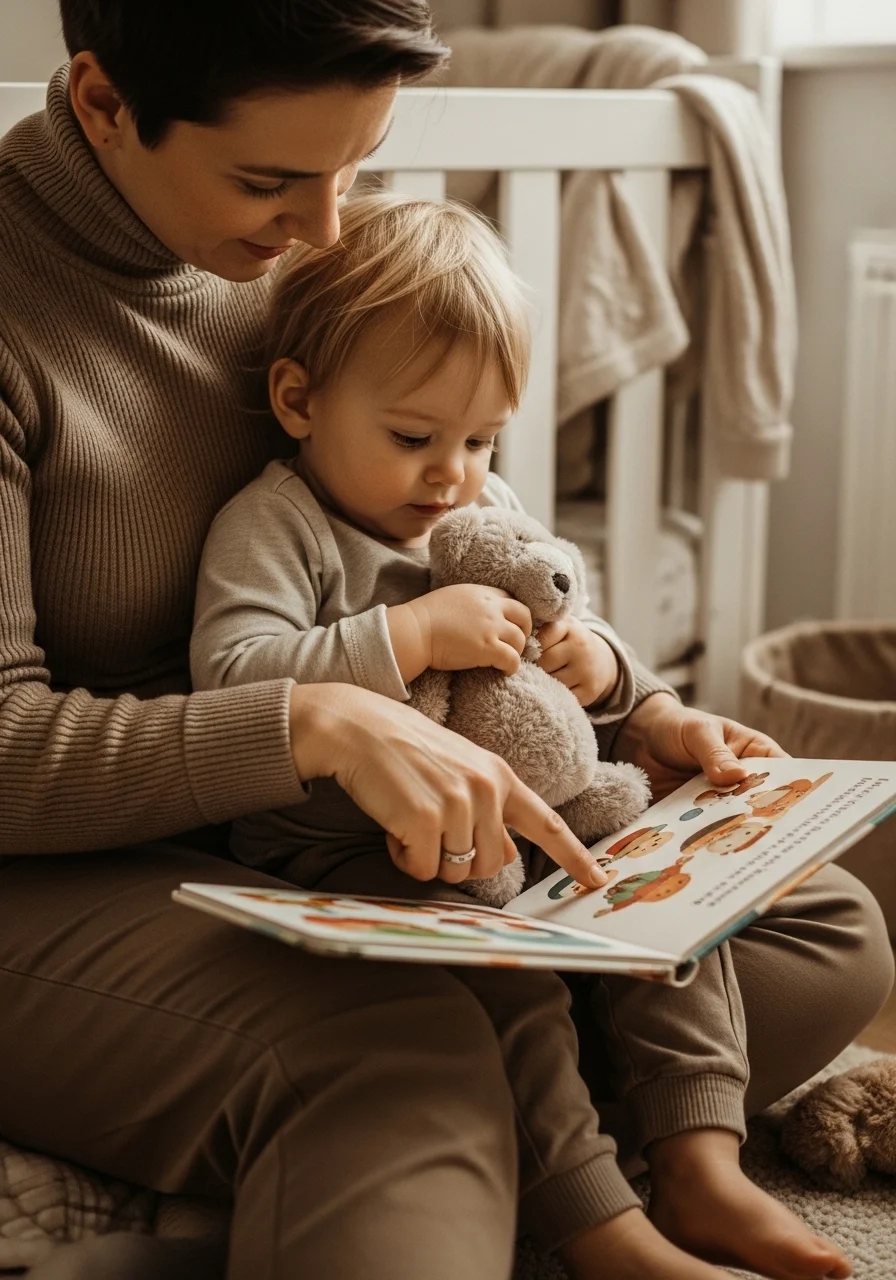
Read short board books and add simple props like a stuffed animal or felt pieces. Props make stories interactive and improve attention. This routine supports language growth and emotional closeness. It is also a gentle way to transition between activities or lead into nap time.
Why This Works
- Boosts language and listening skills
- Strengthens parent child attachment
- Encourages imagination through props
- Creates soothing routines for naps and bed
Quick Tips
- Choose sturdy board books with bright images
- Use one prop per story to avoid overwhelm
- Ask simple questions about pictures
- Keep stories short and predictable
- Use consistent spot for storytime
8. Music and Movement Sessions
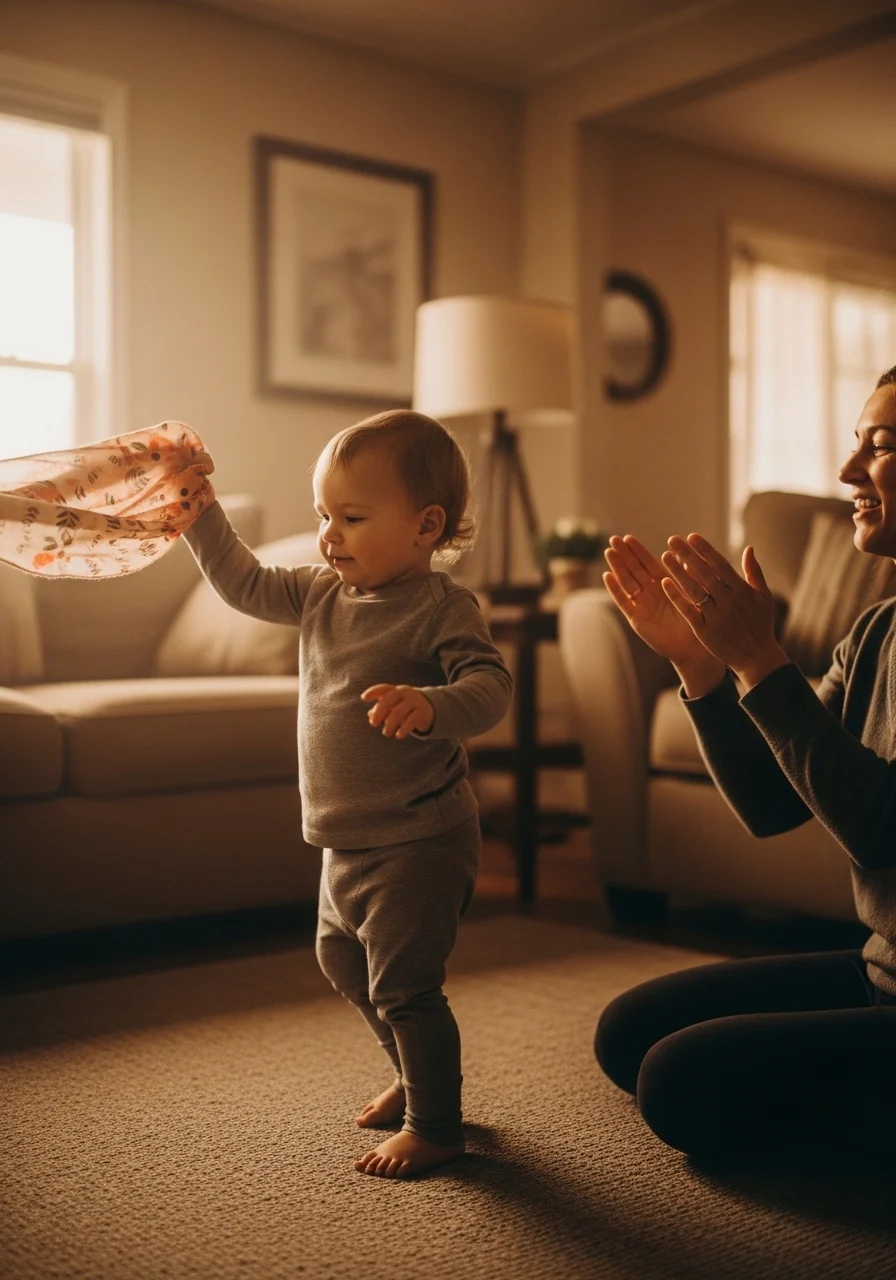
Play upbeat songs and invite dancing, clapping, and simple actions like jumping or spinning. Music supports rhythm, coordination, and mood. Short dance breaks help release energy and can be a mood lifter during long parenting days. You can include lullabies for calming moments too.
Why This Works
- Improves motor planning and coordination
- Releases energy to improve sleep routines
- Encourages expressive movement and joy
- Easy to vary by mood or time of day
Quick Tips
- Use a short curated playlist for toddlers
- Include scarves or shakers for variety
- Follow your child’s lead for moves
- Turn it into a clean up song at the end
- Try slow songs before naps
9. Matching and Sorting Games
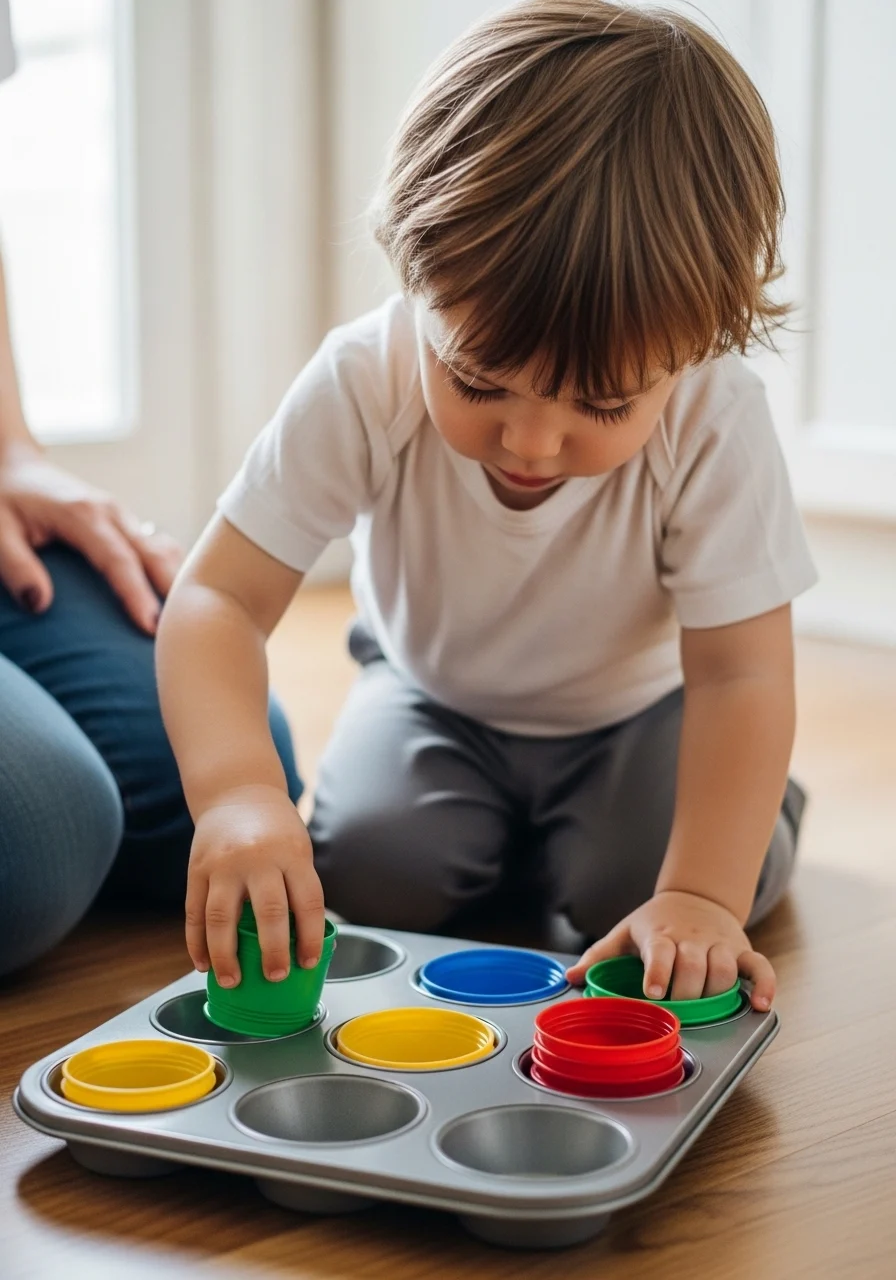
Give simple sorting tasks like matching colors into cups or stacking rings. These tasks teach classification and concentration. They are quick to set up and easy to pause when your schedule shifts. Sorting offers little daily wins that boost confidence for both of you.
Why This Works
- Develops early math and categorization skills
- Builds concentration and fine motor control
- Offers measurable progress for confidence
- Simple to customize by materials
Quick Tips
- Start with two categories like color
- Use familiar household items for sorting
- Praise attempts and use clear labels
- Make it a race for fun engagement
- Reuse materials across activities
10. Cardboard Box Play
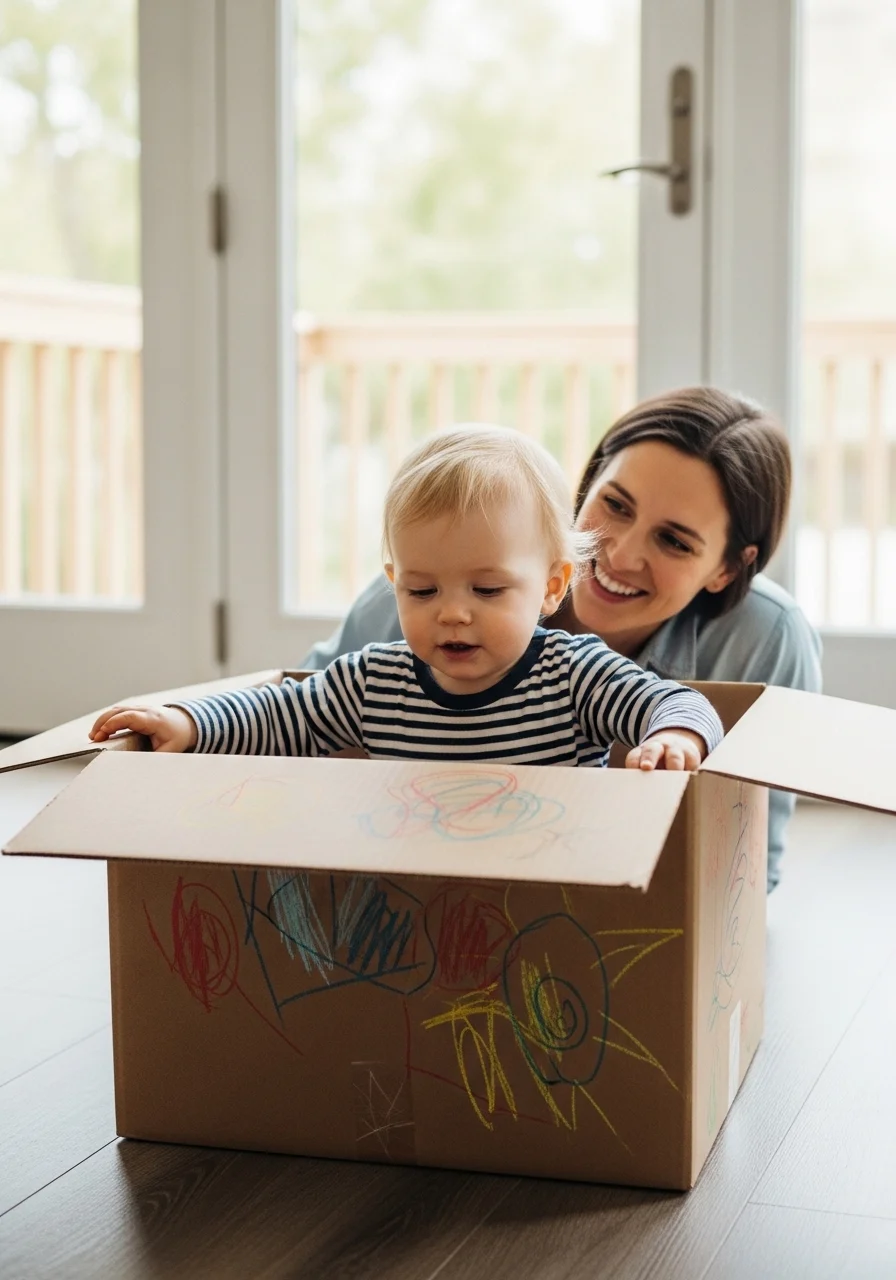
Turn a box into a car, house, or boat with crayons and cutouts. Box play encourages creativity and open ended thinking. It is inexpensive and gives your child a private little world to explore while you work nearby or rest during postpartum recovery. Keep scissors use supervised.
Why This Works
- Sparks imagination with low cost materials
- Encourages role play and storytelling
- Offers a cozy retreat for solo play
- Easy to adapt and recycle
Quick Tips
- Cut windows and doors for imagination
- Keep a stash of crayons and stickers handy
- Use tape instead of sharp tools
- Turn boxes into rotating themes weekly
- Supervise decorations for safety
11. Toddler Yoga and Stretching
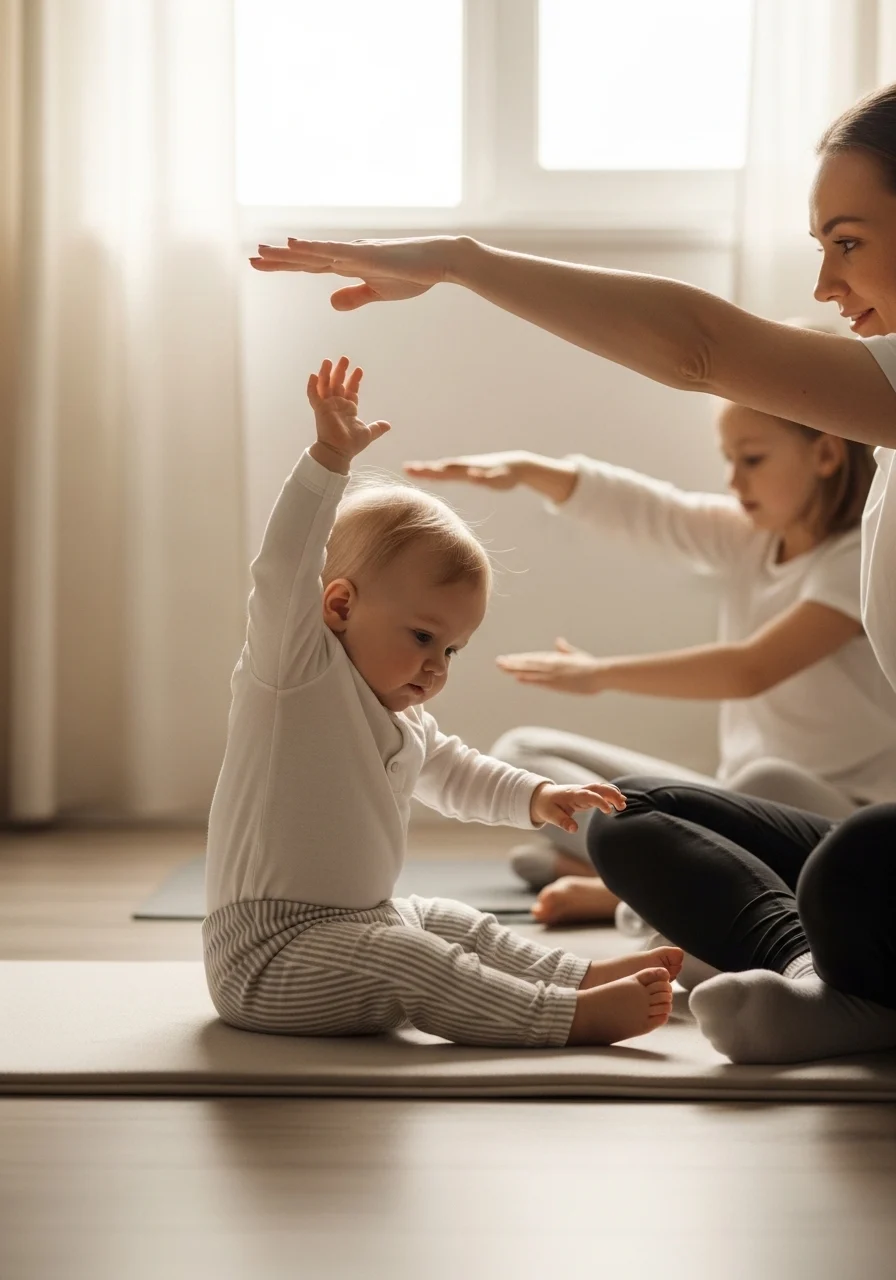
Practice short, playful yoga poses like stretching like a cat or reaching like a star. Yoga supports body awareness and gentle flexibility. It is soothing for both toddler and parent, especially during postpartum recovery when gentle movement can feel restorative. Keep sessions brief and playful.
Why This Works
- Builds body awareness and balance
- Promotes calm and breath awareness
- Connects parent and child through gentle movement
- Works as a reset between active play
Quick Tips
- Keep sessions under five minutes initially
- Use animal names to describe poses
- Breathe together for calming effect
- Add a massage at the end for bonding
- Avoid intense or prolonged positions
12. Garden or Window Planting
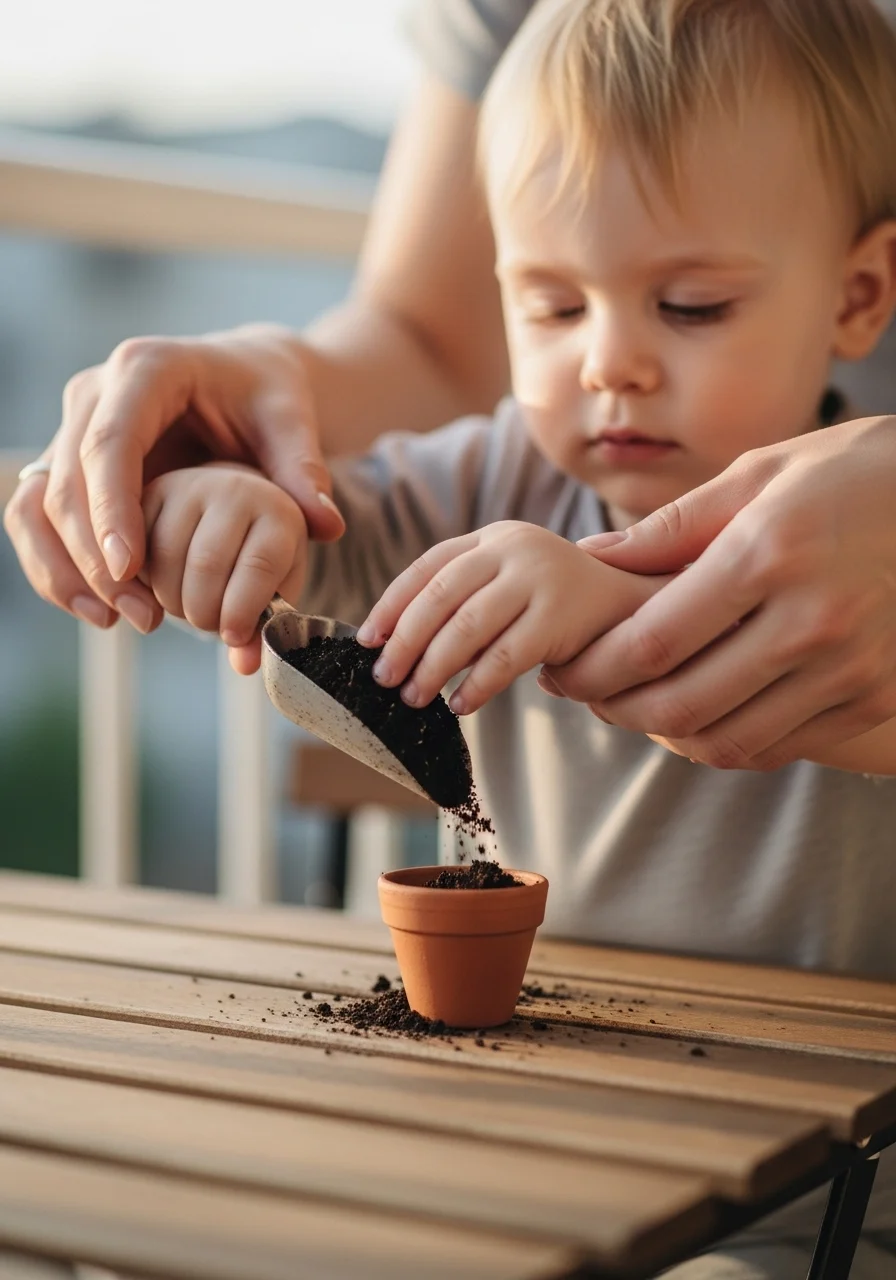
Let your toddler help plant seeds or herbs in small pots. Digging, pouring, and watering teach cause and patience. Gardening connects kids to the natural world and offers quiet observation. It can be an easy outdoor activity that helps your child learn responsibility in a gentle way.
Why This Works
- Encourages curiosity about nature
- Teaches patience and routine care
- Promotes sensory play with soil and water
- Offers measurable results to celebrate
Quick Tips
- Choose fast sprouting seeds like herbs
- Use a small kid sized watering can
- Keep plantings in a supervised area
- Label pots with pictures for recognition
- Use gardening as a daily mini chore
13. Treasure Hunt with Pictures
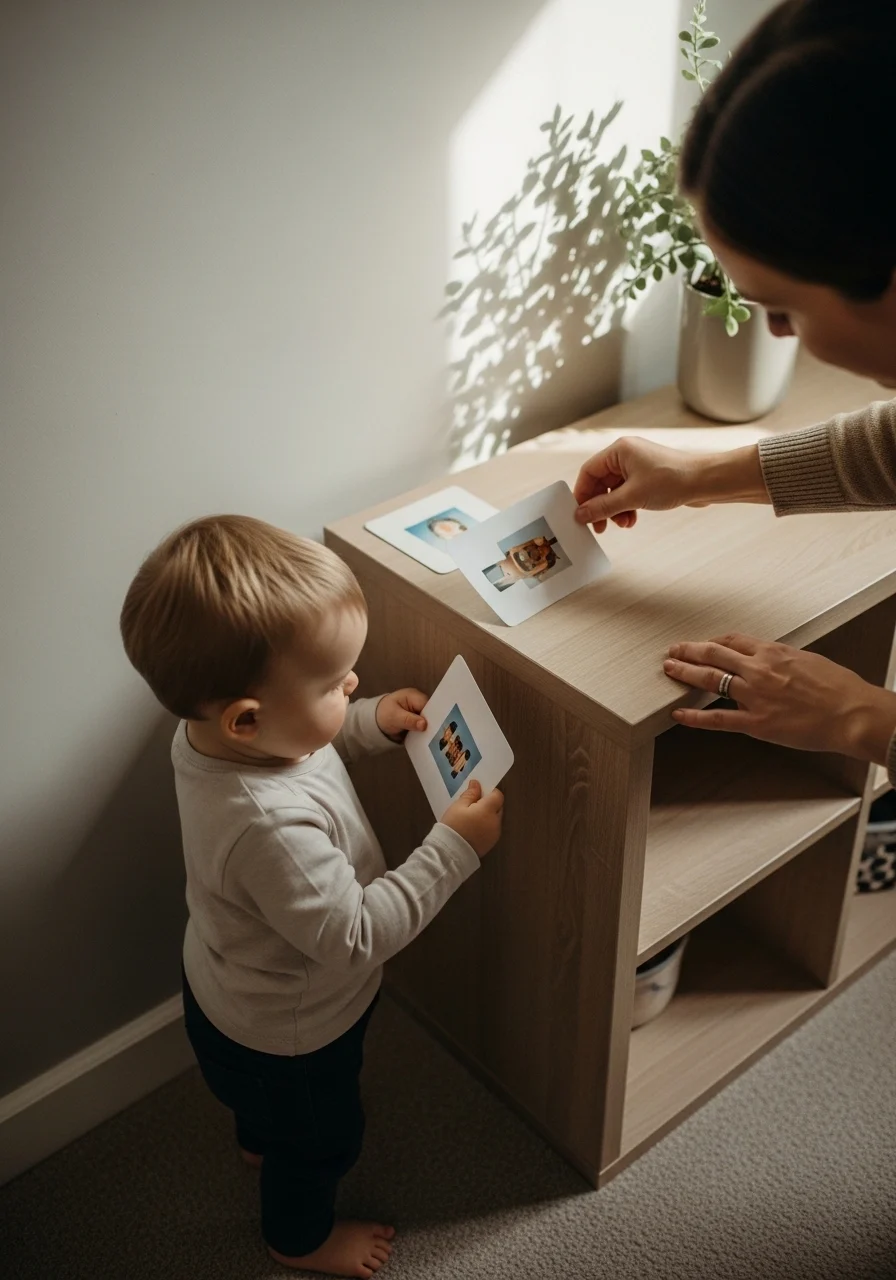
Create a picture based treasure hunt around the house using simple cards. Hide objects and let your toddler find matches. This builds observation skills and makes tidy up into a game. It is gentle on your schedule and can be scaled to a quick three item hunt.
Why This Works
- Enhances visual scanning and problem solving
- Makes moving around the house purposeful
- Turns cleanup into a playful task
- Reinforces object names and memory
Quick Tips
- Use laminated picture cards for durability
- Start with close and obvious hiding spots
- Praise effort rather than speed
- Add a small reward like sticker time
- Keep hunts brief and age appropriate
14. Baking Helpers
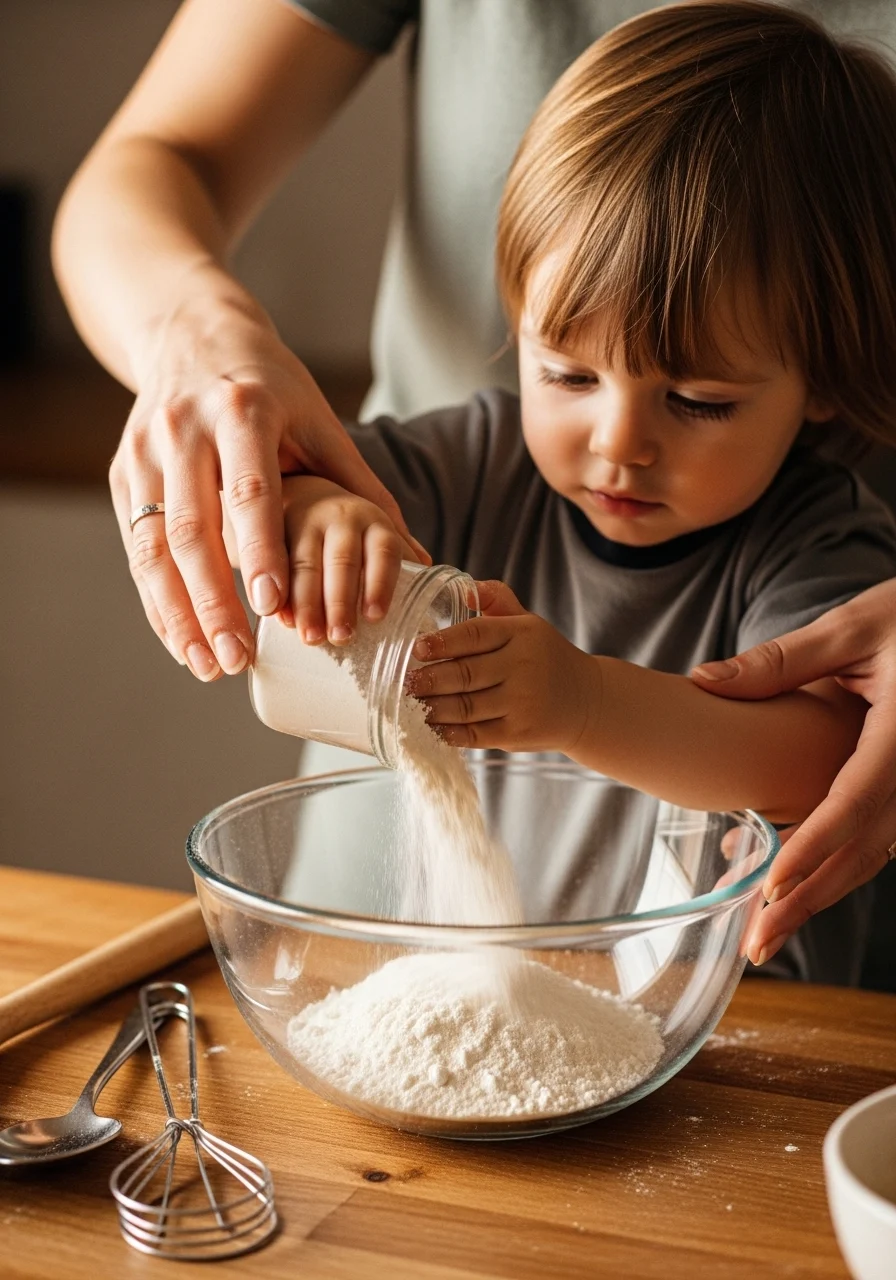
Invite your toddler to be a helper with stirring, pouring measured dry ingredients, or placing cookie cutters. Baking teaches sequencing, counting, and fine motor control. It also offers sensory engagement and creates a shared result you can enjoy together. Keep tasks short and safe.
Why This Works
- Builds early math through measuring
- Encourages following simple steps
- Strengthens fine motor skills with stirring and placing
- Creates shared rewards and routines
Quick Tips
- Use no bake or simple recipes to minimize risk
- Pre measure ingredients for quick play
- Offer a safe stool for height access
- Emphasize tasting small amounts safely
- Use music to set a fun pace
15. Quiet Basket Rotation
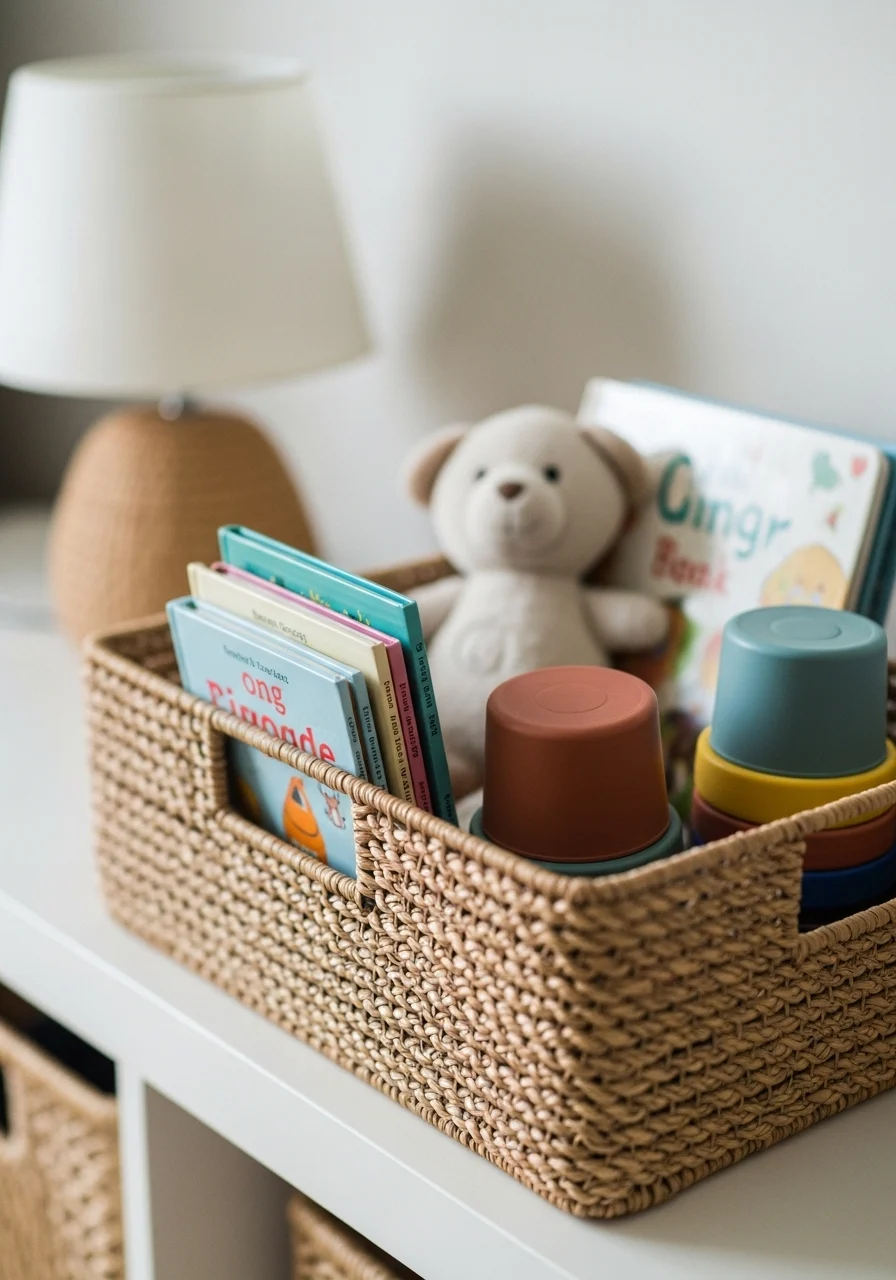
Create a basket of low key toys and rotate its contents every few days. Quiet baskets are ideal for independent play while you nurse, rest, or tend to a newborn. They keep novelty high and reduce clutter. This strategy supports short independent focus time and simple clean up.
Why This Works
- Encourages independent play in short bursts
- Keeps toys engaging without overwhelm
- Supports tiny attention spans with fresh items
- Helps you plan short respite during care duties
Quick Tips
- Include one new and two favorite items
- Rotate weekly to maintain novelty
- Keep baskets accessible at toddler height
- Use baskets for different rooms as needed
- Limit basket size for manageable choices
16. Balloon Volleyball
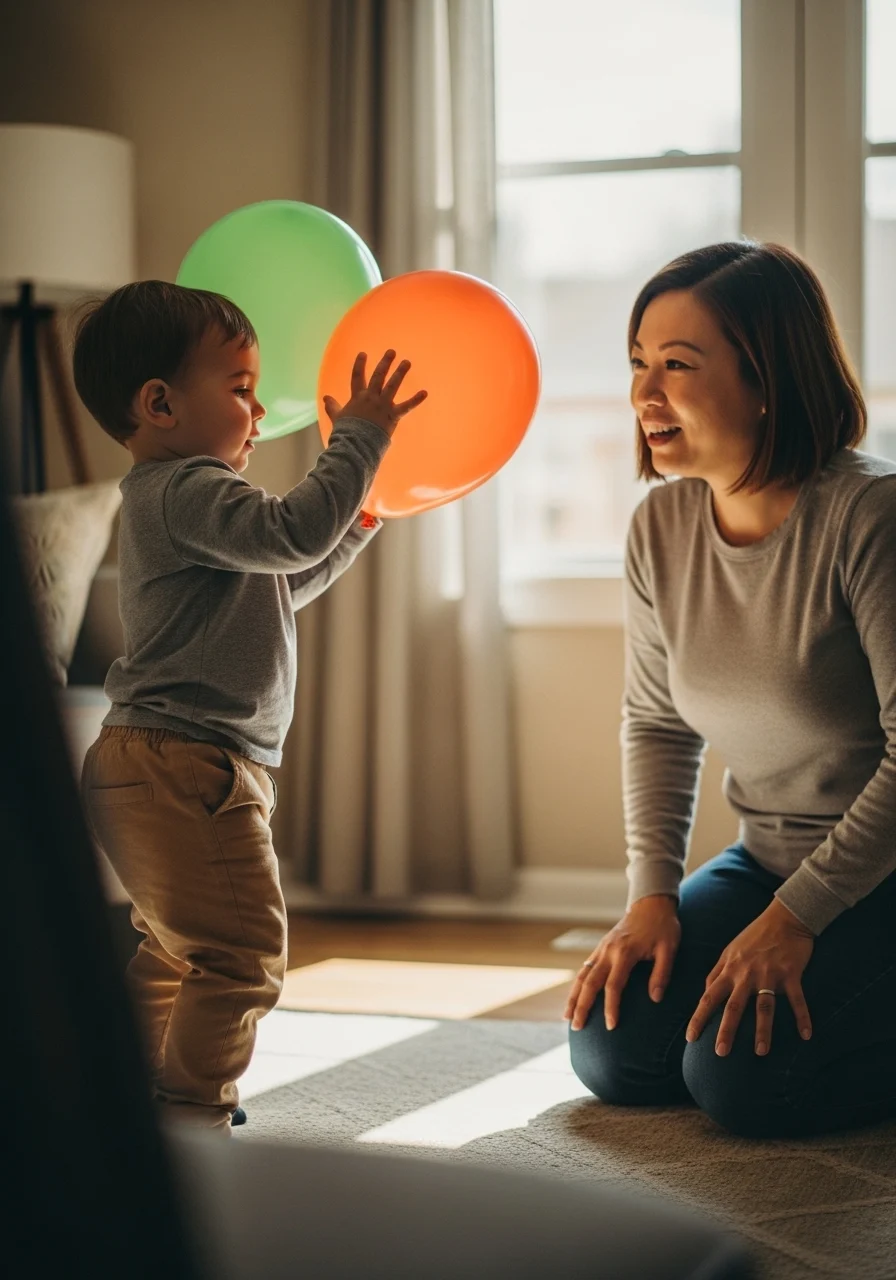
Blow up a light balloon and play gentle keep it up. Balloon volleyball teaches hand eye coordination and timing. It is safe for indoors and turns a small space into a movement zone. Use soft rules and praise to keep it cooperative rather than competitive.
Why This Works
- Develops gross motor timing and coordination
- Burns energy without rough contact
- Encourages turn taking and gentle play
- Simple setup and cleanup
Quick Tips
- Use a single balloon to keep focus
- Avoid balloons near face during popping risk
- Play on soft flooring to prevent slips
- Pause for hydration or calm down moments
- Add a finishing cheer for motivation
17. Sensory Bottles for Calm
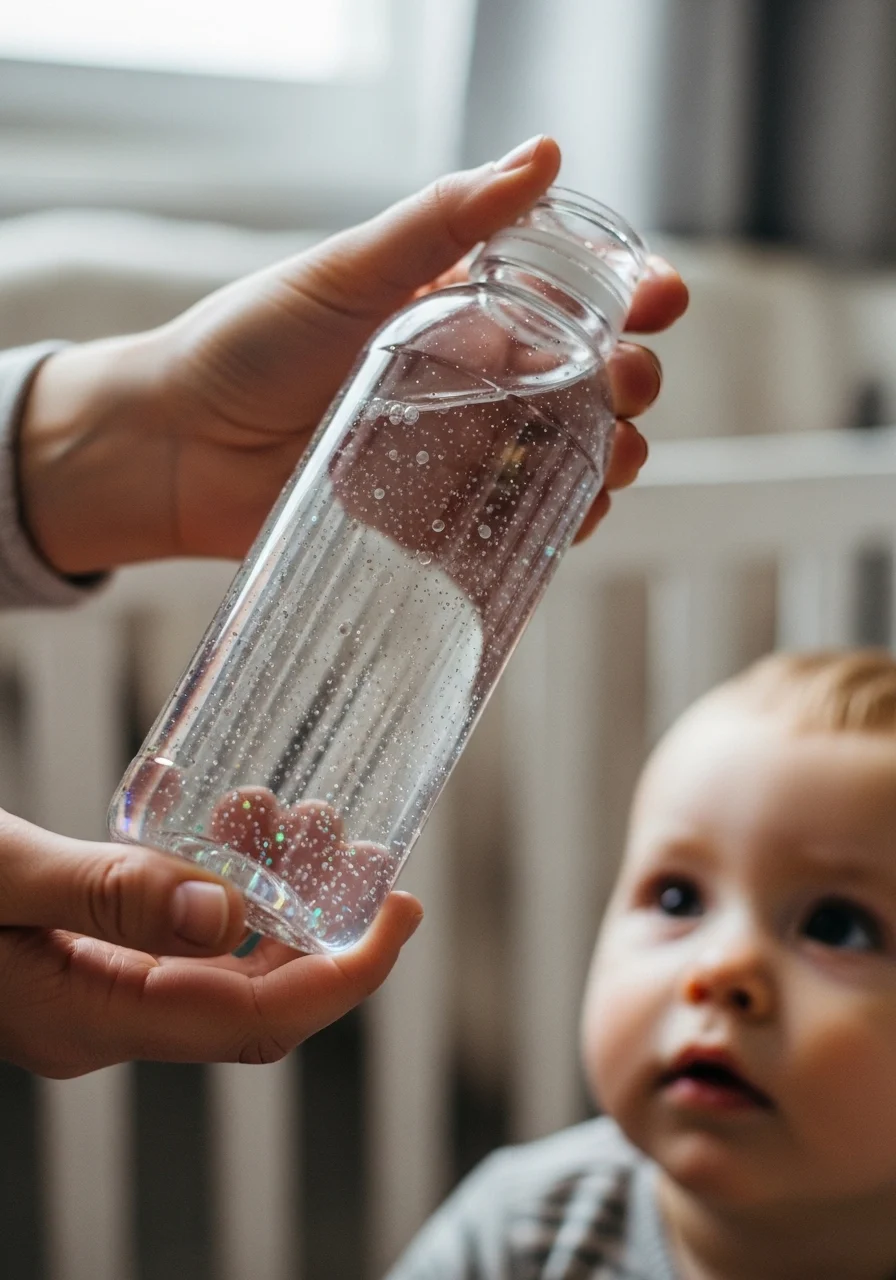
Make sensory bottles with water, oil, glitter, and small safe items. These are excellent for settling frazzled moments or during postpartum recovery when you need a calming tool. Toddlers enjoy watching movement and it promotes quiet focus. Secure lids tightly and supervise use.
Why This Works
- Offers visual sensory regulation
- Supports calm moments and focus practice
- Easy to make and personalize
- Portable for diaper bag or stroller
Quick Tips
- Use clear glue or hot glue to seal lids
- Vary contents like beads or sequins for interest
- Keep bottles out of reach unless supervised
- Use different colors for thematic learning
- Offer as a wind down before naps
18. Large-Bean Threading
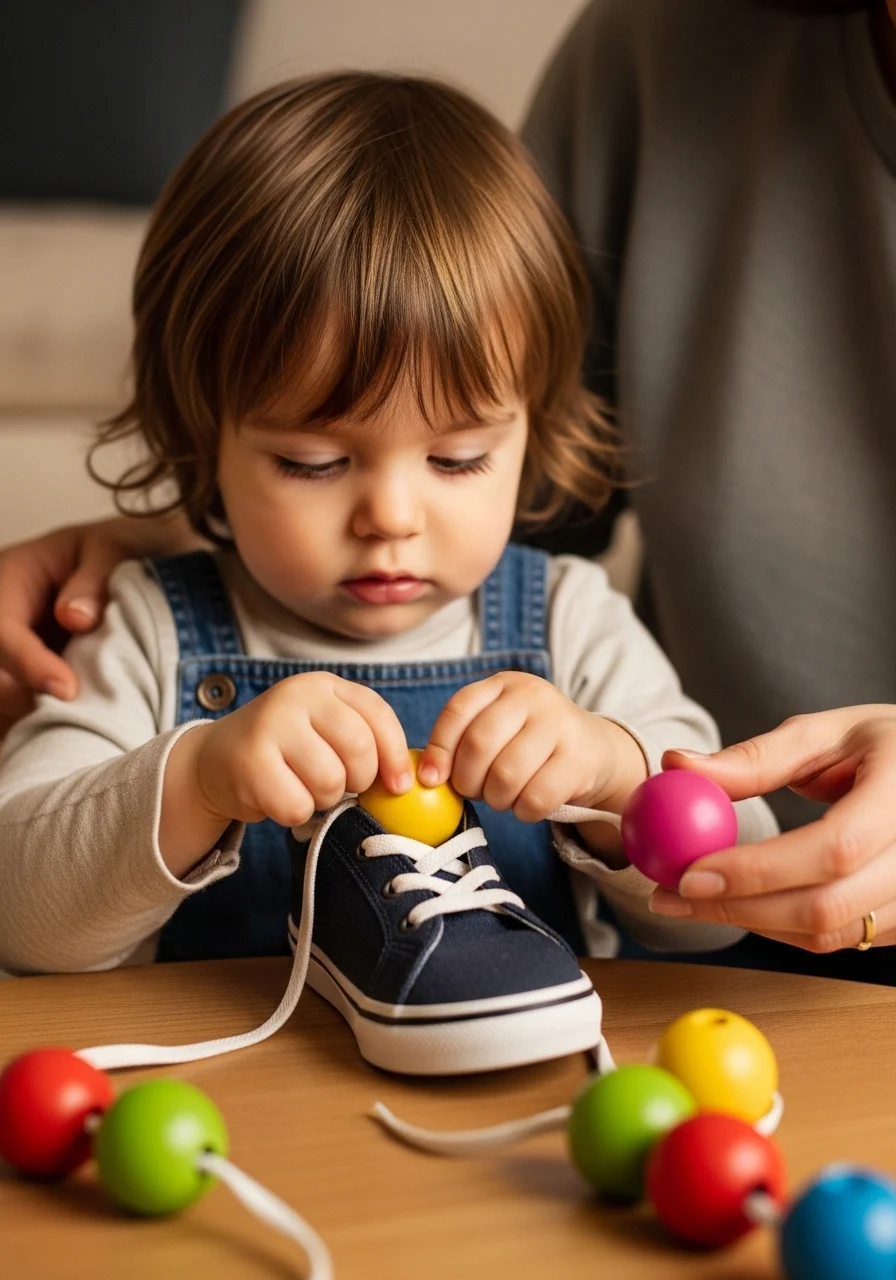
Provide large wooden beads with a thick shoelace or pipe cleaner for threading. This activity strengthens fine motor control and concentration. It is excellent for developing pincer grasp and patience. Keep threads short and beads large enough to avoid choking hazards.
Why This Works
- Builds fine motor and hand eye coordination
- Encourages concentration and pattern recognition
- Supports pre-writing muscle development
- Easy to prepare and store
Quick Tips
- Supervise to prevent swallowing
- Start with few beads then increase
- Show patterns to copy for learning
- Use colored beads for sorting games
- Store beads in a small container between sessions
19. Bedtime Wind-Down Routine
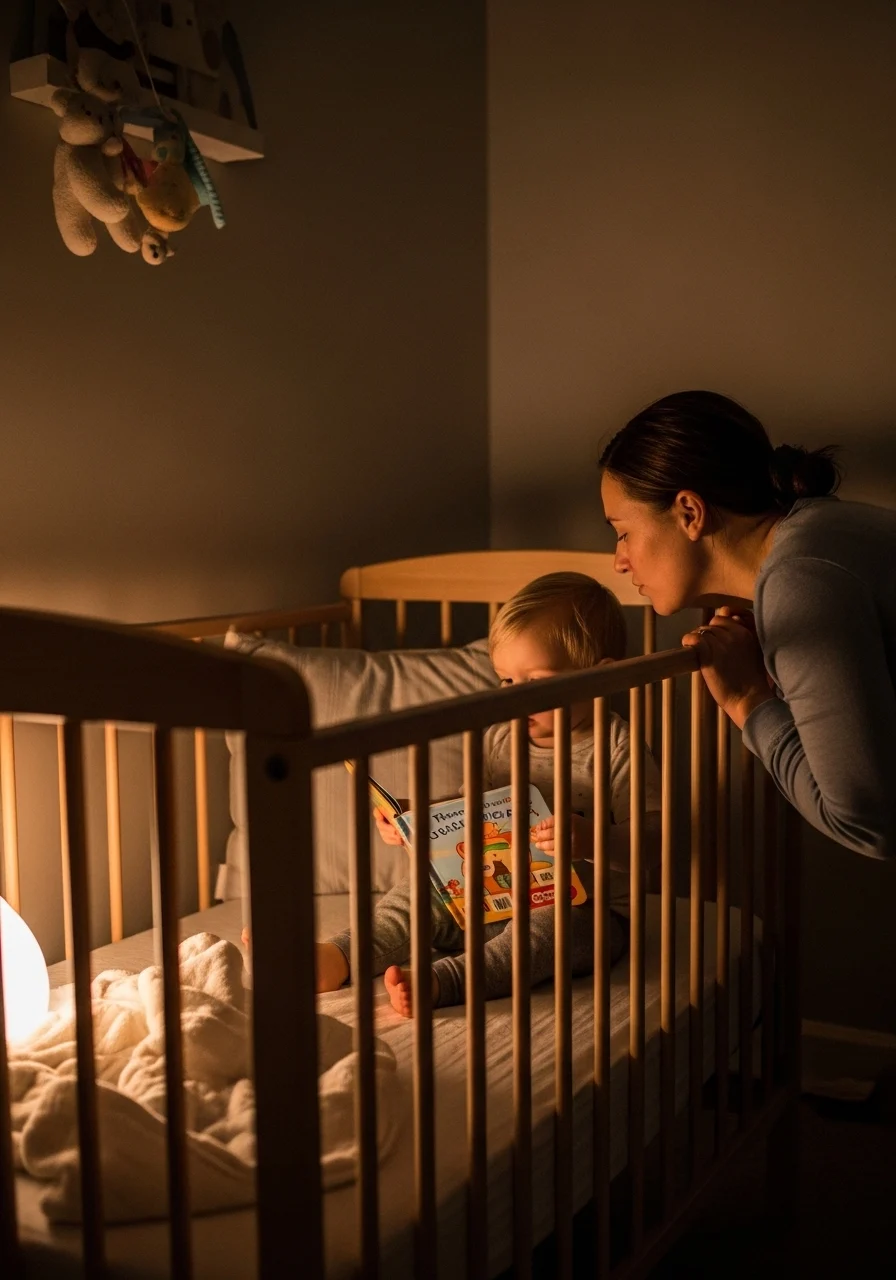
Create a short predictable routine with a bath, pajamas, a story, and a lullaby. Predictable routines help toddlers transition to sleep and make your evenings smoother. Consistency supports emotional security and helps you plan quiet time for recovery or rest. Keep steps calm and brief.
Why This Works
- Builds predictable cues for sleep readiness
- Supports emotional security and attachment
- Reduces bedtime battles with consistency
- Gives you a reliable evening rhythm
Quick Tips
- Keep routine under 20 minutes
- Use the same bedtime spot and order
- Dim lights to signal sleep time
- Choose one calming story and one lullaby
- Adjust timing as naps change
These 19 activities for 2 year olds at home are designed to fit real parenting days. They balance active play with calming moments and support development in small, manageable steps. Pin or save this list so you can pull up a quick idea when you need a moment of calm or a focused play session. Which one will you try first tonight with your little explorer?