
When a baby is born, many mothers expect joy, relief, and love. Yet for some, after birth, a strong anger arises that feels unfamiliar. This is often called postpartum rage.
Postpartum rage means you feel intense anger, irritability, or even aggression in the weeks or months after childbirth. It can feel like you have a short fuse, or that small things set you off easily. It’s not your fault. Many factors combine to cause it.
Postpartum rage is not the same as postpartum depression, though they can occur together. You can feel rage even without sadness or crying. And rage can be a signal that your emotions or needs are pushed too far.
What Causes Postpartum Rage?
There is no single cause. Rather, several risk factors and triggers combine to produce postpartum rage. Understanding these can help you make sense of your emotions.
Hormonal changes
After childbirth, hormone levels (like estrogen and progesterone) drop quickly. This sudden shift can affect mood regulation and emotional stability.

Sleep deprivation & exhaustion
Newborns need frequent care. Lack of sleep weakens your ability to regulate emotions. Being constantly tired makes anger more likely.

Overload of responsibilities
Becoming a parent brings new roles overnight: feeding, diapers, scheduling, and more. When demands far exceed your resources, stress builds up.

Unmet emotional or physical needs
If your needs (for rest, validation, support, personal time) are ignored, resentment may grow and foster rage.
Past mental health issues
If you had depression or anxiety before, you might feel postpartum rage after your baby is born. Discrepancy between expectations and reality
Sometimes people expect motherhood will be blissful. When reality is far harder, the emotional mismatch can lead to frustration and anger.
Lack of social support
Low support from a partner, family or community means you’ll handle more alone, increasing the chance of emotional breakdown.

Why Postpartum Rage Matters
- It can harm relationships (with partners, children, extended family).
- It may interfere with bonding with the baby.
- It can lead to guilt, shame, and isolation if unaddressed.
- It may signal a deeper postpartum mood disorder (depression, anxiety).
- Getting help early can shorten the time it affects you and improve your well-being.
Tips to Manage Postpartum Rage
Here are practical strategies to help you cope, reduce the intensity, and move toward healing. Use what fits your life. Always work with your healthcare provider if things feel out of control.
Acknowledge and validate your feelings
Remind yourself: your feelings are not shameful. Postpartum rage is a known phenomenon. You are not alone.
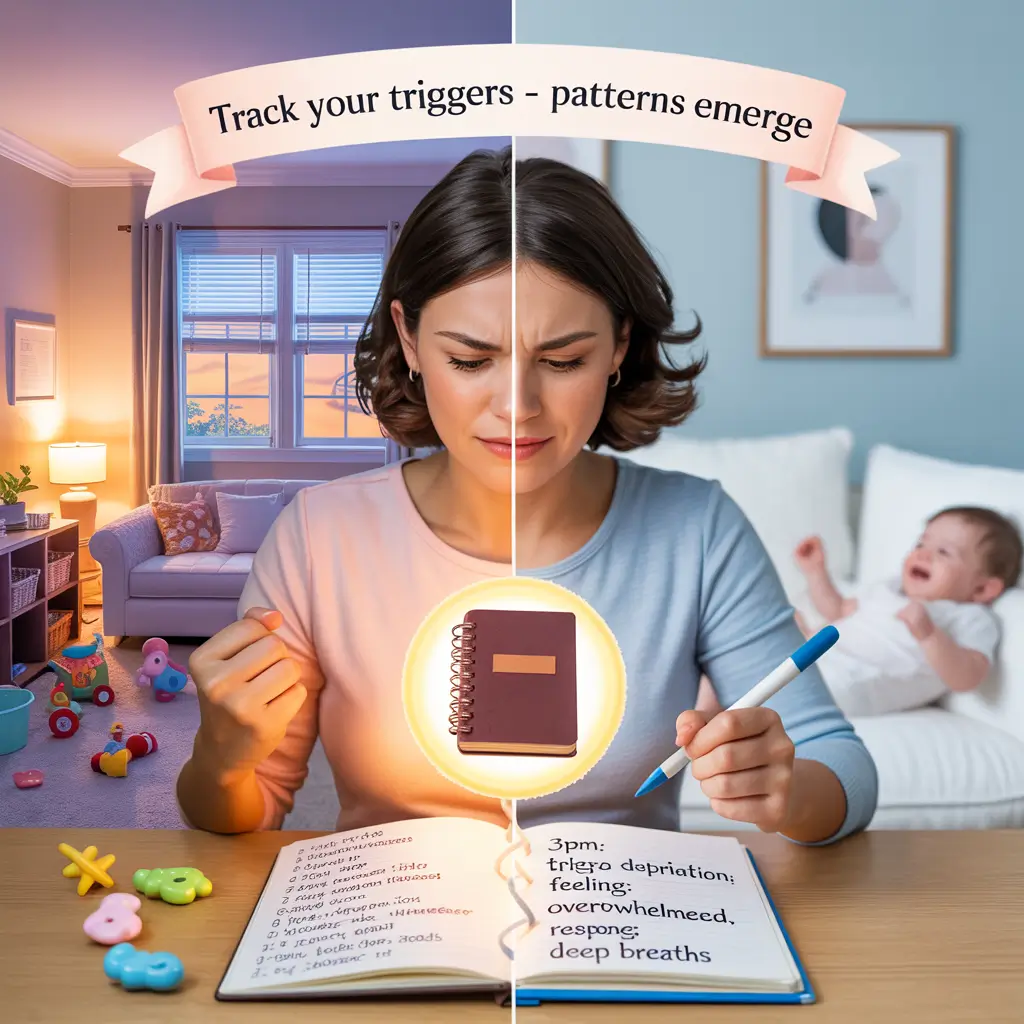
Track your triggers
Keep a simple journal. Note when a rage episode starts, what led up to it, how you felt, and how you responded. Patterns emerge.
Use grounding or calming techniques
- Deep breathing (counting breaths)
- Progressive muscle relaxation
- Move your body short walk, stretch
- Scream or release sounds into a pillow
- Use physical release (e.g. squeeze a stress ball) These help interrupt the anger cycle.
Prioritize rest and sleep
Even small naps help. Ask for help so you can rest. Sleep is crucial to emotional regulation.
Delegate & accept support
You don’t have to do everything. Ask your partner, relatives, or friends to help with chores or baby care. Accept offers.
Talk to someone
Share with someone you trust, partner, friend, or support group. You don’t have to face this alone.

Use professional help
- Therapy helps you find what makes you angry and teaches you to stay calm.
- Doctors may give antidepressants, like SSRIs, to help calm intense feelings.
- Support groups let moms share experiences and feel less alone.
Build small pockets of self care
- Even 5 to 10 minutes a day for something you enjoy (reading, warm drink, quiet)
- Mindfulness or meditation practices
- Gentle movement (light exercise, walking)
- Nourishing food and hydration
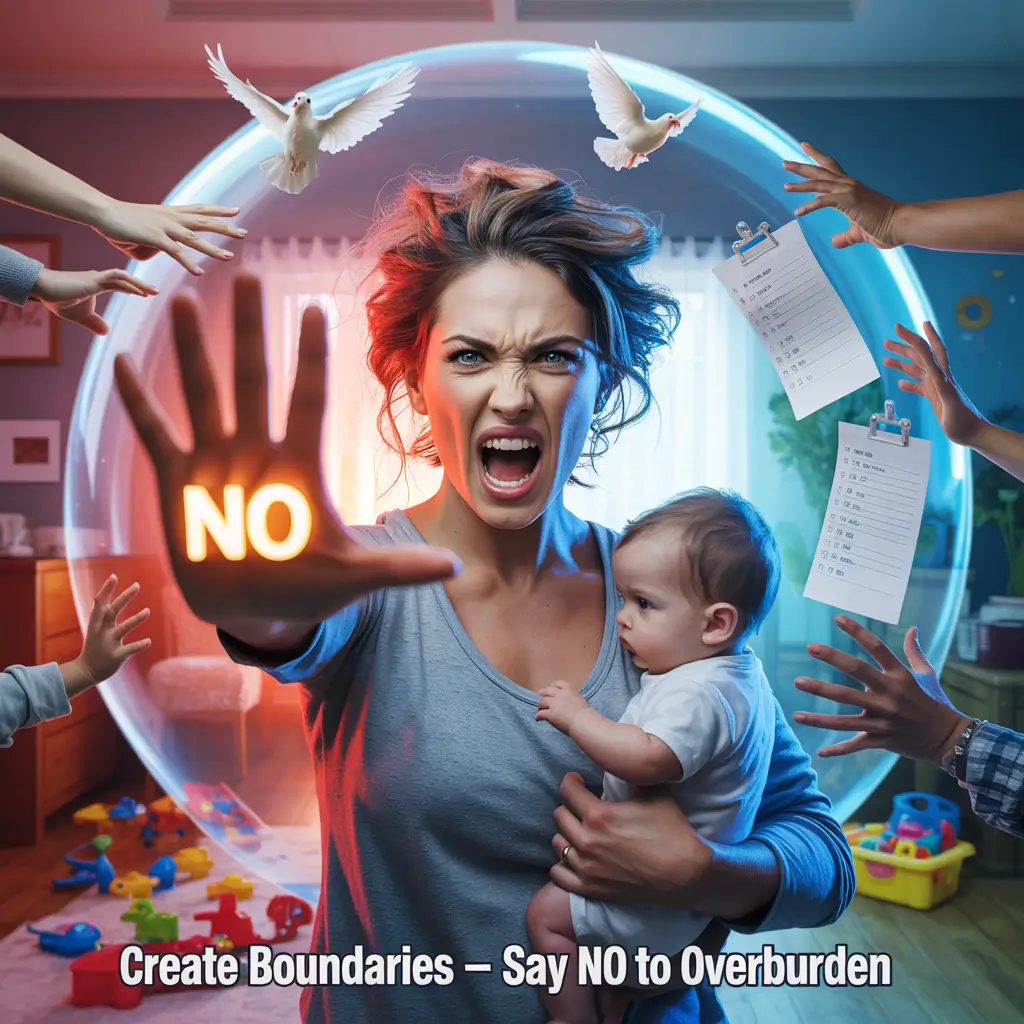
Create boundaries
Say “no” to tasks or people that overburden you. Protect your mental space.
Revisit expectations
Motherhood isn’t perfect. It’s okay to mess up, ask for help, and know you’re doing your best.
Symptoms & Signs of Postpartum Rage
Every person’s experience is different. But there are common signs to watch for. If you see many of them, it may be postpartum rage.
- Snap reactions: flying into anger over small things
- Yelling, swearing, or screaming more than usual
- Throwing or hitting objects (like slamming doors, punching a pillow)
- Feelings of being “on edge,” irritable, frustrated easily
- Dwelling on the anger, replaying what upset you
- Physical signs: tension in body, rapid heartbeat, flushed face
- Guilt or shame after an outburst (“I shouldn’t have done that”)
- Difficulty calming down once anger starts
- Possible overlap with depression or anxiety (feeling low, anxious, withdrawn)
If any of these symptoms feel like they’re happening to you often, it’s worth paying attention and seeking help.
When to Seek Immediate Help
If any of the following occur, seek professional help right away:
- Thoughts of harming yourself or your baby
- Persistent rage that you can’t control
- Feeling detached, numb, or fantasizing about escape
- Intense guilt, shame, or suicidal ideation
These are serious and deserve urgent care.
Common Questions About Postpartum Rage
Final Thoughts on Postpartum Rage
Postpartum rage is tough, but you can get through it. It is a sign your body needs care. With tips like tracking triggers and getting support, you can feel better. Remember, many moms face this. You are strong and doing your best. Talk to someone today. Your family deserves a happy you.